Interwine Guide for First-Time International Visitors
A strategic, operational guide for international wine and spirits importers, buyers, and distributors attending Interwine in Guangzhou for the first time.
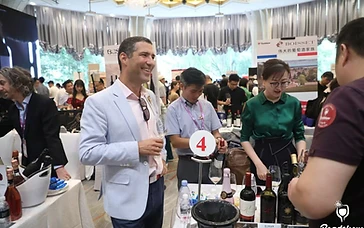
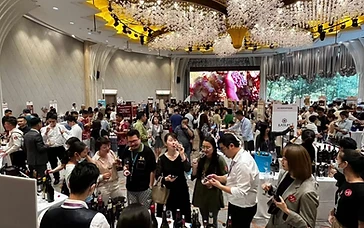
For international wine and spirits importers, distributors, category managers, and trade buyers visiting mainland China, navigating the country's complex beverage landscape requires disciplined operational planning. As China’s longest-running dedicated B2B alcoholic beverage platform, Interwine takes place biannually in Guangzhou—the commercial center of Guangdong Province, which represents an economic engine with a population exceeding 110 million according to trade market analysis reported by Beverage Trade Network (2024). First-time international visitors must approach this commercial gateway with a clear operational framework to turn floor visits into sustainable trade partnerships.
Whether you are sourcing new regional labels, assessing market pricing, or meeting domestic wholesale partners, this guide provides the foundational intelligence required to execute an efficient, high-return business visit to Interwine.
Understanding the Strategic Context: The South China Gateway
Mainland China remains a critical consumer market in Asia. According to Beverage Trade Network (2024), approximately 82% of China's population falls within the prime working and consuming age bracket of 15 to 64 years, creating sustained long-term demand for imported wines, craft spirits, and niche alcoholic beverages.
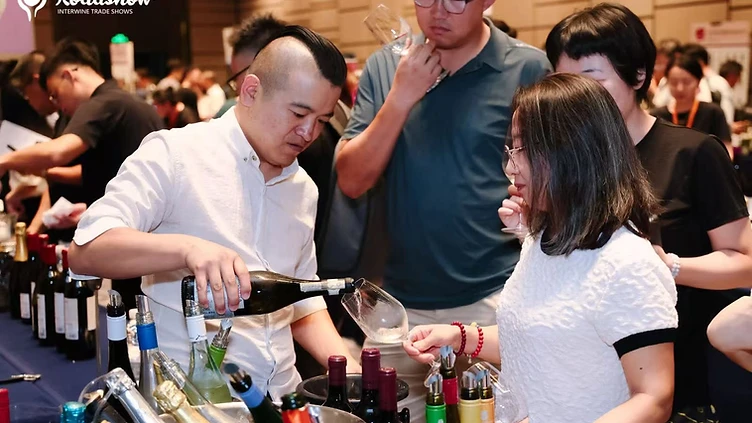
Guangdong Province serves as an operational base for the Greater Bay Area, linking Guangzhou directly with Shenzhen, Hong Kong, and Macau. Organizing your visit around Interwine provides direct access to domestic tier-one distributors, regional tier-two sub-dealers, national retail chain procurement teams, and hotel/restaurant/café (HoReCa) hospitality buyers who converge on Guangzhou to finalize seasonal contracts. Before stepping onto the show floor, visitors can check out current commercial trends via Market Insights to gauge ongoing product consumption shifts.
Venue Operations and Ground Logistics in Guangzhou
Interwine editions are predominantly hosted at premier exhibition complexes in Guangzhou, including the Poly World Trade Center (PWTC) Expo and the adjacent Canton Fair Complex in Pazhou, as documented in the Interwine Exhibitor Manual and confirmed by Global Trade Fairs (2026). First-time international visitors must plan their logistical footprint around the Pazhou trade cluster.
Transit and Daily Commuting
Guangzhou’s public transport infrastructure is exceptionally efficient for business visitors:
- Metro Access: Pazhou Station and Xingangdong Station on Guangzhou Metro Line 8 deliver direct access to the concourses of PWTC Expo and the Canton Fair Complex.
- High-Speed Rail: For visitors traveling via Hong Kong, the Guangzhou-Shenzhen-Hong Kong High-Speed Rail connects West Kowloon Station to Guangzhou South or Guangzhou East in approximately 45 to 60 minutes.
- Airport Transfers: Guangzhou Baiyun International Airport (CAN) provides direct connections to Pazhou via Metro Line 3 (North Extension) with a transfer at Tiyu Xilu to Line 8, or approximately 45 to 60 minutes via licensed taxi or rideshare.
Detailed venue transfer arrangements, local ground transit maps, and operational transit links can be reviewed under Arrival and Transportation.
Accommodations and Corporate Stay
Securing logistics near the Pazhou exhibition hub prevents unnecessary transit delays during morning opening hours. Corporate attendees should book accommodations along the Metro Line 8 corridor or near the Zhujiang New Town central business district (CBD). Review pre-negotiated corporate rates and trade-block bookings through Hotel Accommodation.
Visa Formalities, Business Matching, and Pre-Fair Preparation
International travel to mainland China requires strict compliance with border regulations and document controls.
Phase 1 (Weeks 8–10): Register Visit -> Request Invitation Letter -> Initiate Visa Application
Phase 2 (Weeks 4–6): Review Exhibitor Directory -> Schedule B2B Matching Sessions
Phase 3 (Weeks 1–2): Download Essential China Apps -> Finalize On-Site Meeting Agenda
1. Business Visa (M-Visa) and Invitation Letters
Foreign passport holders not covered by active mutual visa exemption treaties must secure a standard Business Trade Visa (M-Visa). Chinese consular offices typically require a formal exhibition invitation letter from the licensed host organization. You can file for official trade documentation via Invitation Letter and Visa Support as soon as your travel dates are set.
2. Identifying Exhibitors in Advance
With several hundred exhibiting wineries, distilleries, regional consortia, and national pavilions participating across tens of thousands of square meters, unguided walk-throughs result in wasted time. Importers should utilize the Exhibitor Directory to pre-screen producers across Old World appellations, New World estates, and niche spirits brands before traveling.
3. Prescheduling Commercial Sessions
As highlighted in procurement guidance by BestWineImporters (2026), serious buyers and brand representatives should finalize structured meetings 6 to 10 weeks prior to exhibition opening. Target between 10 and 20 confirmed, pre-qualified appointments rather than relying on chance walk-ups. Visitors seeking dedicated support can arrange curated meeting sessions via Business Matching.
Digital Infrastructure and Payment Preparation
China operates on a cashless, app-integrated commercial infrastructure. International credit cards are not universally accepted at off-site dining establishments, subways, or retail venues. First-time visitors should complete the following digital setup prior to arrival:
- Digital Payments (WeChat Pay & Alipay): Download both WeChat and Alipay apps on your mobile device. Bind your international Visa, Mastercard, or digital corporate credit card to both services to enable seamless QR-code payment for transport, dining, and logistics.
- Commercial Communication: WeChat functions as the standard operating platform for B2B communications across China's beverage trade. Exchanging corporate WeChat contact cards has largely superseded traditional printed paper business cards for daily buyer-seller correspondence.
- Roaming and Connectivity: Verify roaming packages with your domestic telecommunications carrier or secure an international enterprise eSIM that preserves continuous connection to communication tools and internal company enterprise servers.
Sourcing Negotiations and Regulatory Reality Checks
Securing wholesale terms or exploring regional distribution at Interwine requires an understanding of Chinese customs standards and compliance procedures.
GACC Producer Registration
Under Decree 248 and 249 of the General Administration of Customs of the People's Republic of China (GACC), all overseas food and alcoholic beverage manufacturing and processing facilities must hold valid registration in the China Import Food Enterprise Registration system prior to customs clearance. When negotiating with international wineries or novel brands on the exhibition floor, ensure the supplier possesses an active GACC registration number to avoid costly clearance delays.
Chinese Back-Label Compliance
Commercial wines entering the mainland retail or wholesale channel must comply with National Food Safety Standards, including GB 7718 (Prepackaged Food Labeling) and GB 2758 (Fermented Alcoholic Beverages). Mandatory Chinese back labels must declare exact alcoholic strength, ingredient statements (including sulfur dioxide declarations), bottling date, distributor name, and Chinese safety warnings. Importers must incorporate label layout and review timelines into their supplier contracts.
Incoterms and Delivery Structures
Most international producers present on the show floor offer pricing based on FOB (Free On Board) shipping port of origin or CIF (Cost, Insurance, and Freight) major Chinese ports (e.g., Huangpu, Nansha, or Shenzhen). Clarify whether distributor margin calculations are predicated on Ex-Cellar, Bonded Warehouse Transfer, or DDP (Delivered Duty Paid) clearing terms before drafting memorandums of understanding.
Maximizing On-Site Event Participation
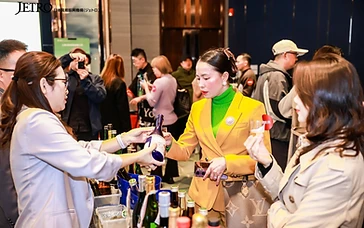
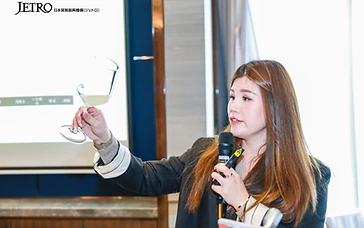
Beyond bilateral booth negotiations, Interwine runs concurrent industry forums, masterclasses, and national tasting pavilions. The show hosts competitive evaluation programs, including collaborations such as the China Wine Competition partnership reported by Beverage Trade Network (2024).
Review the daily timetable of formal ceremonies, keynote tastings, and region-specific panels at Interwine Events. Engaging with these masterclasses allows trade buyers to assess sensory profiles tailored for regional palates and evaluate which varietals are currently gaining retail distribution traction.
Post-Event Protocol: Converting Floor Meetings into Contracts
Trade research from BestWineImporters (2026) underlines that post-event conversion depends on structured follow-up within 72 hours of show completion.
- Consolidate Meeting Notes on WeChat and Email: Message newly met suppliers and clients immediately, referencing the specific wine lots, vintages, or volume requirements discussed at the booth.
- Verify Sample Logistics: Arrange formal sample shipments through temperature-controlled channels if additional sensory evaluations are required by your procurement committee.
- Audit Compliance Profiles: Request proof of registration documentation, analytical lab certificates, and trademark filings within China's National Intellectual Property Administration (CNIPA) to protect exclusive rights before signing distribution accords.
To begin planning your logistics, badge registration, and on-site scheduling for the upcoming edition, visit Book Your Visit.
Sources
- Beverage Trade Network (2024), China Wine Competition Partners With Interwine China, https://beveragetradenetwork.com/en/events/wine-77/china-wine-competition-partners-with-interwine-china-1727.htm
- BestWineImporters (2026), Interwine China 2026 Trade Event Overview, https://www.bestwineimporters.com/resources/wine-trade-fairs/interwine-china
- Global Trade Fairs (2026), Interwine Autumn Guangzhou Event Profile, https://globaltradefairs.com
- Interwine China Secretariat (n.d.), Interwine Exhibitor Manual & Venue Information, https://china2ceec.org
Key Takeaways
- —Interwine operates biannually in Guangzhou, providing direct commercial access to the Greater Bay Area and South China's 110M+ consumer market.
- —First-time visitors must initiate business visa (M-Visa) documentation and invitation letter requests 8–10 weeks prior to travel.
- —Pazhou is the primary exhibition hub, accessible via Guangzhou Metro Line 8 and nearby high-speed rail lines connecting to Hong Kong.
- —All imported beverage brands sourced must comply with GACC overseas manufacturer registration (Decrees 248/249) and national GB labeling standards.
- —Setting up local payment platforms (Alipay/WeChat Pay) and communication tools prior to arrival is mandatory for seamless business interactions.
Frequently Asked Questions
Where does Interwine take place and how do I access the venue?
Interwine is held at major exhibition venues in the Pazhou district of Guangzhou, primarily the Poly World Trade Center (PWTC) Expo or the Canton Fair Complex. The venues are directly connected to Pazhou Station and Xingangdong Station on Guangzhou Metro Line 8.
How far in advance should international buyers begin preparation?
Preparation should begin 8 to 10 weeks before the exhibition dates. This window ensures adequate time to secure an official corporate invitation letter, complete the Chinese business visa (M-Visa) application, review the exhibitor catalog, and preschedule 10 to 20 qualified commercial appointments.
What regulatory documentation should I check when meeting new wine suppliers?
Verify that foreign production facilities hold an active registration code with the General Administration of Customs of China (GACC) under Decrees 248 and 249. Inquire whether their product formulation and packaging align with Chinese National Standards (GB 7718 and GB 2758) for back-label compliance.
Do I need WeChat or mobile payment apps to do business at the fair?
Yes. WeChat serves as the primary business communication platform across the Chinese trade sector, replacing conventional business cards. Linking an international credit card to Alipay or WeChat Pay is strongly recommended for local transport, meals, and day-to-day transactions.
Can I obtain visa invitation letters directly through Interwine?
Registered professional attendees and buyers can request an official corporate invitation letter through the event's visitor services desk to support their M-Visa application at local Chinese embassies or consulates.