How Wine Brands Can Find Distributors in Thailand
Discover how international wine brands can navigate regulatory reforms, identify qualified partners, and successfully find wine distributors in Thailand.
To find wine distributors in Thailand, international producers must adapt to recent structural reforms—notably the abolition of the sole importer rule under Ministerial Regulation No. 3 and the 2024 elimination of baseline import duties—while vetting partners across on-premise luxury hospitality, modern trade retail, and cold-chain compliance.
Southeast Asia has emerged as one of the world's most dynamic alcoholic beverage corridors. As reported by Source of Asia in their 2026 regional market assessment, the ASEAN total alcohol beverage market is projected to reach $19.05 billion USD by 2034, driven by a growing middle class, strong luxury urbanization, and aggressive tourism recovery. Thailand sits at the center of this premiumization wave. Following the Thai government's landmark 2024 tax reforms, which restructured domestic alcohol excise taxes and abolished standard customs import duties on wine to boost high-end tourism, trade dynamics shifted dramatically. In July 2026, the USDA Foreign Agricultural Service reported that U.S. wine exports to Thailand jumped 25% year-on-year in 2025 to reach $14 million, reflecting strong demand across hotel and dining establishments.
Yet, penetrating this market requires a tactical understanding of local trade structures. Distributors in Bangkok do not simply act as delivery trucks; they serve as critical regulatory gatekeepers, duty financiers, and brand guardians in an advertising-restricted environment.
The New Regulatory Paradigm: De-Monopolization and Compliance
For decades, foreign wineries seeking Thai distribution had to assign exclusive power of attorney to a single licensed entity under the domestic "sole agent" framework. This changed permanently in early 2026. Under the Ministry of Finance's Ministerial Regulation on the Importation of Alcoholic Beverages (No. 3) 2026 enacted on March 27, 2026, and subsequent notifications from the Excise Department reported by Vinetur and legal firm Tilleke & Gibbins, Thailand officially ended the sole importer requirement for grape-based and sparkling wine.
This deregulation allows multiple licensed importers to import and distribute the same wine label simultaneously. For international brands, this legislative shift carries two distinct commercial implications:
- Diminished Importer Monopoly: Brands are no longer legally handcuffed to an underperforming importer who holds exclusive trademark clearance without delivering volume or shelf presence.
- Margin and Gray-Market Vulnerability: Without sole exclusivity, unmonitored commercial agreements can result in price erosion if competing distributors undercut each other across hypermarkets or regional resort clusters.
To safeguard your winery's positioning, commercial distribution contracts must stipulate territory boundaries, channel segregation (such as assigning one partner exclusively to five-star On-Premise hospitality and another to Off-Premise retail), and minimum retail price hygiene. Review regional market data and tariff updates via our Market Insights to keep cross-border compliance strategies aligned with evolving Southeast Asian standards.
Understanding the Three Core Distribution Channels
Identifying the right distributor begins with selecting the appropriate route-to-market. Thailand’s alcohol market does not operate as a single homogeneous trade block; buyers fall into three distinct tiers:
1. High-End HoReCa (Hotels, Restaurants, Cafes)
Thailand welcomes tens of millions of international tourists annually, anchoring a world-class hospitality sector in Bangkok, Phuket, Koh Samui, and Chiang Mai. Boutique family wineries, certified organic producers, and Old World appellations generally find their strongest margins here. Distributors specializing in this segment focus on sommelier training, bespoke wine-by-the-glass (BTG) programs, and luxury resort cellars. They require consistent temperature-controlled logistics and small-batch deliveries rather than massive bonded warehouse footprints.
2. Modern Trade and Specialized Retail
Major supermarket chains such as Tops Food Hall, Gourmet Market, Villa Market, and specialized retail chains dominate retail bottle sales. Distributors targeting these channels must have substantial working capital. Modern trade in Thailand commands significant listing fees, promotional shelf-space charges, and long payment terms (often 60 to 90 days). Brands entering this space need scalable production, recognizable varietal labeling, and competitive entry-level pricing.
3. Upcountry and Regional Sub-Wholesale
Outside Bangkok and primary tourist hubs, domestic distribution relies on deep regional wholesale networks. These operations trade largely in commercial entry-tier wines, fruit wines, and domestic spirits. For premium international estates, dealing with provincial sub-wholesalers directly is rarely effective without a central Bangkok-based master importer coordinating bonded warehousing.
Practical Steps: Sourcing and Vetting Thai Wine Distributors
Finding a trustworthy partner requires moving beyond blind email pitching. Seasoned importers receive dozens of unsolicited catalog sheets weekly. Executing a structured commercial search minimizes capital risk.
Conduct Tiered Due Diligence
When screening prospective distribution partners, wineries must look beyond glamorous portfolio catalogs and evaluate operational mechanics:
- Cold-Chain Infrastructure: Thailand experiences average temperatures exceeding 30°C with high humidity year-round. An importer lacking dedicated climate-controlled storage and refrigerated delivery transport will ruin pallet shipments within weeks. Always demand visual verification of their bonded, climate-controlled warehousing facilities.
- Excise and FDA Licensing Fluency: The Thai Food and Drug Administration (FDA) and Excise Department require strict bottle registration, approved Thai-language secondary back labels, and mandatory chemical and laboratory analysis before clearance. Ensure the partner manages back-label registrations in-house.
- Portfolio Synergy: Analyze who else is in their portfolio. A distributor carrying direct competitors at identical price points will inevitably favor incumbent volume. Look for complementary brands that demonstrate an established buyer base without crowding your specific varietal or regional niche.
Leverage Targeted Commercial Matching
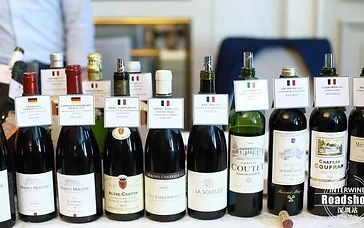
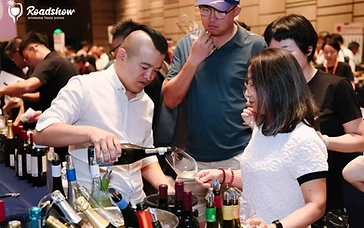
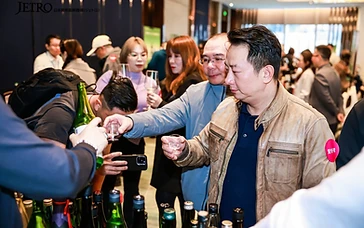
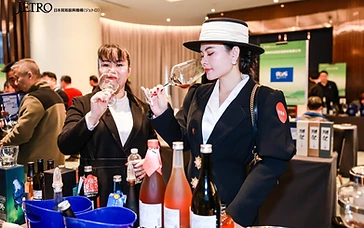
Generic cold outreach rarely works with high-tier Thai buyers who place tremendous value on face-to-face interaction and verified commercial supply chains. Exporters targeting Thailand and greater Asia benefit significantly from structured trade environments. Participating in pre-vetted Business Matching meetings and dedicated regional tradeshows allows brand founders to sit down directly with purchasing directors, certified sommeliers, and licensed import executives who have active buying briefs.
To maximize brand exposure across Asian importer networks, examine options to Become an Exhibitor at pan-Asian trade forums, or register to Book Your Visit to assess the buyer landscape firsthand.
Regulatory Hurdles: Advertising Bans and Timed Sales
Navigating Thailand's distribution environment requires strict operational compliance with domestic regulations that catch many foreign brand owners unprepared:
- Section 32 of the Alcoholic Beverage Control Act (B.E. 2551 / 2008): Thailand enforces rigorous bans on alcohol marketing. The law strictly prohibits the direct display of alcohol logos, brand names, or marketing images that encourage consumption across public spaces, print media, websites, and social channels. Marketing cannot rely on digital consumer advertising; brand building must occur inside trade-only environments, closed tasting masterclasses, educational sommelier workshops, and private distributor activations.
- Strict Retail Sale Windows: Domestic laws restrict the retail sale of alcohol exclusively to two daily windows: 11:00 AM to 2:00 PM, and 5:00 PM to 12:00 AM midnight (with outright trade bans applied during major Buddhist holidays). Importers must structure inventory fulfillment, retail deliveries, and on-premise supply lines strictly around these enforcement schedules.
Commercial Agreement Checkpoints
Before executing a commercial distribution agreement in post-reform Thailand, protect your brand equity with four non-negotiable clauses:
- Sales Performance Hurdles: Because the statutory sole-agent monopoly has been replaced with open import licensing, tie any exclusive commercial privileges to strict quarterly volume and revenue benchmarks.
- Clear Traceability and Batch Auditing: Ensure that every carton imported carries verifiable excise banderols and lot codes to prevent unsanctioned secondary trading between regional territories.
- Joint Promotional Budgets (A&P): Clearly define cost-sharing percentages for distributor-led staff training, private tasting dinners, and sample bottles. Since direct media advertising is illegal, your marketing investment must sit in on-the-ground trade incentives.
Conclusion: Strategic Market Entry
Thailand represents one of the most commercially attractive wine markets in Southeast Asia, pairing a vibrant gastronomy ecosystem with substantial tariff and regulatory modernization. However, successful market entry depends on selecting distributors with verifiable cold-chain capacity, deep on-premise sommelier connections, and seasoned regulatory management. Avoid non-performing agreements, safeguard your distribution across target hospitality channels, and connect directly with vetted regional distributors who can deliver sustainable commercial volume.
Sources
- USDA Foreign Agricultural Service, GAIN Report TH2026-0022: Thailand: Growing Wine Market - Opportunities for US Exporters (2026), https://www.fas.usda.gov/data/gain/2026/07/thailand-growing-wine-market-opportunities-us-exporters
- Vinetur, Thailand Ends Sole Importer Rule for Wine (May 2026), https://www.vinetur.com/en/20260508100423/thailand-ends-sole-importer-rule-for-wine.html
- Tilleke & Gibbins, Thailand Waives Sole Agent Requirement for Wine Imports (May 2026), https://www.tilleke.com/insights/thailand-waives-sole-agent-requirement-for-wine-imports/8/
- Source of Asia, Vietnam vs Singapore vs Thailand: Where Should Wine & Spirits Brands Expand First in ASEAN? (May 2026), https://www.sourceofasia.com/wine-spirits-asean-vietnam-singapore-thailand/
- BestWineImporters, Wine Importers and Wine Import Trends in Thailand 2024 (2024), https://www.bestwineimporters.com/blog/wine-importers/wine-importers-and-wine-import-trends-in-thailand-2024
Key Takeaways
- —Thailand eliminated the sole importer requirement for wine in 2026, enabling multiple licensed distributors to handle the same brand and ending distributor exclusivity monopolies.
- —Import duties were eliminated in 2024 as part of broader tourism and excise reforms, sparking double-digit import growth across premium categories.
- —Section 32 of Thailand's Alcoholic Beverage Control Act strictly prohibits consumer-facing alcohol advertising, making distributor relationships and sommelier-led education essential.
- —Cold-chain infrastructure is a vital vetting criterion for wine brands entering Thailand due to year-round tropical heat exceeding 30°C.
- —Brand owners should segregate distribution by channel (luxury on-premise hospitality vs. modern trade retail) to maintain pricing integrity and prevent cross-channel margin erosion.
Frequently Asked Questions
Can multiple importers now distribute the same wine brand in Thailand?
Yes. Following the enactment of the Ministerial Regulation on the Importation of Alcoholic Beverages (No. 3) 2026 by the Ministry of Finance, Thailand officially waived the mandatory sole importer requirement for grape-based and sparkling wines. Multiple licensed importers can legally import and sell the same brand, making performance-based distributor contracts essential.
How are wine import duties and taxes structured in Thailand?
In 2024, the Thai government eliminated baseline customs import tariffs on wine to stimulate hospitality and luxury tourism. However, imported wines remain subject to domestic excise taxes managed by the Excise Department, local municipal and health surcharges, and a 7% Value Added Tax (VAT), which are calculated based on alcohol volume and suggested retail price.
How does Thailand's alcohol advertising ban affect wine marketing?
Under Section 32 of the Alcoholic Beverage Control Act B.E. 2551 (2008), direct advertising, display of bottle logos, and promotional language encouraging consumption are strictly illegal across public, print, and online channels. As a result, marketing must rely on private trade tastings, sommelier education, wine-by-the-glass hotel programs, and distributor point-of-sale relationships.
What is the best route to vet a Thai wine distributor's logistics?
Producers should require direct documentation of the importer's cold-chain infrastructure, including climate-controlled bonded storage facilities and temperature-controlled delivery vans. Thailand's year-round ambient temperatures exceed 30°C, meaning non-refrigerated transit can compromise wine quality within days.
What retail selling time restrictions exist for wine in Thailand?
Thailand restricts legal alcohol retail sales to two daily windows: 11:00 AM to 2:00 PM, and 5:00 PM to midnight. Retail sales are prohibited outside these hours and entirely banned during designated national Buddhist holidays, which influences inventory turnaround and delivery scheduling.