How to Navigate the Interwine Exhibition Floor
Master the Interwine trade fair floor with a structured commercial roadmap covering pre-event sourcing filters, pavilion navigation, palate management, and supplier contract evaluation.
To successfully navigate the Interwine exhibition floor, professional buyers, importers, and international visitors must approach the venue with a structured commercial sourcing framework. Instead of wandering aisles haphazardly, qualified attendees treat the layout as an organized procurement pipeline: pre-filtering producers by distribution footprint, sequencing tasting routes by varietal and body, clustering high-value meetings geographically within the complex, and executing strict contract vetting right at the booth.
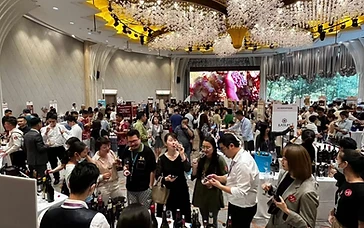
Interwine China—held across tens of thousands of square meters at prime venues such as the China Import and Export Fair Pazhou Complex in Guangzhou—hosts hundreds of international wine and spirits exhibitors alongside thousands of commercial buyers. Navigating a B2B trade fair of this magnitude requires strict time management, rigorous verification of commercial terms, and tactical floor movement.
Understanding the Interwine Floor Architecture
The Interwine exhibition layout is systematically zoned to mirror global supply chains and regional Chinese trade demand. Understanding how the floor is arranged prevents physical fatigue and lost commercial hours.
National and Regional Pavilions
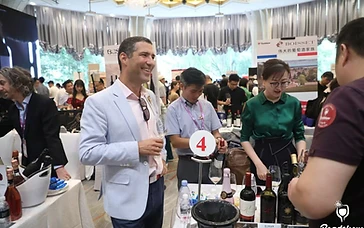
National trade bodies, export promotion agencies, and regional consortiums anchor large sections of the exhibition floor. Delegations representing major Old World and New World producing regions—such as France, Spain, Italy, Chile, and South Africa—cluster producers under unified geographic pavilions. Visiting these zones offers high commercial density: within a single aisle, you can evaluate 15 to 30 estates sharing the same logistical origin, making consolidated shipping or multi-estate agency representation straightforward.
Category-Specific Zones
Beyond national boundaries, Interwine zones floor segments by product category:
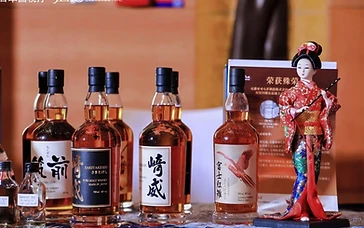
- Spirits and Craft Distillates: Brandy, Cognac, Single Malt Whiskies, and artisanal spirits.
- Bulk Wine and Private Label Services: Geared towards national distributors requiring high-volume original equipment manufacturing (OEM) and custom bottling.
- Boutique and Fine Wine Enclaves: Dedicated to small-production allocations, organic, biodynamic, and estate-bottled selections suited for on-premise (horeca) channels and boutique retail.
Navigating these clusters requires cross-referencing your company's immediate portfolio gaps against the official Exhibitor Directory before you step onto the show floor.
Phase 1: Pre-Show Floor Reconnaissance (Weeks 1 to 4)
Navigating the hall effectively begins weeks before arriving on-site. The greatest risk to sourcing efficiency is arriving without a verified target list.
Filter Exhibitors by Commercial Capacity
Not every producer with an attractive display possesses the regulatory or logistical capability to supply your specific trade channel. Importers operating in mainland China or regional Asian hubs need to verify baseline requirements early:
- China Customs Registration (GACC): Confirm that overseas wineries possess active Decree 248 General Administration of Customs of China (GACC) facility registrations. Without active registration, commercial clearance is impossible.
- Minimum Order Quantities (MOQs): Distinguish producers demanding full-container-load (FCL) shipments from those offering mixed pallets via bonded warehouses.
- Exclusivity Clauses: Verify whether the winery already has provincial or regional distribution contracts in your operating territory.
Cluster Appointments by Hall and Aisle
Booking meetings on opposite sides of a 50,000-square-meter facility creates dead transit time. When using the Business Matching system, group your targeted conversations by pavilion or aisle. Reserve morning blocks for detailed commercial discussions and allocate afternoons for exploratory tasting sweeps.
If you have not registered your attendance, finalize credentials through Book Your Visit to gain early access to digital floor plans and scheduling tools.
Phase 2: Tactical Floor Navigation During the Fair
Once badges are collected, executing your floor strategy requires physical and operational discipline.
+-------------------------------------------------------------+
|              DAILY SOURCING EXECUTION TIMELINE              |
+-------------------------------------------------------------+
| 09:30 - 11:30 | High-Priority Pre-Booked Contract Meetings  |
| 11:30 - 13:00 | White, Rosé, Sparkling & Light Red Tastings |
| 13:00 - 14:00 | Low-Sodium Hydration & Off-Floor Lunch      |
| 14:00 - 16:00 | Structured Red Tastings & Masterclasses     |
| 16:00 - 17:30 | Bulk, Spirits, OEM & Ad-Hoc Re-Visits       |
+-------------------------------------------------------------+
1. Optimize the Tasting Sequence to Prevent Sensory Burnout
Palate fatigue directly impairs commercial judgment. Sampling a heavy, oaked Australian Shiraz or high-ester spirit before negotiating a fresh Pinot Grigio distorts perception and valuation.
- Morning Sessions (Light & Acidic): Begin with sparkling wines, high-acid whites, and delicate rosés when olfactory senses are sharpest.
- Midday Sessions (Medium-to-Full Red): Transition to structured red wines (e.g., Bordeaux blends, Tempranillo, Cabernet Sauvignon).
- Late Afternoon (Spirits, Fortified, and Bulk): Schedule distilled spirits, baijiu, fortified wines, or OEM bulk sampling during final floor hours.
- Palate Hygiene: Always spit, drink still ambient-temperature water, and avoid heavily seasoned food at lunch that alters palate neutrality.
2. Move Systematically: The Serpentine Sweep
Avoid cutting diagonally across central avenues where visitor traffic bottlenecks. Use the serpentine navigation method: traverse north-to-south along primary booth aisles, working systematically from outer boutique zones toward the central high-traffic national pavilions. Keep a printed or offline-saved digital hall plan marked with three priority categories: Tier-1 (Mandatory Meetings), Tier-2 (Evaluative Tastings), and Tier-3 (Opportunistic Walk-Ins).
3. Coordinate Masterclasses and Forum Timelines
Interwine schedules specialized masterclasses, industry summits, and guided tastings led by prominent sommeliers and Masters of Wine. Balance floor walking with these structured learning sessions by checking the Interwine Events calendar. Masterclasses often showcase flagship labels not poured freely at public booth counters.
Phase 3: At-the-Booth Due Diligence
Meeting a winery representative at their booth requires direct, professional fact-finding. Sourcing errors occur when buyers evaluate sensory attributes without clarifying contractual logistics.
Essential Commercial Inquiries to Ask Every Producer
- Incoterms & Currency: "Are quotes provided EXW (Ex-Works), FOB (Free On Board) designated port, or CIF (Cost, Insurance, and Freight)? What currency governs the contract?"
- Lead Times & Bottling Schedules: "Is vintage stock bottled and ready for immediate customs export, or is order fulfillment tied to upcoming bottling runs?"
- Marketing and Co-Op Support: "What percentage of gross order value is allocated toward domestic masterclasses, point-of-sale materials, sample allowances, or trade tastings?"
- Front-Label & Back-Label Flexibility: "Can export production apply Chinese-compliant back labels at source, or must labeling occur within bonded customs zones?"
Keep digital business cards or a standardized WeChat QR code accessible. Document booth discussions immediately using audio-to-text notes or structured trade-show CRM apps rather than collecting loose brochures that become unmanageable baggage.
Logistics, Entry, and Visitor Practicalities
Navigating the physical environment requires seamless logistics planning outside the hall.
- Venue Transit: Guangzhou's Pazhou Complex is directly accessible via the Guangzhou Metro (Line 8, Pazhou or Xingangdong Stations). When arriving during morning peak hours (09:00–10:00), taking the metro often avoids surface highway congestion.
- International Travel Support: Ensure passport validity and secure early travel documents; international buyers requiring administrative documentation can leverage Invitation Letter and Visa Support.
- Lodging Considerations: Select hotels located along metro corridors or within designated trade shuttle routes to ensure punctual arrivals for early-morning B2B matching sessions.
Floor Risks and Common Pitfalls
| Mistake | Operational Impact | Strategic Solution | | :--- | :--- | :--- | | Unscheduled Floor Walking | 60% of time wasted in transit and small talk | Pre-book 4-6 qualified meetings per day via digital directories | | Late Contract Inquiries | Discovering non-viable export terms after tasting 12 SKUs | Inquire about GACC compliance, pricing, and MOQs before opening bottles | | Sensory Saturation | Substandard commercial selections after tasting 30+ tannic wines | Adhere to spitting protocols; taste whites/sparklings early, reds midday | | Delayed Post-Show Follow-Up | Leads grow cold; competitor distributors secure exclusive rights | Transcribe notes daily; issue RFQs within 5 business days post-fair |
Conclusion: Turn Floor Navigation into Sourcing ROI
Navigating the Interwine exhibition floor like an institutional buyer is an exercise in commercial discipline. By treating the layout as an organized sourcing matrix—segmenting producer types, structuring tasting routes to preserve sensory acuity, and validating import compliance directly at the booth—you eliminate guesswork and secure profitable commercial partnerships.
Plan your exhibition campaign well in advance. Register your credentials, inspect the latest category allocations, and Book Your Visit to optimize your procurement pipeline at the upcoming Interwine edition.
Sources
- General Administration of Customs of the People's Republic of China (GACC): Official Import Food Enterprise Registration Regulations (Decree 248/249), http://english.customs.gov.cn/
- International Organisation of Vine and Wine (OIV): World Wine Production and Trade Structural Reports, https://www.oiv.int/
- Interwine China Official Portal: Trade Fair Platform Organization & Visitor Guidelines, http://www.interwine.org/en
- Best Wine Importers: China Wine Trade Fair Profiles and Importer Directories (2026 Edition), https://www.bestwineimporters.com/resources/wine-trade-fairs/interwine-china
Key Takeaways
- —Navigate the Interwine floor by grouping appointments geographically within national and category-specific pavilions to minimize transit time.
- —Prevent sensory burnout by scheduling sparkling and white wines in the morning, structured reds midday, and spirits or bulk sourcing late afternoon.
- —Verify manufacturer regulatory readiness—including GACC registration status and export MOQs—before conducting extensive sampling.
- —Balance open-floor discovery with pre-scheduled distributor meetings and official masterclasses.
- —Document commercial discussions digitally at the booth to initiate post-show follow-ups within five business days.
Frequently Asked Questions
What is the best way to plan my route across the Interwine floor?
Consult the official exhibitor directory 2 to 4 weeks prior to the event. Cluster your target suppliers by hall, pavilion, and aisle, scheduling high-priority distributor meetings in the morning and leaving afternoons for targeted geographic exploration.
How do I avoid palate fatigue while sampling dozens of wines daily?
Follow a strict tasting hierarchy: begin with sparkling, crisp white, and rosé wines in the morning, transition to medium- and full-bodied reds midday, and evaluate high-proof spirits or fortified wines in the late afternoon. Always spit samples and stay thoroughly hydrated with still water.
What regulatory items should I verify with overseas wineries at the booth?
Importers should confirm that overseas wineries possess active Decree 248 facility registration with the General Administration of Customs of China (GACC), establish whether pricing is quoted Ex-Works or CIF, and clarify minimum order requirements.
How accessible is the Interwine exhibition venue via public transit?
Interwine takes place at major convention centers such as the China Import and Export Fair Pazhou Complex in Guangzhou, which connects directly to Guangzhou Metro Line 8 via Xingangdong and Pazhou stations, offering fast transit that avoids road traffic.
Can I attend educational masterclasses while managing floor meetings?
Yes. Review the official events schedule ahead of time to book masterclasses that complement your portfolio needs, factoring in travel time between tasting theaters and exhibitor booths.