Wine Market and Trade Opportunities in Suzhou
Discover how wineries and regional distribution teams can capitalize on the affluent wine market and trade opportunities in Suzhou, Jiangsu Province, through targeted B2B distribution strategies.
For overseas wineries and commercial brand managers entering the Yangtze River Delta, the wine market and trade opportunities in Suzhou represent one of China's most lucrative yet strategically nuanced commercial landscapes. Located less than 30 minutes by high-speed rail from Shanghai, Suzhou is often mischaracterized as a mere spillover market. In reality, with a population exceeding 12 million and a municipal GDP surpassing RMB 2.4 trillion, this Jiangsu economic powerhouse commands exceptional private purchasing power, high corporate entertainment budgets, and an increasingly sophisticated class of wine consumers.
Navigating Suzhou requires wine producers and regional distribution teams to look beyond conventional coastal Tier-1 playbooks. Success depends on aligning product portfolios with local consumption habits—from private banqueting and elite manufacturing corporate gifts to casual dining across the Suzhou Industrial Park (SIP)—while building structured B2B distribution alliances that prevent stock stagnation.
Economic Profile and Consumer Demographics in Suzhou
To grasp the scale of the wine market and trade opportunities in Suzhou, foreign exporters must examine the local consumer profile. Unlike speculative retail regions, Suzhou's demand is driven by stable, affluent corporate and professional demographics.
According to an extensive consumer survey conducted by HKTDC Research across leading mainland consumption hubs, 61% of polled wine consumers in Suzhou held undergraduate degrees, and 31% occupied corporate middle-management positions, with another 20% working as specialized professionals (such as engineers, attorneys, and financial consultants). Furthermore, 80% of wine consumers in the city were married with children, representing a mature demographic that values genuine provenance, health benefits, and premium gifting credentials over entry-level novelty.
While first-tier cities like Shanghai lead in experimental low-intervention, natural, and niche orange wines, Suzhou's volume is anchored by prestigious regional credentials and culinary compatibility:
- Red Wine Dominance in Corporate Entertainment: Classic appellations from Bordeaux, Rhône, Rioja, Barolo, and emerging Australian allocations retain immense prestige for formal banquets and high-end supplier entertainment among Suzhou’s expansive biomedical, electronics, and precision manufacturing sectors.
- Crisp Whites and Sparkling for Local Gastronomy: The delicate, subtle sweetness of classic Huaiyang and local Jiangnan cuisine—featuring freshwater crustaceans such as Yangcheng Lake hairy crabs, steamed whitefish, and braised pork—creates growing seasonal demand for aromatic white wines (Riesling, Sauvignon Blanc, Chablis) and sparkling wines.
- Home Consumption and Everyday Luxury: Wealthy residential districts such as SIP and Gusu District demonstrate rising off-trade consumption, where consumers seek accessible European and New World wines priced between RMB 150 and RMB 350 per bottle.
Understanding these distinct consumption patterns is essential before shipping inventory into regional bonded warehouses. International wineries can track these evolving product preferences by reviewing Market Insights.
Key Trade and Distribution Channels in Suzhou
Penetrating Suzhou requires a multi-tiered route-to-market. Foreign producers cannot rely exclusively on standard national distributors based in Beijing or Guangzhou to give Suzhou focused attention. Brands must cultivate regional, province-level, and local sub-distributors.
1. High-End HoReCa and Private Dining Clubs
Suzhou’s hospitality sector caters both to affluent domestic leisure travelers and senior corporate executives. Five-star hotels, bespoke Japanese dining venues, and private dining clubs (sifangcai) throughout the Jinji Lake commercial zone prioritize direct allocations of boutique, estate-bottled wines. Listing in these venues elevates brand equity and exposes labels directly to business decision-makers.
2. Corporate Gifting Networks and Specialized Wholesalers
Corporate gifting represents a substantial share of total beverage expenditure in southern Jiangsu. Local distributors specialize in curated wine gift packages during traditional festive peaks, notably Mid-Autumn Festival and Chinese New Year. In these transactions, packaging aesthetics, recognized geographic indications, and counterfeit-proof authentication provide competitive advantages.
3. Modern Retail and Premium Supermarkets
While mass supermarkets remain competitive on price, premium grocery chains (such as Ole’, Sam’s Club, and City’super) and independent boutique bottle shops across Suzhou cater to knowledgeable middle-class buyers seeking weekday table wines. Shelf placement here requires reliable logistics support, active promotional discounts, and localized back-label Chinese information.
4. Direct-to-Consumer (D2C) and Hybrid E-Commerce
Online retail continues to reshape beverage procurement nationwide. According to reporting from China Briefing (2025), citing data from the International Wine and Spirits Research (IWSR), China's alcohol e-commerce market is projected to grow at a compound annual growth rate (CAGR) of 6% through 2027, eventually capturing 40% of the global online alcohol market. In Suzhou, digitally connected professionals frequently purchase wine via WeChat mini-programs, Douyin live-storefronts, and instant on-demand delivery apps (such as Meituan and Ele.me) for same-day social dinners.
Regulatory Requirements and Import Logistics
Importing wine into mainland China involves strict compliance enforcement by the General Administration of Customs of China (GACC). Distribution teams targeting Suzhou must prepare documentation carefully to avoid border detention at eastern ports of entry such as Shanghai Port or Taicang Port in Suzhou.
Tariffs and Bilateral Trade Structures
According to an analysis of customs regulations by MS Advisory (2024), standard Most-Favored-Nation (MFN) import tariff rates for bottled wine into China range between 14% and 30%, depending on the specific tariff heading and alcoholic strength, in addition to a 13% Value-Added Tax (VAT) and a 10% consumption tax. Following the removal of anti-dumping tariffs on Australian wine in early 2024, Australian producers have re-entered the market, intensifying competition with established exporters from France, Chile, Italy, and Spain.
GACC Registration (Decree 248)
All overseas production, processing, and storage facilities of imported food and beverages must register with the GACC via the China Import Food Enterprise Registration system prior to shipment. Failure to secure this registration renders cargo inadmissible at Chinese customs.
Chinese Back-Label Compliance
Chinese law mandates that every commercially sold bottle carry a compliant Chinese back label specifying the product name, ingredients, alcohol by volume (ABV), country of origin, net content, production date, storage conditions, and contact details of the registered Chinese importer/distributor. Inaccuracies in mandatory sulfur dioxide or allergenic declarations remain a frequent cause of port-of-entry rejections.
Commercial Obstacles and Practical Risk Mitigation
While commercial expansion into Suzhou is compelling, regional teams face concrete commercial hurdles that require disciplined planning:
- Distributor Liquidity and Inventory Bloat: Post-pandemic market corrections have made Chinese wine distributors cautious about large upfront inventory commitments. Wineries demanding rigid multi-container minimum orders often fail. Successful brands offer flexible initial MOQs and co-funded regional marketing support.
- Brand Squatting and Trademark Vulnerability: Intellectual property risks persist. Overseas brands must register their Latin trademark alongside an officially vetted Chinese phonetic and semantic brand name with the China National Intellectual Property Administration (CNIPA) before introducing samples to local buyers.
- Channel Conflict Across East China: Given Suzhou's proximity to Shanghai and Hangzhou, unmonitored pricing creates friction between parallel provincial distributors. Wineries must implement unified suggested retail prices (SRP) and serialized pallet tracking codes to protect partner margins.
Producers seeking reliable partners in China can accelerate their search by participating in Business Matching initiatives designed to connect brands with thoroughly vetted, solvent East China regional beverage importers.
Strategic Growth Roadmap for Wineries
To build long-term, high-margin commercial traction across Suzhou and the wider East China economic corridor, wine brands should execute a phased market-entry plan:
- Secure Core Regulatory Clearances: Complete GACC facility registration, trademark filings, and back-label pre-clearance tests with certified Chinese compliance agents.
- Identify Sector-Specific Trade Buyers: Align the portfolio with Suzhou's core channels—reserving fuller reds for corporate banqueting programs, while introducing white and sparkling labels to modern bistros and independent bottle shops.
- Provide Local Educational Support: Organize masterclasses and sommelier trainings conducted in Mandarin. Educating the local on-premise trade directly increases menu placement and consumer re-order rates.
- Engage the Trade Face-to-Face: Mainland distributors consistently prefer doing business with wineries that demonstrate a sustained, physical commitment to the Chinese market.
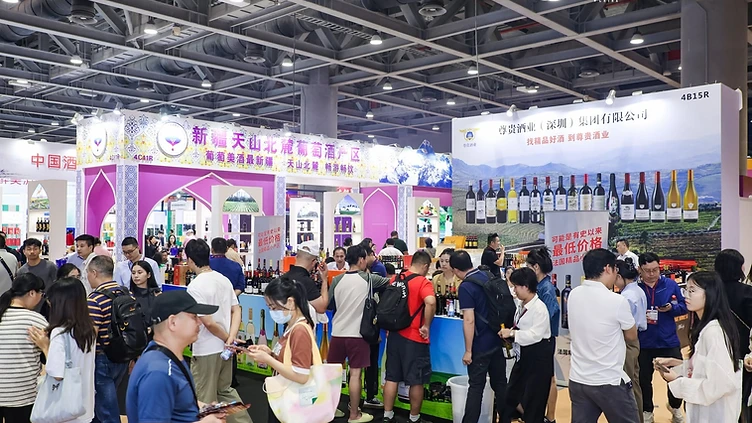
To establish direct contact with qualified regional distributors, corporate buyers, and institutional beverage importers targeting Suzhou and the Yangtze River Delta, wineries and export boards should register to Become an Exhibitor at upcoming INTERWINE trade exhibitions.
Sources
- HKTDC Research: China's Wine Market Consumer Preferences (https://research.hktdc.com/en/article/NDMxNDIxODA2)
- China Briefing: China’s Wine Market Outlook: Trends and Opportunities (https://www.china-briefing.com/news/chinas-wine-market-outlook-trends-and-opportunities/)
- MS Advisory: Wine Market in China: Trends, Growth, and Consumer Preferences (https://msadvisory.com/wine-market-in-china/)
- Observatory of Economic Complexity (OEC): Wine in China Trade (https://oec.world/en/profile/bilateral-product/wine/reporter/chn)
Key Takeaways
- —Suzhou represents an affluent regional market driven by high corporate expenditure and a mature consumer demographic (over 80% married with children and predominantly professional/managerial).
- —Classic red wines dominate corporate banquets and business gifting, while white and sparkling wines are expanding rapidly due to culinary harmony with local Jiangnan and Huaiyang cuisine.
- —China's alcohol e-commerce segment continues to expand at a projected 6% CAGR through 2027 (IWSR data cited by China Briefing), fueling high-frequency retail in tech-centric areas like Suzhou Industrial Park.
- —Exporters must navigate GACC Decree 248 facility registration, strict mandatory Chinese back-label requirements, and standard MFN tariffs ranging from 14% to 30% plus VAT and consumption taxes.
- —Direct engagement with regional sub-distributors and business matchmaking at recognized trade events is critical to avoid channel conflicts with nearby Tier-1 hubs like Shanghai.
Frequently Asked Questions
Why should international wineries target Suzhou instead of focusing only on Shanghai?
While Shanghai is a major commercial hub, it is saturated and highly price-sensitive. Suzhou boasts a municipal GDP surpassing RMB 2.4 trillion, a population of over 12 million, lower operational overhead, and substantial corporate entertainment budgets driven by high-tech, biomedical, and manufacturing enterprises.
What wine styles are performing best in the Suzhou market?
Full-bodied red wines (Bordeaux blends, Cabernet Sauvignon, Shiraz) lead corporate banqueting and formal gifting. However, aromatic white wines (Riesling, Sauvignon Blanc) and dry sparkling wines are growing rapidly due to their pairing compatibility with delicate local Jiangnan seafood and freshwater dishes.
What are the core import compliance requirements for shipping wine into China?
Overseas producers must register their production and storage facilities with the GACC under Decree 248. Each bottle must also feature a compliant Chinese back label displaying mandatory product specifications, allergens, and local importer credentials before clearing customs.
How can wine brands avoid channel conflict between distributors in Shanghai and Suzhou?
Due to the 30-minute high-speed rail proximity between the two cities, brands should issue exclusive territory agreements, implement serialized anti-counterfeit QR tracking on cartons, and establish strict Minimum Advertised Price (MAP) policies to prevent cross-regional price undercut.
How can foreign wineries find qualified wine distributors in Suzhou and Jiangsu province?
Producers can utilize targeted B2B business matchmaking services and participate in established international wine trade exhibitions such as INTERWINE, which bring together verified regional importers, corporate purchasing managers, and beverage wholesalers from across the Yangtze River Delta.