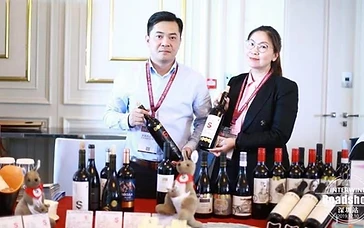
How to Find Wine Importers and Distributors in Xi'an
Discover how wine producers and regional brand managers can identify, qualify, and partner with licensed wine importers and distributors in Xi'an and the greater Shaanxi market.
To find reliable wine importers and distributors in Xi'an, international wineries must bypass generic national outreach and target the regional distribution architecture of Northwest China. The most commercially effective path combines targeted in-person trade expos, pre-vetted buyer matchmaking, Chinese commercial registry audits, and regional logistics hubs connected via Shaanxi's central supply network.
Xi'an serves as the provincial capital of Shaanxi and the logistical anchor of Northwest China. As coastal Tier-1 cities such as Shanghai, Beijing, and Guangzhou reach mature saturation, Xi'an's burgeoning business class, luxury hospitality sector, and rising retail purchasing power present significant commercial upside for global wine producers.
Understanding Xi'an's Wine Distribution Ecosystem
Navigating the wine trade in Xi'an requires understanding how commercial wine routes function in inland western hubs compared to coastal entry ports. Foreign producers rarely sell directly to end-retailers in inland provinces; rather, distribution relies on distinct structural tiers:
- Direct Tier-1 Regional Importers: These companies hold customs clearances, alcohol distribution licenses, bonded warehouse allocations, and primary General Administration of Customs of the People's Republic of China (GACC) import authority. They bring full-container-load (FCL) consignments into inland logistics ports like Xi'an Port or clear customs at coastal maritime gateways (such as Qingdao or Ningbo) before moving stock inland via direct rail or intermodal freight.
- Shaanxi Sub-Distributors and Regional Wholesalers: Operating under primary national or regional importers, these entities hold established channels across Xi'an's hospitality (on-premise luxury dining and high-end hotels), corporate gifting segments, specialized wine boutiques, and secondary cities across Shaanxi, Gansu, and Ningxia.
- Hybrid Cross-Border E-Commerce & Fine Wine Merchants: Emerging regional players combining offline private membership clubs with live commerce and corporate sourcing accounts.
According to market analysis from Vino Joy News (2025), China's wine trade has fragmented significantly into regional powerhouses, making provincial distributors outside of eastern China vital commercial partners for sustained volume.
+-------------------------------------------------------------+
|                  Global Winery / Brand                      |
+-------------------------------------------------------------+
                               | (CIF / CFR Shipping)
                               v
+-------------------------------------------------------------+
|            Licensed Importer (General Trade/CIFER)          |
|   - Direct Inland Importers (Xi'an Port / Customs)          |
|   - National Importers with Western Regional Branches       |
+-------------------------------------------------------------+
                               |
            +------------------+------------------+
            |                                     |
            v                                     v
+-----------------------+             +-----------------------+
| Shaanxi Distributors  |             | Corporate Gifting &   |
| - On-Premise (HoReCa) |             | Specialized Retail    |
| - Regional Wholesalers|             | - Private Cellars     |
+-----------------------+             +-----------------------+
5 Direct Channels to Find Wine Importers in Xi'an
1. Dedicated Wine Trade Fairs and B2B Business Matching
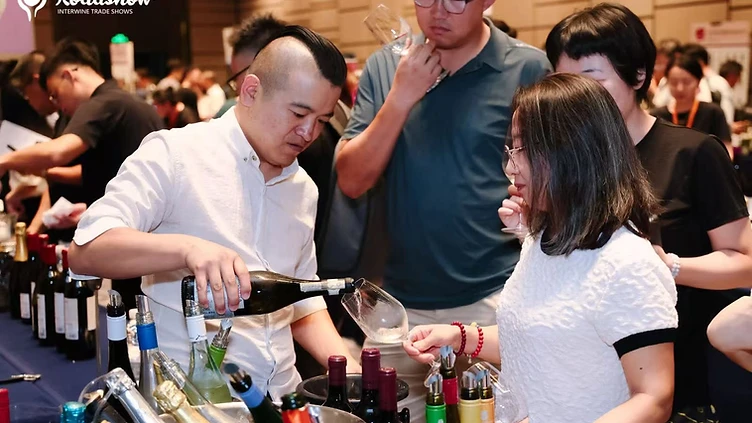
Generic cold outreach delivers low conversion in the Chinese drinks market. Face-to-face commercial vetting remains paramount for high-trust alcoholic beverage transactions. Securing a stand at major industry platforms, or choosing to Become an Exhibitor at focused regional exhibitions such as Interwine, enables wineries to sit directly opposite pre-qualified wine-trade procurement directors from Northwest China.
Wineries should actively leverage pre-scheduled Business Matching services. These programs pre-screen potential distribution partners based on price-point fit, annual clearance capacity, and regional channel specialization before meetings take place.
2. Specialized Wine Importer Databases and Industry Platforms
Sourcing targeted trade directories helps identify registered Shaanxi beverage distribution companies. B2B databases like Beverage Trade Network and curated industry registries such as Vino Joy News's regional reports detail active wine buyers. Rather than blasting unsegmented email campaigns, evaluate buyers against key operational markers: registered capital, year established, existing brand portfolio conflicts, and corporate license status.
3. Diplomatic Commercial Consulates and Trade Promotion Chambers
Foreign commercial sections in China, including bilateral wine institutes and national trade promotion agencies, maintain commercial partner directories. The EU SME Centre (2023) highlights that utilizing trade missions and bilateral chambers offers verified pipelines for agricultural SMEs entering secondary Chinese regional hubs, dramatically reducing intermediary fraud.
4. Direct Field Audits in Xi'an's Commercial Districts
Visiting regional distribution centers and flagship wholesale beverage markets provides direct visibility into who moves actual inventory in Xi'an. Conducting on-the-ground market visits allows producers to inspect shelf presence, review Mandarin back-labels to identify licensed importing companies, and assess competitive pricing across upscale supermarkets, hotel chains, and fine dining establishments.
Reviewing our Market Insights provides structural frameworks for evaluating regional buyer dynamics prior to traveling.
5. Freight Forwarders and Cold-Chain Logistics Operators
Logistics operators serving inland freight routes such as the China-Europe Railway Express (Chang'an line terminating in Xi'an) maintain business relationships with licensed alcohol consignees. Engaging international forwarders specializing in refrigerated wine transport can yield introductions to active Shaanxi-based clearers with import licenses and climate-controlled storage.
Qualifying and Conducting Due Diligence on Xi'an Importers
Before entering formal commercial agreements or shipping tasting samples, conduct rigorous operational due diligence:
- Verify Legal Import and Alcohol Circulation Licenses: Under Chinese commercial law, food and beverage distributors must hold a valid business license explicitly covering food business operations (食品经营许可证). Confirm that the partner can legally execute customs declaration procedures.
- Audit GACC CIFER Compliance: According to General Administration of Customs of China Decree 248 and technical guidance from the EU SME Centre (2023), overseas wine manufacturing and bottling facilities must maintain an active registration code via China's CIFER system. A qualified importer should be fully capable of guiding and cross-verifying your facility's CIFER approval prior to clearance.
- Inspect Regional Storage Infrastructure: Summer temperatures in Shaanxi routinely exceed 35°C. Unregulated inland transport or unconditioned warehousing degrades product quality rapidly. Mandate proof of verified temperature-controlled storage facilities in Xi'an.
- Perform Company Background Checks via National Enterprise Credit Information System (NECIPS): Access official Chinese corporate registries to evaluate registered capital, judicial records, ownership structure, and tax standing to prevent fraudulent broker exposure.
- Examine Brand Portfolio Compatibility: Evaluate the buyer's active supplier list. An importer heavily focused on Australian Shiraz may lack the dedicated sales team necessary to sell boutique Italian whites or French biodynamic wines in Shaanxi.
| Evaluation Criteria | High-Priority Indicator | Red Flag | | :--- | :--- | :--- | | Licensing | Dual Food Business & Customs Clearance credentials | Intermediary with no direct import rights | | Cold-Chain Logistics | Documented temperature-controlled warehousing in Shaanxi | Ambient, unregulated regional staging storage | | Channel Penetration | Direct contracts with HoReCa and regional supermarket accounts | Unspecified e-commerce "connections" with no references | | Payment Terms | Standard Letter of Credit (L/C) or secure advance T/T deposit | Insistence on consignments with deferred open-account terms |
Structuring Commercial Agreements for Regional China
Commercial disputes frequently arise from vague territory definitions and misaligned volume expectations. Safeguard your regional footprint with these practices:
- Avoid Blanket Exclusive National Contracts: Granting exclusive China-wide distribution rights to an inland regional distributor can freeze your commercial expansion across major coastal markets. Limit territory rights specifically to Shaanxi Province, or Northwest China (Shaanxi, Gansu, Ningxia, Qinghai, Xinjiang).
- Codify Explicit Volume Quotas: Base territory exclusivity on measurable quarterly minimum order volumes. If targets are not met within six months, revert the contract to a non-exclusive distribution agreement.
- Register Your Trademark in China Prior to Market Entry: China enforces a strict "first-to-file" intellectual property legal doctrine. Ensure both your Latin brand name and phonetically localized Chinese trademark are officially registered with the China National Intellectual Property Administration (CNIPA) under your winery's name, never the importer's.
Action Plan: Connecting with Importers
- Complete your GACC overseas manufacturer registration via CIFER.
- Secure your Chinese and international trademark registrations via CNIPA.
- Prepare Mandarin commercial specification sheets outlining FOB/CIF pricing, grape varietal profiles, and international accolades.
- Apply to Become an Exhibitor at an upcoming Interwine edition to establish direct contact with verified regional wine distributors.
Sources
- EU SME Centre (2023). China's Wine Market(s): Drivers, Technical Requirements, and Opportunities for EU Producers. https://www.eusmecentre.org.cn/publications/chinas-wine-markets-drivers-technical-requirements-and-opportunities-for-eu-producers
- Vino Joy News (2025). China's Top 100 Wine Importers Report. https://vino-joy.com/product/chinas-top-100-importers/
- General Administration of Customs of the People's Republic of China (GACC). Decree 248 on Regulations on the Registration and Administration of Overseas Producers of Imported Food. http://www.customs.gov.cn
Key Takeaways
- —Xi'an is the commercial and logistics gateway for wine distribution into Northwest China, offering lower saturation than coastal Tier-1 cities.
- —Most inland distribution involves a two-tier model: direct primary regional importers or provincial sub-distributors tied to coastal clearing agents.
- —Wineries should never sign China-wide exclusivity with inland partners; instead, carve out localized territory contracts focused on Shaanxi Province.
- —Verifying an importer's Food Business License, CIFER facility alignment, and temperature-controlled storage is vital before dispatching samples or stock.
- —B2B exhibition matching and pre-vetted trade events remain the most efficient method to conduct face-to-face commercial vetting in regional China.
Frequently Asked Questions
Why target wine importers in Xi'an rather than Tier-1 cities?
Tier-1 coastal cities like Shanghai, Beijing, and Shenzhen are heavily saturated with international wine labels, resulting in high listing fees and cutthroat margin competition. Xi'an serves as the capital of Shaanxi and the economic center of Northwest China, offering growing purchasing power, strong corporate gifting networks, and less crowded retail shelves for international brands.
What licenses must a Xi'an wine importer hold to legally clear goods?
A legitimate Chinese wine importer must hold an official enterprise business license with an authorized food business operating permit (食品经营许可证), valid registration with Chinese Customs (GACC), and direct foreign exchange clearance privileges through the State Administration of Foreign Exchange (SAFE).
Can I ship wine directly to Xi'an via inland customs ports?
Yes. Xi'an features comprehensive bonded logistics zones and dry port infrastructure connected to the China-Europe Railway Express and domestic customs corridors. Goods can be shipped directly in bonded status via rail or sea freight and formally cleared at Xi'an Customs.
Should wineries grant China-wide distribution rights to a regional Xi'an buyer?
No. Wineries should avoid broad national exclusivity contracts with regional partners. Instead, limit distribution rights specifically to Shaanxi Province or Northwest China, tied to mandatory minimum annual purchase volumes and clear performance milestones.
How does CIFER registration impact finding an importer in Xi'an?
Under GACC Decree 248, every overseas winery and bottling facility must obtain an active registration number through China's CIFER system before exporting. Qualified importers in Xi'an will inspect your CIFER status prior to signing agreements, as shipments cannot clear customs without it.