How Wine Brands Can Build Local Demand in Guangzhou
Discover how international wine brands can build sustainable local demand in Guangzhou by navigating regional consumer tastes, Cantonese culinary pairings, tier-two city distribution hubs, and face-to-face B2B trade engagement.
To build sustainable local demand in Guangzhou, international wine brands must move beyond national marketing campaigns and execute a focused, region-specific commercial strategy. Guangzhou is not simply a large consumer metropolis; it is the commercial and logistics hub of Guangdong province and the broader Greater Bay Area (GBA). The regional market rewards brand owners who pair nuanced Cantonese culinary culture with tailored importer partnerships, precise on-trade positioning, and direct relationship-building with South China's distribution network.
According to data from the General Administration of Customs China (GACC) cited in the USDA Foreign Agricultural Service 2025 Wine Market Update, China imported roughly $1.6 billion of wine and related products in 2024. While overall national consumption has recalibrated from its peak, Guangdong province continues to serve as China's primary commercial engine for wine importation and wholesale distribution. For wineries and regional distribution managers, establishing local traction in Guangzhou requires understanding how South China distributors evaluate foreign inventory, select target channels, and protect commercial margins.
Understanding the Guangzhou Consumer and Trade Dynamic
Guangzhou possesses distinct purchasing dynamics that separate it from other Tier 1 cities such as Shanghai or Beijing. While northern buyers historically prioritized heavy, oak-aged reds for formal banquets and prestige gifting, Guangzhou’s market emphasizes pragmatic consumption, gastronomy, and lifestyle-driven purchasing.
The Cantone Dining Advantage and Palate Preferences
Cantonese gastronomy (Yue cuisine) is characterized by freshness, delicate umami notes, steamed seafood, and subtle seasoning. Highly tannic, high-alcohol red wines often overpower these delicate flavors. Research highlighted in the USDA FAS 2025 Wine Market Update notes a clear shift in Chinese buyer interest toward aromatic white wines, chilled rosés, and sparkling wines. In Guangzhou’s subtropical climate, these categories align naturally with everyday culinary occasions.
Wineries that educate regional sommeliers and restaurateurs on pairing crisp whites (such as Riesling, Sauvignon Blanc, and Albariño) or balanced sparkling wines with local seafood and dim sum cultivate higher recurring sell-through rates than producers pushing generic cabernet blends without dining context.
Generational Shifts in South China
According to an analysis published by VVR International in 2026, wine accounted for 1.3% of China's overall alcohol consumption in 2023, with younger urban consumers actively favoring approachable beverages, social dining experiences, and digital narrative discovery. Guangzhou's younger demographic gathers at modern wine bistros in Tianhe, Yuexiu, and Haizhu districts. These consumers value authentic storytelling, lower-intervention practices, organic certifications, and transparent value, bypassing traditional state-owned banquet conventions.
Structuring B2B Distribution Channels in South China
Winning market share in Guangzhou requires an active multi-tiered distribution model. Relying entirely on a single national general agent based in Shanghai or Beijing frequently leaves South China under-serviced.
Partnering with Regional and Tier-2 Wholesalers
Guangdong represents an interconnected network of high-income manufacturing hubs, including Foshan, Dongguan, Zhongshan, and Zhuhai. Guangzhou acts as the wholesale consolidation centre for these municipal markets. Rather than hunting exclusively for mega-importers, international producers achieve greater channel stability by partnering with regional distributors who maintain established sales networks into local corporate procurement accounts and regional hotel and restaurant (HoReCa) groups. For deeper background on macro import shifts, explore our Market Insights.
Direct-to-Consumer and Social Commerce Alignment
According to research from IWSR cited in China Briefing (2025), China's online alcohol sector is projected to expand at a 6% compound annual growth rate through 2027, accounting for 40% of global online beverage alcohol sales. While e-commerce platforms like Xiaohongshu (RED) and Douyin build brand visibility, successful offline distributors in Guangzhou rely on omnichannel synergy. Local distributors use digital discovery to generate pull, routing corporate and private clients to localized tasting rooms and regional depots.
Brand Localization: Nomenclature and Storytelling
Brand adaptation in Guangzhou must be approached with cultural precision. A winery’s Chinese brand name plays a decisive role in regional adoption.
- Linguistic Resonance: As noted by Dezan Shira & Associates (2025), registering an authentic Chinese brand name is critical for market penetration. In Guangzhou, brands should ensure their phonetic translation resonates smoothly in both standard Mandarin (Putonghua) and Cantonese (Yue), avoiding unintended slang or awkward phrasing.
- Educational Collateral: Provide distributors with simplified Mandarin tasting sheets, digital assets formatted for WeChat, and clear food-pairing guidelines specifically referencing South Chinese dining staples.
- Packaging Considerations: For banquet and business gifting segments, premium packaging remains influential. However, for Guangzhou's expanding casual on-premise segment, modern aesthetics, screw-cap convenience, and visible sustainability credentials offer stronger appeal.
Navigating Regulatory and Commercial Risks
Operating successfully in South China requires sound regulatory compliance and financial planning:
- Trademark Registration: Register brand trademarks and Chinese character marks directly with China National Intellectual Property Administration (CNIPA) before shipping product. Wineries should never allow an importer or agent to register local trademarks under third-party ownership.
- Customs and Labeling: Wine entering through Guangzhou or Huangpu ports must comply strictly with GACC Decree 248/249 standards regarding overseas facility registration and Chinese back-label requirements (including additive disclosures and net volume metrics).
- Payment and Credit Terms: Wineries should protect working capital by securing clear payment terms (such as documentary letters of credit or deposit balances prior to release of original bills of lading) rather than extending open credit to unvetted partners.
Accelerating Growth Through In-Person Engagement
Commercial relationships in South China's wine trade are built on personal trust, mutual commercial viability, and shared tasting experiences. While digital communications maintain ongoing operations, commercial deals close in person.
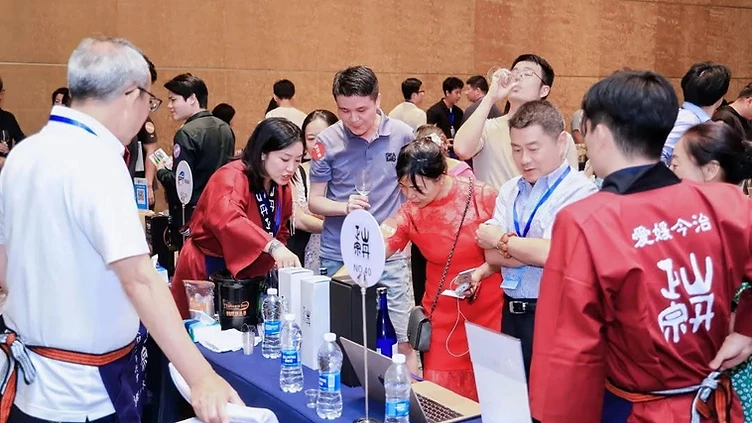
Producers seeking to secure distribution in Guangzhou cannot rely on remote sales outreach alone. Participating in targeted professional trade fairs allows regional sales managers to interface directly with Guangdong's vetted importers, wholesale buyers, and regional F&B buyers.
Wineries ready to establish commercial traction in the region can secure their presence directly to become an exhibitor at upcoming Guangzhou sessions. Brand owners can also leverage structured Business Matching services to pre-arrange one-on-one distributor discussions, or consult our Exhibitor Directory to evaluate current market participation across national pavilions.
Conclusion
Building local wine demand in Guangzhou requires abandoning one-size-fits-all strategies. By aligning wine portfolios with Cantonese culinary pairing opportunities, engaging dedicated South China distributors, and reinforcing market presence through in-person trade platforms, international wineries can build a resilient, highly profitable commercial footprint in China's dynamic southern corridor.
Sources
- USDA Foreign Agricultural Service, Wine Market Update 2025 (CH2025-0190), 2025.
- China Briefing (Dezan Shira & Associates), China's Wine Market Outlook: Trends and Opportunities, 2025.
- VVR International, The Chinese Wine Market in 2026: Trends and Consumption, 2026.
- Journal of Wine Economics (Cambridge Core), China's wine market: Recent shocks, long-term prospects, 2025.
Key Takeaways
- —Guangzhou serves as the regional distribution and wholesale consolidation engine for Guangdong province and the Greater Bay Area.
- —Cantonese cuisine favors refreshing whites, rosés, and sparkling wines over heavily tannic, high-alcohol reds.
- —Data from GACC (2024) indicates a $1.6B imported wine market shifting toward quality, gastronomic fit, and authentic brand origin.
- —Direct regional importer relationships in South China reduce reliance on overextended national single-agent models.
- —Chinese brand name trademark registration in both Mandarin and Cantonese phonetic contexts is mandatory before entering distribution.
- —In-person trade presence and organized B2B matchmaking remain the most reliable avenues for securing qualified South China distributor accounts.
Frequently Asked Questions
Why is Guangzhou a strategic entry point for imported wine brands in China?
Guangzhou acts as the commercial capital of Guangdong province and the primary logistics hub for the Greater Bay Area. The city combines high per capita disposable income with an established wholesale ecosystem that directly services surrounding industrial centers like Foshan, Dongguan, and Zhongshan.
What wine varietals perform best with local Guangzhou gastronomy?
Delicate Cantonese cuisine emphasizes steamed seafood and subtle seasoning. As a result, crisp, aromatic white wines (Riesling, Sauvignon Blanc, Albariño), balanced sparkling wines, and lighter-bodied, fruit-forward reds generally achieve higher on-trade success than heavily oaked, tannic wines.
Should international wine brands appoint a single national distributor or regional partners in Guangzhou?
Many wineries experience limited market penetration when relying solely on a national distributor based in Shanghai or Beijing. Appointing regional partners dedicated to South China allows closer commercial relationships, direct access to regional HoReCa venues, and better inventory management across Guangdong.
How can wineries protect their brand identity before entering Guangzhou?
Producers must register their trademarks—including localized Chinese brand characters—directly with CNIPA prior to commercial export. Choosing a Chinese brand name that reads favorably in both Mandarin and Cantonese prevents trademark squatting and cultural misinterpretation.
How can international wineries connect with qualified wine buyers in Guangzhou?
Participating directly in professional regional wine trade fairs and utilizing targeted B2B matchmaking programs provides direct access to qualified importers, hospitality directors, and provincial distributors across South China.