How to Find Wine Importers and Distributors in Guangzhou
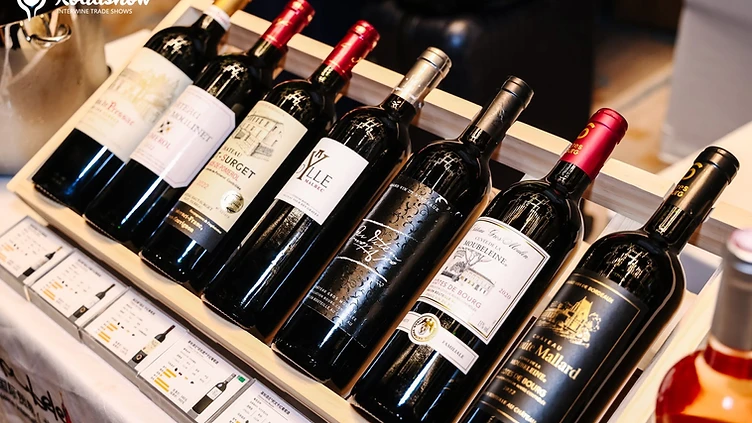
Discover proven commercial strategies to find, evaluate, and secure verified wine importers and distributors in Guangzhou and Guangdong's Greater Bay Area.
To establish sustainable distribution in Southern China, international wineries must understand how to find wine importers and distributors in Guangzhou by leveraging specialized B2B trade platforms, direct channel mapping, and rigorous commercial partner qualification. Rather than relying on cold outreach or generic directories, successful export directors target Guangzhou as the primary logistics and commercial hub of Guangdong province—a region that historically commands the largest share of mainland China's imported wine consumption.
Securing commercial distribution in Guangzhou requires navigating regional market structures, understanding tax architectures, validating licensing requirements, and developing genuine commercial relationships (guanxi). This guide provides an actionable framework for wineries and export sales teams seeking reliable import partners across the Guangdong-Hong Kong-Macao Greater Bay Area (GBA).
Why Guangzhou Is the Strategic Gateway for China Wine Distribution
Guangzhou is not merely another Tier-1 Chinese consumer market; it serves as the central clearinghouse for imported alcohol across Southern China. According to industry analyses compiled by BestWineImporters (2024), Guangdong province represents the most dynamic wine trade cluster in mainland China, historically absorbing over 60% of all bottled wine imports entering the country.
Several structural advantages make Guangzhou the ideal beachhead for foreign producers:
- Logistical Infrastructure: Direct access to major maritime hubs like Nansha Port and Huangpu Port provides integrated bonded warehousing, temperature-controlled facilities, and streamlined customs clearance under the General Administration of Customs of China (GACC).
- Regional Spillover: Importers based in Guangzhou's Tianhe, Yuexiu, and Haizhu commercial districts supply not only local Cantonese hospitality and retail venues, but also distribute across Shenzhen, Dongguan, Foshan, Zhongshan, and into neighbouring inland provinces such as Hunan, Jiangxi, and Guangxi.
- Commercial Resilience: Guangdong buyers have long-standing trade relationships with international suppliers, possessing established distribution pipelines into modern retail, banquet catering, specialized wine bars, and high-end Cantonese dining (Yum Cha and private dining rooms).
Core Channels to Identify Qualified Wine Importers in Guangzhou
Building an actionable pipeline of qualified prospective buyers requires a multi-pronged sourcing strategy. International producers should utilize four targeted discovery channels:
1. In-Person Professional B2B Expos and Matchmaking
Personal interaction remains the cornerstone of Chinese wine trade negotiations. In-person tasting, commercial evaluation, and face-to-face negotiations establish foundational trust that digital outreach cannot replicate.
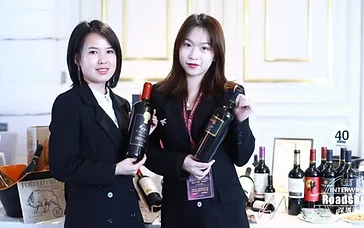
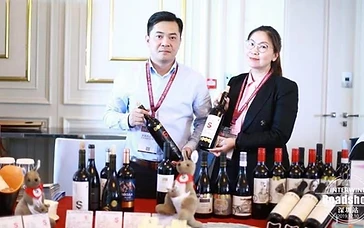
- Trade Exhibitions: Industry events held at the China Import and Export Fair (Canton Fair) Complex in Pazhou, such as Interwine China, bring together regional wholesalers, national first-tier importers, and provincial sub-distributors. Exhibiting directly allows producers to meet pre-vetted trade buyers seeking exclusive distribution rights. Wineries preparing their market entry can review options to Become an Exhibitor to secure dedicated exhibition space.
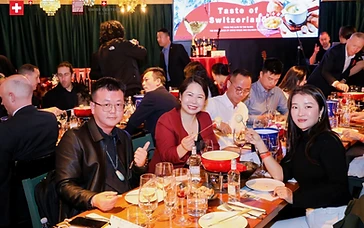
- Curated B2B Matchmaking: High-efficiency trade models utilize targeted business-to-business pairing sessions. Platforms providing dedicated Business Matching allow wineries to schedule private meetings with verified wine buyers filtered by price tier, origin specialty, and sales channel.
2. Physical Market Mapping and On-the-Ground Auditing
Wineries should actively audit the physical retail and wholesale landscape in Guangzhou:
- Wholesale Trading Centers: Explore specialized wholesale liquor and beverage trading complexes in districts like Baiyun and Liwan to identify sub-distributors and understand current price realization.
- Back-Label Auditing: Visit premium western retail chains (e.g., Ole’, Sam’s Club, BLT), upscale boutique wine bars, and five-star hotel beverage departments. Inspect the mandatory Chinese back labels (guobiao compliant). These labels legally list the name, address, and contact details of the official domestic importer of record, providing immediate intelligence on active regional operators.
3. Reviewing Regional Trade Directories
Commercial directories provide contact information for first-tier importers. Cross-referencing entities through an established Exhibitor Directory or trade databases allows sales directors to analyze current portfolio structures and ensure prospective partners do not already carry competing directly-substitutable SKUs from the same sub-appellation.
4. Trade Promotion Agencies and Chambers of Commerce
National export boards (such as Business France, ICEX Spain, Wines of South Africa, or Italian Trade Agency) coordinate regional pavilions and tasting roadshows in Guangzhou. These bodies maintain localized directories of active Chinese importers registered with the General Administration of Customs.
Practical Due Diligence: How to Qualify Guangzhou Wine Importers
Not every business claiming to import wine possesses the commercial capability to build volume or brand equity. When screening prospective partners in Guangzhou, wineries must conduct disciplined operational due diligence.
                               +------------------------------------------+
                               | 1. Licensing & Compliance                |
                               | - GACC Overseas Enterprise Registration  |
                               | - Chinese Food Business Operation License|
                               +--------------------+---------------------+
                                                    |
                                                    v
                               +------------------------------------------+
                               | 2. Logistics & Chain of Custody          |
                               | - Reefer / Temperature-Controlled Freight|
                               | - Climate-Controlled Bonded Warehousing  |
                               +--------------------+---------------------+
                                                    |
                                                    v
                               +------------------------------------------+
                               | 3. Commercial Footprint & Portfolio Fit  |
                               | - Active Sales Channels (Horeca/Retail)  |
                               | - Non-Competing Portfolio Synergy        |
                               +------------------------------------------+
Essential Verification Criteria
- Licensing and Customs Registrations: Ensure the buyer holds a legitimate Chinese Food Business Operation License (Shipin Jingying Xukezheng) and import/export rights. The exporter must also confirm their own winery facility is properly listed on China's GACC Decree 248 platform.
- Cold-Chain Logistics Capability: Guangzhou experiences high humidity and prolonged summer temperatures exceeding 35°C. Inquire directly about their cold-chain logistics (reefer container transport from Nansha or Shenzhen ports) and verify that their central warehouse maintains year-round climate control.
- Channel Specialization: Chinese wine merchants generally specialize in specific channels—such as on-premise hospitality (Horeca), corporate gifting, wedding banquets, regional wholesale, or direct-to-consumer e-commerce (Tmall, JD.com, Douyin). Choose an importer whose distribution footprint aligns with your brand's price point and margin requirements.
- Portfolio Depth and Cannibalization: Assess whether the importer already distributes a major brand from your specific region. If an importer already distributes multiple competing mid-tier Bordeaux AOCs or Chianti Classicos, your label risks remaining an inactive catalog addition.
Landed Costs, Pricing Architecture, and Customs Realities
Developing an attractive commercial proposition requires understanding the fiscal mechanics of China’s wine import system. As detailed by BestWineImporters (2024), imported bottled still wines entering mainland China face a compounded tax structure applied against CIF (Cost, Insurance, and Freight) value:
- Customs Import Duty: Standard Most Favoured Nation (MFN) rate is generally 14% (unless reduced under specific bilateral Free Trade Agreements).
- Value-Added Tax (VAT): Standard rate of 13%.
- Consumption (Excise) Tax: Fixed at 10%.
Cumulatively, standard MFN duties and taxes add approximately 48% to 50% on top of the CIF value. When designing price sheets for Guangzhou buyers, provide clear EXW and CIF pricing, realistic Minimum Order Quantities (MOQs), and allow sufficient operational margin (typically 30–50%) for the tier-1 importer and subsequent sub-distributors.
Action Plan: Converting Guangzhou Trade Contacts into Long-Term Partners
To turn initial introductions into active commercial contracts, export managers should follow a systematic execution plan:
- Prepare Bilingual Commercial Decks: Provide product sheets translated into simplified Chinese detailing awards, technical sheets, tasting notes, and suggested food pairings matching Cantonese and Southern Chinese cuisine.
- Engage with Local Commercial Intelligence: Stay updated with regional purchasing trends and regulatory shifts by reviewing professional Market Insights dedicated to the Chinese beverage landscape.
- Facilitate Labeling and Compliance: China strictly enforces standard GB7718 and GB2758 labeling guidelines. Work cooperatively with the importer to review simplified Chinese back-labels before dispatching full container loads.
- Commit to In-Market Brand Support: Distributors rarely build foreign brands unaided. Offer structured commercial marketing allowances, provide masterclass master materials, and commit to attending key regional commercial activations in Guangzhou to support your partner's regional sales reps.
Sources
- BestWineImporters: A Wine Exporter’s Guide to Finding Buyers in China and Working with Chinese Wine Importers (2024). https://www.bestwineimporters.com/blog/resources/a-wine-exporters-guide-to-finding-buyers-in-china-and-working-with-chinese-wine-importers/
- EU SME Centre: China's Wine Market(s): Drivers, Technical Requirements and Opportunities for EU Producers (2023). https://www.eusmecentre.org.cn/publications/chinas-wine-markets-drivers-technical-requirements-and-opportunities-for-eu-producers
- Beverage Trade Network: Interwine China: Gateway to Global Wines in the Chinese Market (2024). https://beveragetradenetwork.com/en/btn-academy/articles/interwine-china-bridging-global-wines-and-the-chinese-market-739.htm
Key Takeaways
- —Guangdong province remains mainland China's largest import wine consumption hub, accounting for over 60% of national wine import flows.
- —B2B trade exhibitions and curated business matching in Guangzhou provide the highest-efficiency route to verified regional distributors.
- —Landed import pricing must account for China's compounded tax structure (MFN duty, VAT, and consumption tax), adding roughly 50% on top of CIF value.
- —Operational due diligence must confirm Chinese food circulation licenses, GACC Decree 248 compliance, and local temperature-controlled warehouse infrastructure.
- —Producers succeed by matching wine price tiers to an importer's specific channel focus (Horeca, corporate banquets, or digital e-commerce).
Frequently Asked Questions
Why is Guangzhou considered the top regional market for wine importers in China?
Guangzhou acts as the commercial capital of Guangdong province, which absorbs over 60% of China's bottled imported wine. The city offers advanced maritime logistics via Nansha port, extensive bonded warehousing, and access to the affluent Greater Bay Area consumer base.
What taxes apply when importing bottled wine into Guangzhou?
Imported bottled still wine entering China under standard MFN rules faces a 14% customs tariff, a 10% consumption tax, and a 13% Value-Added Tax (VAT). Compounded, these taxes increase the landed cost by approximately 48% to 50% above the CIF value.
What licenses should a winery verify before signing an agreement with a Guangzhou distributor?
Wineries should verify that the prospective distributor possesses an active Chinese Food Business Operation License, registered import/export customs clearance codes, and the ability to process Chinese simplified back-labels under national GB standards. The foreign winery must also register on the GACC Decree 248 portal.
How can an international winery meet qualified Guangzhou wine buyers efficiently?
The most effective method is participating in specialized trade fairs held in Guangzhou, such as Interwine China at the Pazhou Complex, combined with structured B2B business matching programs that pre-screen buyers by commercial portfolio and distribution channels.