Wine Market and Trade Opportunities in Chengdu
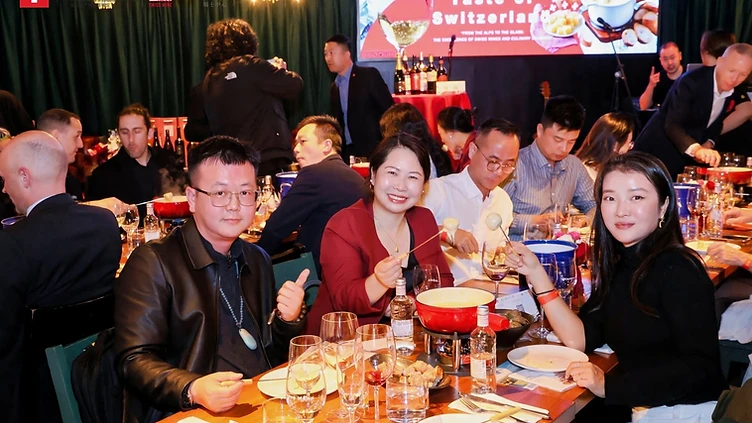
Chengdu has emerged as China’s premier commercial hub for imported wine distribution into Western and Central China. Explore distributor dynamics, trade show strategies, and market realities.
For international wineries, export managers, and regional distribution groups assessing China's evolving alcoholic beverage landscape, Chengdu represents the undisputed commercial gateway to Southwestern and Inland China. While coastal megacities such as Shanghai, Shenzhen, and Guangzhou remain established centres of direct wine import volume, Chengdu offers an unmatched commercial crossroads where multi-tiered distributor networks convene to supply Sichuan, Chongqing, Yunnan, Guizhou, Shaanxi, and beyond.
Navigating the wine market and trade opportunities in Chengdu requires a clear-eyed understanding of current macroeconomic data, shifting regional consumption habits, the unique dynamics of the inland distribution architecture, and strategic in-person engagement channels. Overseas wine brands looking to scale in China can directly engage these verified regional distributor tiers by planning to become an exhibitor at focused industry platforms.
The Strategic Importance of Chengdu in China's Wine Trade
Chengdu is not merely a regional capital; it serves as the logistics, cultural, and wholesale fulcrum for the Chengdu-Chongqing Economic Circle—a mega-region home to more than 100 million consumers. Long recognized for its thriving gastronomy sector and dynamic food-and-beverage culture, Chengdu hosts the highest concentration of independent bistros, wine bars, and contemporary hospitality venues in Western China.
Unlike coastal markets where top-tier importers frequently deal directly with retail and boutique on-premise accounts, the commercial ecosystem in Chengdu is built upon wholesale distribution power. Wineries entering Chengdu tap into provincial agents who supply sub-distributors across Tier 2, Tier 3, and Tier 4 cities throughout inland provinces. Securing distribution partnerships in Chengdu gives an overseas producer access to a multi-province footprint that cannot be replicated through single-city retail agreements in Tier 1 coastal capitals.
Producers seeking detailed sector intelligence on regional distributor procurement patterns can consult our analytical market insights to benchmark inland trade flows against southern and eastern ports.
Import Dynamics and the National Macroeconomic Context
To formulate a sustainable commercial strategy in Chengdu, exporters must contextualize Western China within wider national import figures. According to data from Chinese customs analyzed by the Spanish Wine Interprofessional Organization (OIVE) in March 2026, China imported €1.2579 billion worth of wine in 2025, representing a 14.6% decline in value and a 26.7% drop in volume to 207.2 million litres compared to 2024. Simultaneously, however, the average import price per litre rose by 16.5% to €6.07. This data demonstrates a structural transition away from unbranded, low-margin bulk volumes toward premiumization, authenticated origin, and value-driven brand equity.
Tariff frameworks have also reorganized supplier shares across the country. Following the Ministry of Commerce's official removal of punitive anti-dumping and countervailing tariffs on Australian bottled wine on March 29, 2024, Australian brands rapidly regained commercial ground. As reported by OIVE based on 2025 customs figures, Australia re-established itself as China’s leading wine supplier by value, generating €515.6 million (representing 41% of national imported value), followed by France at €370.1 million.
For wine brands operating across classic regions—such as Bordeaux, the Rhône, Rioja, Tuscany, Barossa, and Mendoza—this restructuring means Chengdu buyers are demanding disciplined price-to-quality ratios, verified regional provenance, and transparent commercial margins from international brand partners.
Consumer Demographics and On-Premise Trends in Chengdu
Chengdu’s consumer landscape differs significantly from the more formal corporate banquet culture seen in Northern China. Key consumption behaviors driving retail and on-premise sales include:
1. Casual Dining and "Bistro Culture"
Chengdu boasts one of the most prolific café-and-bistro cultures in mainland China. Younger demographic cohorts—predominantly Gen Z and Millennials—routinely consume wine during casual social gatherings, evening brunches, and relaxed meals. This trend favors fruit-forward, approachable red varietals, crisp aromatic white wines (such as Sauvignon Blanc, Riesling, and Albariño), and authentic sparkling profiles including Crémant, Cava, and Prosecco.
2. Gastronomic Pairing Innovation
While Sichuan cuisine is internationally renowned for its bold, spicy, and numbing (mala) flavor profiles, local sommeliers and modern restaurant groups have actively pioneered innovative wine pairings. High-acid white wines, off-dry whites, chilled light-bodied reds (such as Pinot Noir and Gamay), and low-tannin selections are increasingly integrated into premium hot pot venues and contemporary Sichuan culinary establishments.
3. Shift from Status-Conscious to Palate-Conscious Drinking
Chengdu wine drinkers display an appetite for regional discovery. While premier Bordeaux and top-tier Australian Shiraz maintain prestige at corporate and executive levels, intermediate wine consumers are actively exploring emerging varietals, organic viticulture, biodynamic production, and natural wines. Importers supplying Chengdu look for distinct storytelling, clean label design, and authentic producer credentials.
The Commercial Engine: The Chengdu Spring Hotel Shows and Trade Fairs
No discussion of wine commerce in Chengdu is complete without evaluating the annual trade gatherings that take place in the city every spring. Historically rooted in the national China Food & Drinks Fair (CFDF) established in 1955, Chengdu becomes the epicenter of China's alcohol sector every March.
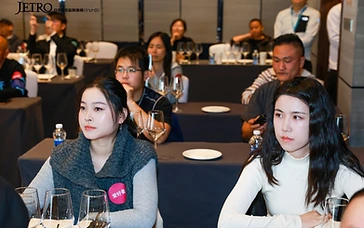
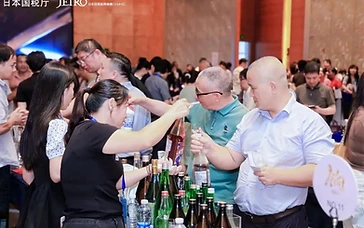
During this period, international trade show organizers and wine exhibition specialists establish specialized satellite venues—widely known across the industry as the "Hotel Shows"—prior to and alongside convention-center exhibitions. According to the Asia trade show overview published by Vino Joy News in March 2026, the Chengdu spring fair cycle regularly mobilizes upwards of 150,000 professional buyers, distributors, and agents nationwide, with specialized multi-star hotel showcases providing high-density transactional environments tailored strictly to alcoholic beverage procurement.
Wineries and exporters interested in meeting inland distributors often leverage professional trade platforms like Interwine Chengdu, which organizes focused business conventions and curated matchmaking environments specifically designed to connect foreign cellars directly with pre-screened importers.
To ensure your meetings result in binding contracts rather than casual booth visits, producers can deploy our structured business matching services during upcoming inland and coastal trade runs.
Structuring Distribution: Navigating Inland Route-to-Market Realities
Foreign wine businesses entering Chengdu must formulate clear distribution contracts that account for the commercial realities of Western China. Successful market entry hinges on four operational principles:
+-------------------------------------------------------------+
|               Foreign Winery / Brand Owner                  |
+-------------------------------------------------------------+
                              |
                              v
+-------------------------------------------------------------+
|  First-Tier Importer / Inland Hub Distributor (Chengdu)    |
+-------------------------------------------------------------+
          |                                         |
          v                                         v
+-----------------------------------+   +---------------------+
| Regional Sub-Distributors         |   | Premium On-Premise  |
| (Sichuan, Chongqing, Guizhou, etc)|   | & Specialist Retail |
+-----------------------------------+   +---------------------+
          |
          v
+-----------------------------------+
| Local Off-Premise / HORECA        |
+-----------------------------------+
Partner Selection and Due Diligence
Avoid signing broad "exclusive national agreements" with regional distributors whose core logistics capabilities are confined to Sichuan or neighboring provinces. The optimal strategy frequently involves appointing an inland master distributor based in Chengdu with demonstrated logistics and warehousing infrastructure across the Southwest, while reserving coastal territories for dedicated maritime-port importers.
Logistics and Temperature-Controlled Storage
Moving wine from entry ports such as Shenzhen, Guangzhou, or Shanghai to Chengdu involves inland rail or road transit of over 1,500 kilometers. Summer transport requires strict refrigerated container logistics (reefer transport) to protect wine integrity against high inland temperatures. Ensure your Chengdu distribution partner operates certified, temperature-controlled warehousing within local bonded logistics zones.
Marketing Co-Investment and Local Education
Distributors in Western China require educational collateral tailored to their regional sales forces. Wineries that succeed in Chengdu actively provide branded masterclasses, digital educational assets for WeChat Channels and Xiaohongshu (RED), and bilingual brand narratives that equip provincial sales teams to communicate value to sub-distributors.
Strategic Conclusion and Next Steps for Exporters
Chengdu is not an ancillary regional outpost; it is the commercial fulcrum of wine consumption across Western and Central China. While aggregate import statistics published by OIVE and general customs data highlight a consolidating national volume, they also reveal higher average unit prices and a discerning, lifestyle-driven consumer base. Exporters that demonstrate patience, prioritize genuine regional storytelling, and build targeted distribution pipelines in Chengdu can establish defensible commercial market shares.
For international wineries aiming to accelerate their access to professional importers, wholesale regional buyers, and established beverage executives across China's interior, physical trade participation remains essential. We invite brand owners and regional export consortia to become an exhibitor with Interwine, securing direct commercial access to verified commercial buyers across the world's most dynamic regional market.
Sources
- Spanish Wine Interprofessional Organization (OIVE) / China Customs Data: https://www.vinetur.com/en/2026030697196/chinas-wine-market-continues-long-decline-despite-higher-import-prices.html
- Vino Joy News — Asia’s 2026 Wine and Spirits Trade Show Calendar: https://vino-joy.com/2026/03/10/asias-2026-wine-and-spirits-trade-show-calendar-here-are-the-key-events-to-watch/3/
- United States Department of Agriculture (USDA) Foreign Agricultural Service — Wine Market Update: https://apps.fas.usda.gov/newgainapi/api/Report/DownloadReportByFileName?fileName=Wine+Market+Update+2025_Shanghai+ATO_China+-+People%27s+Republic+of_CH2025-0190.pdf
- Observatory of Economic Complexity (OEC) — Wine in China Trade Profile: https://oec.world/en/profile/bilateral-product/wine/reporter/chn
Key Takeaways
- —Chengdu acts as the primary distribution hub connecting international wine producers with multi-tier buyers across Sichuan, Chongqing, Yunnan, Guizhou, and Shaanxi.
- —China’s wine imports totaled €1.2579 billion in 2025 with an average price increase of 16.5% to €6.07 per liter, confirming that demand is pivoting toward premiumization.
- —Following the removal of tariffs in March 2024, Australia captured 41% of China's import value in 2025, reshaping the competitive landscape alongside French and European producers.
- —Chengdu’s relaxed social dining culture and expanding bistro scene offer substantial growth for approachable reds, crisp whites, and sparkling wines paired with local gastronomy.
- —Participation in dedicated Chengdu spring wine exhibitions and hotel shows provides immediate, face-to-face access to over 150,000 professional trade visitors.
Frequently Asked Questions
Why is Chengdu considered the primary wine distribution hub for Western China?
Chengdu acts as the economic, culinary, and logistical core of the Chengdu-Chongqing Economic Circle. It hosts an extensive network of first- and second-tier wholesale distributors who supply retail, on-premise, and corporate accounts across Sichuan, Guizhou, Yunnan, Shaanxi, and Chongqing.
What styles of wine are performing best among Chengdu consumers?
While premium Australian Shiraz and Bordeaux reds retain status for business banquets, Chengdu's thriving bistro and café culture drives strong demand for high-acid aromatic whites (Riesling, Sauvignon Blanc), light-bodied reds (Pinot Noir), and natural or sparkling wines that pair naturally with casual dining and local Sichuan cuisine.
How do the Chengdu spring hotel wine exhibitions function?
Each March, leading up to the national China Food & Drinks Fair, five-star hotels throughout Chengdu host multi-day dedicated satellite exhibitions. These specialized wine shows attract more than 150,000 professional buyers, importers, and regional distributors from across China for intensive commercial dealmaking.
How should overseas wineries manage logistics when delivering to inland Chengdu?
Because wine entering via coastal maritime ports (such as Shenzhen, Guangzhou, or Shanghai) must travel over 1,500 kilometers inland, wineries must mandate temperature-controlled reefer transport and ensure their distribution partners maintain temperature-regulated bonded warehousing in Chengdu.
How can foreign wineries connect with qualified distributors in Chengdu?
Wineries can establish direct trade links by participating in organized professional trade fairs such as Interwine, taking advantage of curated business matching services and dedicated B2B exhibitor showcases tailored specifically to regional Chinese importers.