How Wine Brands Can Build Local Demand in Qingdao
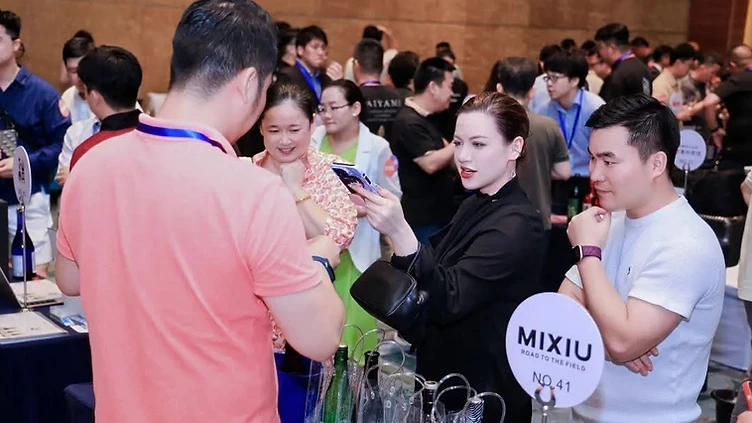
A commercial roadmap for wineries and regional distribution teams looking to break into Qingdao and Shandong Province by aligning with local seafood dining culture, regional corporate hospitality, and structured trade matchmaking.
To build sustainable local demand in Qingdao, international wine brands must move away from generic national rollout strategies and tap directly into the city's unique economic structure. While national volume imports have moderated—with the Spanish Wine Interprofessional Organization (OIVE) reporting China's total wine imports at €1.25 billion across 207.2 million liters in 2025—coastal industrial hubs present resilient, high-margin commercial opportunities. Qingdao stands as Shandong Province's economic engine and maritime gateway. According to Chinese Customs data reported by Vino Joy News in 2024, Shandong consistently ranks among China's top wine-importing provinces, driven heavily by logistics clusters in Qingdao and neighboring Yantai. Rather than relying on passive retail placement, wineries and regional distribution teams must develop localized distributor relationships, configure menus around regional seafood and Lu cuisine pairings, and secure verified wholesale accounts through professional trade platforms like Interwine.
Understanding the Qingdao Market Structure
Qingdao is not Shanghai or Shenzhen. While tier-1 metropolises feature high baseline consumer awareness and specialized Western dining, Qingdao functions through distinct commercial mechanisms. Dominated by maritime logistics, manufacturing, and consumer goods conglomerates, commercial consumption in Qingdao is anchored in business hospitality, banqueting, and private client networking.
Historically, Shandong has served as the industrial backbone of China's domestic wine bottling and logistics operations. However, end-consumer and corporate purchasing in Qingdao have matured significantly. Discretionary spending among mid-to-high net worth individuals remains steady, favoring authenticated, origin-backed bottled imports over anonymous private-label bottlings. For wineries seeking distributor uptake, commercial success hinges on understanding two distinct local segments: corporate banquet gifting and an emerging lifestyle dining sector populated by young professionals.
Teams evaluating coastal market dynamics can review broader regional shifts in consumer segmentation across Market Insights to calibrate their regional target volumes.
The Commercial Playbook: 4 Steps to Build Local Demand
1. Tailor Portfolios to Shandong Gastronomy
Qingdao's food culture is intrinsically tied to premium seafood, shellfish, and robust Lu cuisine flavors. For years, European and New World producers attempted to penetrate Northern China with heavy, highly extracted, oak-dominated red wines suitable only for winter banqueting. In Qingdao, this approach misses substantial warm-season demand.
- High-Acid Whites and Mineral Profiles: Shellfish, cold seafood salads, and steamed flatfish pair seamlessly with crisp, mineral-forward white wines such as Riesling, Chablis, Albariño, Sauvignon Blanc, and dry Pinot Grigio.
- Light to Medium-Bodied Reds: Varieties like Pinot Noir, Gamay, and cool-climate Syrah provide versatile options across braised seafood and roasted meats without overpowering delicate marine flavors.
- Sparkling and Champagne: Celebration dining along Qingdao’s coastal hospitality strip creates consistent demand for traditional method sparkling wines, which act as versatile menu pairings.
Wineries should curate 3 to 5 reference SKUs specifically matched with local dishes to provide regional distributors with an immediate, off-the-shelf sales narrative for local restaurant sommeliers.
2. Activate Tier-2 Regional Distributors Over Speculative Traders
A critical failure point for foreign brands in Northern China is signing broad provincial exclusivity agreements with speculative logistics traders who lack dedicated on-premise sales personnel. While Yantai and Qingdao handle substantial container logistics, much of that trade involves bulk clearance rather than brand incubation.
Exporters must identify specialized local fine-wine merchants, regional wholesalers with direct reach into Qingdao, Jinan, and Weihai, and corporate procurement agencies servicing private enterprises. These partners require protective margin structures, anti-counterfeit traceability, and structured promotional allowances rather than unrealistic volume quotas. Establishing contact with pre-vetted regional distributors is best achieved through structured commercial hubs such as Business Matching services.
3. Establish Structured On-Premise and Private Dining Visibility
Retail shelf space in municipal supermarket chains yields low sell-through rates and high listing costs for unheralded import brands. Instead, commercial teams should prioritize two high-yield on-premise avenues:
- Upscale Seafood Banqueting Venues: Partnering with key restaurants across Shinan and Laoshan districts provides immediate exposure to corporate decision-makers during hosted business meals.
- Boutique Wine Bistros and Hotel Lounges: International hotel chains and modern wine bars in Qingdao provide an educational setting for younger, cosmopolitan professionals who represent recurring lifestyle consumption.
To build long-term brand equity, wineries must equip these venues with staff training kits, customized Mandarin-language tasting notes, and food-pairing menu inserts.
4. Leverage In-Person Masterclasses and Regional Trade Fairs
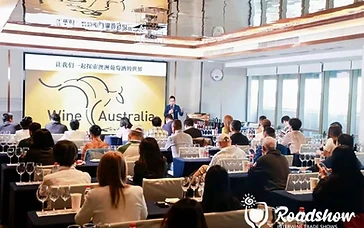
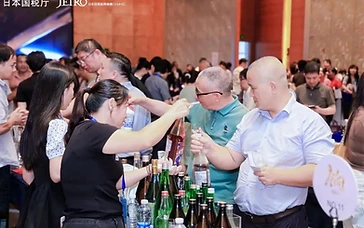
Regional Chinese distributors rarely take on new import portfolios solely through digital pitch decks or cold email campaigns. In-person engagement, professional sensory evaluation, and commercial negotiation remain non-negotiable. Hosting localized masterclasses, distributor-guided tastings, and participating in targeted trade exhibitions enable producers to build direct commercial rapport.
Wineries seeking structured market entry can actively Become an Exhibitor at Interwine, securing face-to-face access to certified beverage buyers, regional distributors, and hotel food-and-beverage managers operating across Shandong and the wider Bohai Economic Rim.
Mitigating Commercial and Distribution Risks in Shandong
Expanding into Qingdao involves several critical risk factors that exporters must address systematically:
- Port Bottlenecks and Custom Compliance: China's General Administration of Customs (GACC) enforces strict food safety, back-label compliance, and additive limits. Wineries must coordinate with freight partners experienced in handling bottled wine declarations at Qingdao Port to prevent demurrage costs.
- Parallel Imports and Gray Market Undercutting: Uncontrolled cross-province distribution can lead to e-commerce discounting, eroding the margins of local on-premise partners. Maintain strict contractual controls and serial tracking per batch to protect your Qingdao distribution partner's profitability.
- Inventory Overhang: Avoid pushing excessive opening orders on regional distributors. Structure sensible payment terms and replenishment cadences to prevent aged inventory from stalling future container orders.
Review past participant showcases in the Exhibitor Directory to understand how international brand managers position diverse varietals within China's regional markets.
Strategic Conclusion and Execution Next Steps
Building local wine demand in Qingdao requires operational discipline, culinary alignment, and selective trade partnerships. Rather than treating Shandong simply as a transit hub, wineries that engage directly with the city’s corporate hospitality network, align portfolios with seafood dining, and support distributor sales staff can capture consistent commercial volumes.
Direct engagement with verified Chinese wine importers and regional buyers remains the fastest route to commercial viability. Prepare your export documentation, refine your regional pricing matrices, and register to Become an Exhibitor to secure dedicated distribution across Shandong and beyond.
Sources
- OEC World: Bilateral Product Trade – Wine in China (https://oec.world/en/profile/bilateral-product/wine/reporter/chn)
- Cambridge University Press / Journal of Wine Economics: What's Happened to the Wine Market in China? by Kym Anderson (https://www.cambridge.org/core/journals/journal-of-wine-economics/article/whats-happened-to-the-wine-market-in-china/EDFEB10E9C05DFC0F7F09114C7D71128)
- WineNews / Spanish Wine Interprofessional Organization (OIVE): Analysis of Chinese Wine Imports 2025 (https://winenews.it/en/china-export-of-wine-breaks-down-but-one-invests-ethica-wines-acquired-interprocom-cantine-divine_584898/)
- Vino Joy News: China's Top 10 Wine Importers in H1 2024 (https://vino-joy.com/2024/08/05/chinas-top-10-wine-importers-in-h1-2024/2)
Key Takeaways
- —Qingdao serves as both a high-volume logistics import corridor and a high-spending regional commercial market within Shandong Province.
- —Portfolio success in Qingdao relies heavily on fresh, high-acid white wines, sparkling selections, and versatile light reds that pair naturally with local seafood and Lu cuisine.
- —Producers should avoid speculative bulk traders and instead partner with dedicated regional distributors serving corporate banqueting and modern on-premise channels.
- —Direct B2B engagement and face-to-face tastings remain critical for winning distributor trust and establishing brand visibility across coastal Northern China.
Frequently Asked Questions
Why is Qingdao an important regional target for wine brands in China?
Qingdao is the economic capital of Shandong Province and one of China's primary maritime import hubs. Its established corporate hospitality, affluent coastal population, and dense seafood dining scene create strong demand for premium imported white, sparkling, and food-friendly red wines.
What wine styles have the greatest commercial potential in Qingdao?
While red wines remain prevalent for formal business banqueting, crisp whites (such as Riesling, Sauvignon Blanc, and Chablis) and sparkling wines perform exceptionally well due to the city's heavy dietary focus on fresh shellfish, seafood, and Lu cuisine.
How do distribution dynamics in Qingdao differ from tier-1 cities like Shanghai?
Qingdao features fewer independent retail wine shops than tier-1 hubs and is heavily driven by relationship-based corporate dining, private commercial client purchases, and targeted on-premise partnerships. Successful brands partner with local distributors who possess direct access to private banquet accounts.
How can international wineries connect directly with qualified wine distributors in Shandong?
Wineries can participate in specialized trade fairs and matchmaking events such as Interwine, allowing producers to hold face-to-face discussions, host structured tastings, and negotiate distribution agreements with certified beverage importers and regional distributors.