How to Find Rosé Wine Importers in China
Discover how to find rosé wine importers in China, identify qualified buyers across Tier-1 and coastal markets, navigate customs compliance, and leverage B2B channels.
To find qualified rosé wine importers in China, overseas producers must target specialized distributors operating in affluent Tier-1 and southern coastal hubs, verify prospective buyers through customs registration databases, and establish direct commercial engagement through targeted trade platforms. Rosé remains an emerging, high-growth niche within a market historically dominated by bold red wines, requiring exporters to identify partners who actively service modern on-trade venues, social e-commerce, and younger urban demographics.
The Rosé Opportunity in China's Shifting Wine Landscape
Historically, China's imported wine sector focused overwhelmingly on red wines, driven by corporate gifting conventions, auspicious cultural symbolism, and the traditional dominance of Bordeaux blends. However, commercial dynamics have undergone structural shifts. As reported by Vinetur (2024), customs import value rose sharply by 31% year-on-year in mid-2024 to $162 million, signaling a rebound in demand centered around premium, distinctive categories after prolonged consolidation.
Rosé wine occupies a dynamic segment of this transformation. Valued for its visual appeal, lower tannins, and versatility, rosé appeals directly to Gen Z and millennial consumers, female professionals, and casual lifestyle drinkers. Rather than competing against entrenched red wine labels in traditional business banqueting, rosé thrives in casual dining, outdoor bistros, rooftop lounges, and modern retail channels across Tier-1 cities such as Shanghai, Shenzhen, and Guangzhou.
Mapping the Rosé Importer Landscape
Wine importers in China do not operate under a uniform distribution model. When seeking partners for rosé, international brands must distinguish between three primary importer profiles:
- Boutique and Lifestyle On-Trade Specialists: These importers supply European bistros, cocktail lounges, boutique hotels, and natural wine bars in lifestyle-driven cities like Shanghai and Chengdu. They prioritize Provence-style pale dry rosés, organic certifications, and distinctive packaging.
- Omnichannel Brand Builders: National or regional houses (such as established operators highlighted by Vino Joy News (2024)) manage balanced portfolios consisting of fine wines alongside fast-moving lifestyle lines. They hold distribution licenses spanning multiple provinces and maintain direct relationships with supermarket chains, premium grocery stores, and corporate clients.
- Social E-Commerce and Digital Retailers: With digital channels capturing over a quarter of Chinese wine retail, specialized cross-border and domestic e-commerce importers focus on platforms like JD.com, Tmall, Douyin, and Xiaohongshu (RED). These buyers demand high visual differentiation, competitive landed margins, and active digital storytelling.
To identify which commercial partners best match your estate's output, review broader market segments in our Market Insights hub.
How to Identify and Verify Rosé Buyers
Finding prospective importers is only the initial step; rigorous due diligence ensures financial viability and regulatory compliance before shipping inventory.
- Verify GACC Registration: Under General Administration of Customs of China (GACC) Decrees 248 and 249, foreign alcohol manufacturers must be registered in the official GACC Single Window system before export. Likewise, your Chinese importer must possess an official import license and custom clearance filing. Verify their business registration via the National Enterprise Credit Information Publicity System.
- Examine Portfolio Fit: Analyze the importer's existing brand catalog. An importer whose entire inventory comprises prestige, heavy reds or mass-market bulk wines may lack the sommelier networks or lifestyle sales channels necessary to activate a dry rosé brand.
- Audit Digital Footprints: A modern distributor operating in the lifestyle wine segment should have active footprints on Xiaohongshu or WeChat Mini-Programs, showcasing tastings, sommelier masterclasses, and retail placements.
Producers seeking vetted commercial meetings can streamline partner discovery through curated Business Matching services.
Overcoming Market-Specific Challenges
Exporting rosé to China requires addressing specific commercial and supply chain realities:
- Landed Cost Calculations and Taxes: Wine imports face compound taxation. As documented in exporter analyses by BestWineImporters (2024), Chinese customs levies an import tariff (typically 14%), Value-Added Tax (13%), and Consumption Tax (10%), collectively adding approximately 45% to 50% on top of the CIF (Cost, Insurance, and Freight) value. Rosé exporters must calculate pricing backwards from target retail shelf points to ensure distributors maintain viable markups.
- Freshness and Cold-Chain Logistics: Unlike age-worthy reds, rosé depends heavily on freshness and acidity. Shipping containers through tropical ports during summer heat without temperature-controlled reefer containers risks irreversible oxidation and color degradation. Contracts should stipulate clear cold-chain freight conditions.
- Consumer Palate Education: While dry rosé dominates Western consumption, sweet or semi-sweet sparkling rosés also appeal strongly to entry-level Chinese wine drinkers. Understanding regional spice profiles—such as the fiery cuisines of Chengdu and Chongqing—enables brands to pitch rosé as an ideal pairing against culinary heat.
Direct Sourcing Platforms and In-Person Engagement
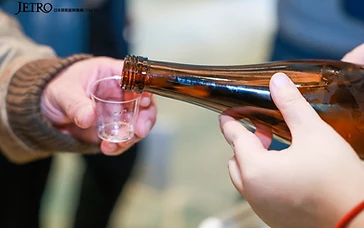
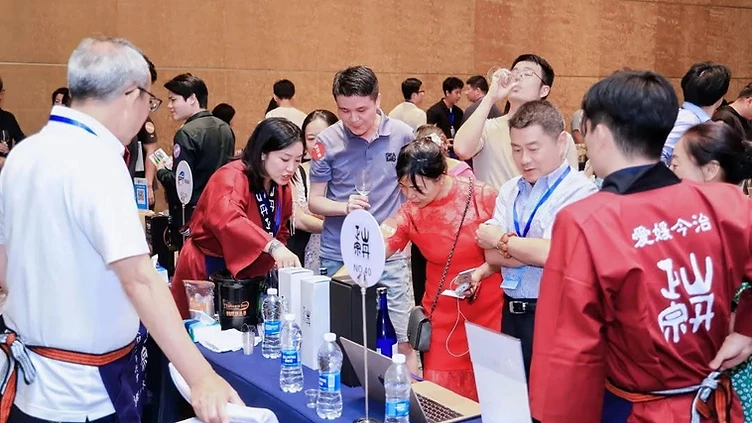
While digital outreach provides initial leads, face-to-face interaction remains vital for cementing business partnerships (guanxi) in China’s commercial culture. Wine buyers, hospitality beverage directors, and regional distributors expect to taste prospective vintages directly before committing container allocations.
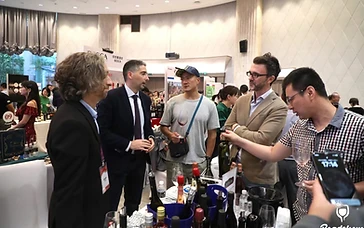
Participating directly in domestic trade exhibitions provides foreign brands with access to pre-screened importers, regional sub-distributors, and regional alcohol associations. If you are preparing to scale distribution across mainland China's dynamic beverage corridors, consider taking a direct presence and Become an Exhibitor at an upcoming Interwine trade fair.
Overseas trade teams can evaluate current industry participants by browsing the Exhibitor Directory, and plan logistics in advance using Arrival and Transportation guides.
Conclusion
Establishing distribution for rosé wine in China requires moving beyond generic mass-market importer outreach. By focusing on coastal urban centers, auditing prospective partners against customs registration benchmarks, and presenting tailored lifestyle value propositions, overseas wineries can capture profitable footholds. Partnering with professional trade platforms and participating directly in regional wine exhibitions bridges the gap between overseas cellars and China's most active beverage distributors.
Sources
- Vinetur: China's Wine Imports Analysis (2024)
- BestWineImporters: A Wine Exporter’s Guide to Chinese Importers (2024)
- Vino Joy News: China's Top Importers Report (2024)
- EU SME Centre: Exporting Wine and Due Diligence in China (2024)
Key Takeaways
- —Rosé in China is primarily a modern lifestyle product appealing to Gen Z, millennial, and female consumers in Tier-1 cities.
- —Target boutique on-trade distributors and social e-commerce operators rather than traditional bulk or red-only importers.
- —Verify potential partners' licensing and GACC Single Window registration compliance before shipping samples or inventory.
- —Factor in China's ~50% cumulative import tax burden when modeling wholesale margins and CIF pricing.
- —Face-to-face tastings and dedicated trade exhibitions remain the most reliable path to closing container orders with Chinese buyers.
Frequently Asked Questions
Is rosé wine growing in popularity in China?
Yes. While red wine historically dominated, rosé has gained steady traction among urban millennials, female professionals, and bistro patrons in Tier-1 cities like Shanghai, Shenzhen, and Chengdu due to its approachable palate and strong visual presence on social media.
What import taxes apply to foreign wine entering China?
Bottled still wine typically incurs an import tariff of approximately 14%, Value-Added Tax (VAT) of 13%, and a Consumption Tax of 10%. Cumulatively, these add roughly 45% to 50% on top of the CIF value.
How do I check if a Chinese wine importer is legitimate?
Verify the company's registration through China's National Enterprise Credit Information Publicity System, confirm they possess an official alcohol distribution license, and verify their customs registration status under GACC regulations.
Which regional markets in China have the highest demand for rosé?
Tier-1 coastal cities, especially Shanghai, Guangzhou, and Shenzhen, represent the largest market for dry and premium rosé due to high concentrations of Western-style on-trade venues. Interior hubs like Chengdu also show strong growth in casual dining and spicy food pairings.