How to Find Bulk Wine Importers in China
Discover how to find bulk wine importers in China. Explore key importing hubs, commercial buyer types, GACC regulatory compliance, and practical negotiation strategies.
To find bulk wine importers in China, international wine suppliers must target regional commercial hubs, partner with licensed domestic bottling facilities, ensure strict customs registration via GACC Decree 248, and participate in verified industry trade platforms. While bulk wine in China represents a specialized segment primarily handled in industrial coastal hubs like Shandong and bonded processing centers, securing reliable purchase contracts demands a strategic blend of digital customs verification, port-level intelligence, and direct face-to-face commercial vetting.
The Strategic Landscape of Bulk Wine in China
Bulk wine—classified under customs tariff codes for containers holding more than 2 liters (principally flexitanks and ISO tanks holding more than 10 liters)—occupies a pragmatic position in China's alcoholic beverage market. Domestic wine producers, large-scale original equipment manufacturers (OEMs), and private-label brand houses utilize imported bulk wine to blend with local vintages, lower production overheads, or package mass-market retail brands domestically.
According to analysis published by Vino Joy News (2024), Shandong Province serves as China's undisputed capital for bulk wine imports. Driven by primary maritime hubs like Yantai and Qingdao, Shandong imported 33.98 million liters of wine in containers exceeding 10 liters during the first half of 2024 alone, far outstripping its bottled intake. Yantai is home to domestic winemaking behemoths like Yantai Changyu Pioneer Wine Co. and China Great Wall Wine Co., establishing an extensive industrial infrastructure dedicated to receiving flexitanks, stabilization, and commercial bottling.
However, market conditions require precision. As reported by Best Wine Importers (2025), bulk wine imports have undergone cyclical pressure, declining by over 60% across certain segments as major players work through historical inventories. Despite shifts in volume, bulk wine remains an indispensable procurement pillar for large commercial blenders aiming to maintain cost-effective price tiers across e-commerce channels such as JD.com and Douyin. To access our deep-dive regional trade statistics, explore our latest Market Insights.
Who Buys Bulk Wine in China? Understanding Buyer Profiles
Finding the right partner begins with segmenting the distinct buyer profiles operating across the People's Republic of China (PRC):
- Domestic Winemaking Giants and Blenders: Producers like Changyu, Great Wall, and Tonghua purchase international bulk wine (predominantly Cabernet Sauvignon, Merlot, and Syrah/Shiraz) to blend with indigenous grapes or to bottle as competitive commercial-tier brand extensions.
- Private-Label OEM Bottlers: Industrial contract bottlers located near major logistics hubs bottle private labels on behalf of local retail chains, supermarket conglomerates, and digital commerce enterprises.
- Regional Importers & Bonded Zone Processors: Trading operations established inside free trade zones (such as Ningbo Bonded Area in Zhejiang Province or the Shanghai FTZ) import bulk wine to execute clean, duty-deferred re-packaging and direct distribution.
Understanding these commercial roles determines whether a producer should pitch bulk varietals focused on aggressive pricing or technical blending specs such as color depth, residual sugar, and volatile acidity.
Practical Strategies: How to Find and Qualify Importers
Reaching active commercial procurement directors requires moving beyond generic directories and implementing systematic outreach.
1. Leverage Port-Level Trade Intelligence and B2B Databases
Customs data and dedicated wine intelligence platforms allow exporters to track container-level trade flows. Platforms such as Best Wine Importers (2025) track international shipments across 160+ countries, offering visibility into active Chinese buyers filtering specifically for flexitank and bulk container declarations. Analyzing bills of lading highlights which companies are consistently clearing tanks through ports like Qingdao, Ningbo, and Guangzhou.
2. Engage Pre-Screened Buyers at Industry Exhibitions
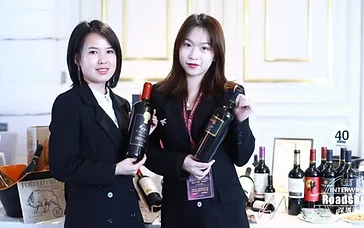
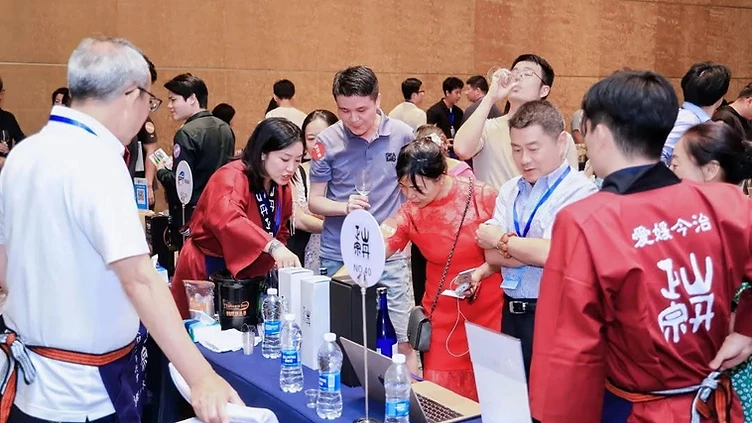
Remote cold outreach rarely closes bulk wine contracts. Chinese beverage executives prioritize long-term corporate relationships (guanxi), operational transparency, and verifiable product supply. The most direct route to secure vetted leads is meeting commercial purchasing managers at focused trade expos. To showcase your bulk portfolio to regional distributors, blenders, and procurement teams, choose to Become an Exhibitor at Interwine.
Exhibiting provides direct access to dedicated Business Matching services, pairing verified domestic OEM brands and blenders with international bulk suppliers based on target grape varietal, volume capability, and target price points.
3. Map Regional Geographic Concentrations
Focus sales efforts where processing infrastructure exists:
- Shandong (Yantai/Qingdao): Industrial winemaking, high-volume flexitanks, blending components.
- Zhejiang (Ningbo Port): Strong bonded processing, agile private-label distribution.
- Guangdong (Shenzhen/Guangzhou): Massive consumer market, regional OEM distribution, and fast-moving e-commerce fulfillment.
Regulatory Requirements and Technical Due Diligence
Exporting bulk wine to China demands strict regulatory adherence to avoid cargo seizure or port customs rejection. According to the U.S. Alcohol and Tobacco Tax and Trade Bureau (TTB) (2025), international beverage suppliers must satisfy precise administrative parameters:
- GACC Registration (Decrees 248/249): All foreign production, processing, and storage facilities sending alcoholic beverages to China must register with the General Administration of Customs of the People's Republic of China (GACC) through the China Import Food Enterprise Registration platform.
- Standardized Chinese Documentation: Shipments must feature certified Certificates of Origin, commercial invoices, packing lists, and laboratory analysis certificates detailing alcohol content, total acidity, sulfur dioxide, and sugar parameters.
- Labeling Standards (GB 7718 and GB 15037): While bulk flexitanks arrive as intermediate goods, accompanying documentation must list the product type, production date, batch details, and mandatory Chinese warning statements ("Excessive drinking is harmful to health"). For complete details on regulatory shifts, check our News and Magazine section.
Commercial Negotiations: Terms, Specs, and Risk Management
Bulk contracts involve high liquid volumes and substantial financial exposure. Successful suppliers implement three operational guardrails:
- Rigorous Pre-Shipment Sample Sign-Off: Chinese bottlers conduct exhaustive internal laboratory tests. Never ship an ISO tank or flexitank until technical parameters (pH, malic acid, free/total SO2, and dissolved oxygen) exactly match the mutually signed pre-shipment sample.
- Incoterms and Transit Protection: Given temperature variations on sea routes entering northern Chinese ports in winter or southern ports in summer, negotiate clear Incoterms (CIF or CFR preferred) and mandate specialized thermal flexitank insulation barriers.
- Structured Payment Terms: Mitigate non-payment risks by requiring an initial telegraphic deposit (e.g., 30% T/T advance) with the balance payable against irrevocable Letters of Credit (L/C) or delivery against shipping documents prior to customs release.
Conclusion: Convert Volume Potential into Long-Term Contracts
Finding bulk wine importers in China demands an analytical, location-specific strategy tailored to domestic blenders and OEM brand owners. By ensuring early GACC registration, evaluating trade data across key ports like Yantai and Ningbo, and engaging decision-makers face-to-face, overseas wineries can secure resilient, high-volume commercial contracts.
Sources
- U.S. Alcohol and Tobacco Tax and Trade Bureau (TTB) - People's Republic of China Import Export Documentation (2025)
- Vino Joy News - China's Top 10 Wine Importers in H1 2024 (2024)
- Best Wine Importers - China Wine Importers and Wine Import Trends Update (2025)
- EU SME Centre - Importing Wine to China: Regulatory Guidelines (2025)
Key Takeaways
- —Shandong Province (Yantai/Qingdao) remains the primary geographic hub for bulk wine entry and bottling in China.
- —Bulk buyers in China consist primarily of large domestic wineries blending with domestic supply and OEM private-label bottlers.
- —Suppliers must secure GACC facility registration under Decree 248 before shipping flexitanks or ISO tanks to Chinese ports.
- —B2B intelligence databases, port shipment tracking, and structured face-to-face exhibitions provide the most qualified leads.
- —Mitigating commercial export risk requires strict pre-shipment laboratory analysis sign-offs, thermal liner protection, and structured L/C payment terms.
Frequently Asked Questions
Which provinces in China import the highest volumes of bulk wine?
Shandong Province is the undisputed center for bulk wine imports in China, particularly through port cities like Yantai and Qingdao. Yantai houses China's largest industrial winemaking facilities, including Changyu and Great Wall, which import flexitanks for domestic bottling and blending.
What regulations must foreign bulk wine suppliers meet before shipping to China?
Suppliers must register their production and storage facilities with the General Administration of Customs of China (GACC) under Decree 248. Each shipment requires a verified Certificate of Origin, detailed commercial documentation, official sanitary certificates, and laboratory test reports confirming compliance with Chinese food safety limits.
What is the typical profile of a bulk wine buyer in China?
Bulk wine buyers in China primarily consist of large domestic wine producers seeking blending components, specialized contract bottling plants producing private-label wines for regional retail chains, and e-commerce brand operators seeking low production costs.
How are bulk wine shipments protected during maritime transit to China?
Bulk wine is transported in 24,000-liter flexitanks or ISO tanks placed inside standard maritime shipping containers. Exporters commonly install thermal insulation liners to protect the cargo from extreme temperature fluctuations encountered during voyages across equatorial zones or during arrival in northern Chinese winters.
How can wine producers verify the legitimacy of a Chinese bulk importer?
Producers should check the importer's official business license via the National Enterprise Credit Information Publicity System, analyze shipment histories using customs trade data, request references from past international suppliers, and arrange in-person meetings at recognized industry trade events.