How Wine Brands Can Find Distributors in Singapore
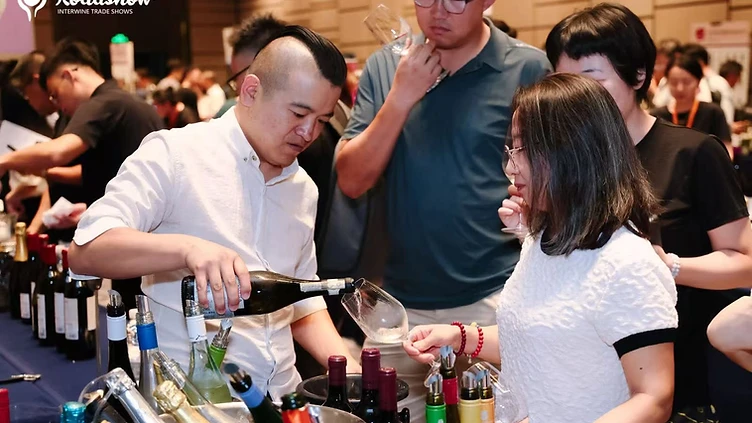
Discover how international wine brands can systematically identify, evaluate, and secure reputable import and distribution partners in Singapore's high-value wine market.
Finding the right distributor in Singapore is one of the most commercially significant decisions an international wine producer can make in Southeast Asia. While the island nation has a modest domestic population of roughly 5.9 million residents, it operates as the undisputed commercial and logistics hub for fine wine across the Association of Southeast Asian Nations (ASEAN). Singapore commands high average bottle prices, sophisticated consumer demographics, and zero domestic grape viticulture, creating a market entirely dependent on imported wines.
However, entering this mature ecosystem presents distinct operational hurdles: intense global competition, stringent regulatory oversight, and selective wholesale networks. To secure a distributor that actively builds your brand rather than letting inventory sit dormant, wine brands must adopt a structured, commercial approach rooted in market data, regulatory compliance, and targeted trade matching.
Understanding the Singapore Wine Market Landscape
Singapore represents a mature, premium-focused wine ecosystem. According to sectoral trade analyses by Agriculture and Agri-Food Canada (2025), premium imported alcoholic beverages in Singapore enjoy consistent demand across hotel, restaurant, and catering (HoReCa) channels, modern retail, and direct-to-consumer specialty platforms. Old World regions—predominantly France and Italy—maintain strong prestige and market share, while New World producers from Australia, New Zealand, and Chile benefit from regional proximity and strong free trade ties.
Unlike markets characterized by sheer volume, Singapore functions on value and brand equity. Consumer purchasing patterns lean heavily toward high-tier dining, premium corporate gifting, private collector reserves, and vibrant independent wine bars. Consequently, Singaporean distributors are rarely looking to bulk up generic portfolios; instead, they seek distinct terroir, credible sustainability certifications, agile pricing margins, and proactive marketing commitment from export partners.
Categorizing Singapore’s Importers and Distributors
To find an ideal commercial partner, wine brands must identify the specific tier of distributor that aligns with their price point, production scale, and route-to-market objectives. In Singapore, distributors broadly fall into three commercial categories:
1. Broadline Importers and Conglomerates
These established entities manage sprawling portfolios of high-volume international commercial brands. They command dominant distribution into major grocery banners (such as FairPrice Finest, Cold Storage, and CS Fresh) and large hospitality groups. While they offer wide distribution, smaller independent boutique wineries often risk becoming lost in their multi-thousand-SKU catalogs without dedicated promotional budgets.
2. Specialized Boutique and Fine Wine Merchants
Firms such as Certain Cellars, Angra Wine & Spirit, The Wine Distribution Co (TWDC), and Le Vigne Wines & Spirits specialize in curated, artisanal, organic, or regional fine wines. These distributors primarily service high-end independent restaurants, boutique hotels, specialty bottle shops, and high-net-worth private client lists. They focus on brand storytelling, educational masterclasses, and targeted on-premise menu placements.
3. Hybrid Wholesalers and Direct-to-Consumer Operators
With the rapid growth of e-commerce and private member clubs, several Singaporean distributors blend traditional wholesale with high-margin digital DTC storefronts and dedicated tasting venues. These operators offer rapid brand visibility and cash flow, making them attractive for modern, design-forward brands entering the market.
Before pitching, brands should consult regional Market Insights to understand how competing labels position their shelf pricing and distributor margins across these segments.
Navigating Singapore's Regulatory and Import Framework
A critical factor in securing a distributor is demonstrating that your brand is export-ready under Singapore’s legal framework. Distributors will quickly reject overseas producers that lack understanding of local compliance requirements, as import errors cause costly delays at the port.
According to Singapore Customs and the Singapore Food Agency (SFA) guidelines updated in 2024, alcohol entering Singapore must comply with precise commercial import mandates:
- Licensing Requirements: Importers must be entities registered with the Accounting and Corporate Regulatory Authority (ACRA), maintain an active Singapore Customs account, and possess a valid Unique Entity Number (UEN).
- SFA Food Safety & Registration: All beverage importers must be registered with the Food Control Division of the Singapore Food Agency to bring food and drink products into the country.
- Mandatory Labeling: As outlined by logistics regulations documented by DHL Express (2024), imported bottles must display the product name, list of ingredients, alcohol by volume (ABV), net content volume, country of origin, and complete contact details of the manufacturer, importer, and distributor.
- Customs Duties & GST: Singapore levies a specific customs excise duty on intoxicating liquors based strictly on the formula: Total Litres × ABV% × Duty Rate (SGD $88 per litre of pure alcohol), plus the prevailing Goods and Services Tax (GST) of 9% (effective 2024). Because this excise formula penalizes higher ABV, low-to-moderate alcohol wines can maintain competitive retail positioning.
Producers who provide comprehensive technical sheets, laboratory analysis reports, and pre-adapted label mockups relieve administrative friction, making their portfolio far more attractive to prospective importers.
Core Channels to Connect with Qualified Singapore Distributors
Finding reputable distributors requires moving beyond cold emails, which yield negligible response rates among saturated Singaporean merchants. Wineries should leverage three proven commercial avenues:
1. Curated Trade Matching Platforms
Direct trade connection programs eliminate the noise of blind outreach. Engaging in curated Business Matching initiatives allows producers to pre-screen distribution partners based on portfolio synergy, creditworthiness, logistics warehousing capabilities, and existing sales channels.
2. Major Regional Wine Exhibitions
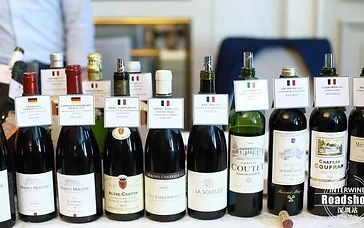
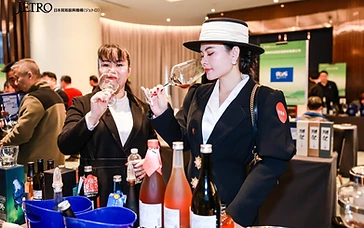
Singapore-based buyers, wine directors, and regional re-exporters actively scout new agencies at leading international trade fairs across Asia. Participating in recognized trade exhibitions allows producers to showcase physical samples directly to procurement officers. Brands preparing their market launches can plan upcoming engagements by reviewing Interwine Events and checking qualified attendance via the Exhibitor Directory.
3. Professional Trade Chambers and Diplomatic Commercial Services
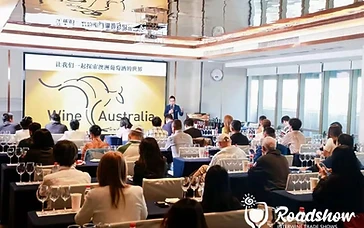
National and regional promotional bodies—such as Business France, the Italian Trade Agency (ICE), Wine Australia, and the Canadian Trade Commissioner Service—regularly host commercial pavilions, reverse trade missions, and localized tasting salons in Singapore. Partnering with your regional agricultural export agency provides institutional backing that enhances buyer trust.
Commercial Evaluation: How to Screen and Select the Right Partner
When speaking with prospective distributors, the evaluation must be mutual. Securing a contract with a distributor who fails to actively deplete stock can lock your brand out of the market due to multi-year exclusivity agreements. When negotiating, screen for the following commercial parameters:
| Evaluation Metric | Key Questions for the Distributor | Commercial Implication | | :--- | :--- | :--- | | Channel Specialization | What percentage of your revenue comes from on-premise (dining) vs. off-premise (retail)? | Prevents placing a premium terroir wine with a supermarket-heavy distributor. | | Cold-Chain Logistics | Do you operate temperature-controlled warehousing and refrigerated transport? | Singapore’s equatorial climate degrades wine rapidly if not held at 14°C–18°C. | | Portfolio Direct Conflicts | Do you currently represent competing labels from my specific region/appellation? | Guarantees your brand will not play second-fiddle to a larger, incumbent estate. | | Re-Export Capacity | Do you distribute exclusively in Singapore, or do you supply regional hubs (Malaysia, Indonesia, Thailand)? | Unlocks broader Southeast Asian distribution through Singapore's bonded hubs. | | Marketing & Staff Support | What is your annual plan for sommelier masterclasses, staff training, and sampling? | Assesses whether the distributor invests in sell-through or relies on brand passive pull. |
Structuring Commercial Agreements for Long-Term Success
Once an aligned partner is identified, the structure of the agency contract determines long-term commercial viable performance. International producers should protect their brand equity through clear contractual provisions:
- Avoid Blanket Exclusivity Without Performance Targets: Never award unconditional multi-year exclusive distribution rights across Singapore or Southeast Asia. Tie exclusivity to clear Minimum Purchase Commitments (MPCs) and annual replenishment thresholds.
- Co-Investment in Marketing Funds (A&P): Effective brand building in Singapore requires structured investment in restaurant staff incentives, pourage fees, and consumer tastings. Establish a defined Marketing Support Agreement (typically 3%–7% of Free-on-Board invoice value) tied to demonstrable promotional activities conducted by the distributor.
- Sample Budgets & Sommelier Engagement: In a dining capital like Singapore, sommeliers and corporate buyers require consistent sample tastings. Specify explicit quarterly sample bottle allowances within the agreement.
Conclusion: Strategic Steps for Market Entry
Securing sustainable distribution in Singapore requires a balanced combination of market awareness, technical compliance, and targeted professional networking. By understanding the excise structure, identifying distributors suited to your product tier, and engaging through structured B2B channels, international wine brands can establish a profitable, high-prestige gateway to Asia. Producers ready to build connections with verified regional buyers can take the next step by exploring strategic trade pathways and scheduling dedicated Business Matching meetings.
Sources
- Singapore Customs – Customs Guide on Valuation, Duties, and Taxes for Alcoholic Beverages (2024): https://www.customs.gov.sg
- Singapore Food Agency (SFA) – Requirements for Import of Food and Alcoholic Beverages (2024): https://www.sfa.gov.sg
- Agriculture and Agri-Food Canada – Sector Trend Analysis: Wine, Beer and Spirits in Singapore (2025): https://agriculture.canada.ca/en/international-trade/market-intelligence/reports-and-guides/sector-trend-analysis-wine-beer-and-spirits-singapore
- DHL Express Logistics Insights – How to Import Wine and Alcohol into Singapore (2024): https://www.dhl.com/discover/en-sg/logistics-advice/essential-guides/importing-alcohol-to-singapore
Key Takeaways
- —Singapore functions as Southeast Asia’s premium wine trade gateway, prioritizing brand equity, value, and on-premise presence over bulk volume.
- —Singapore levies a specific excise duty of SGD $88 per litre of pure alcohol plus 9% GST, directly impacting the final retail price structure.
- —Distributors generally specialize in broadline FMCG retail, boutique/HoReCa channels, or hybrid DTC/private collector networks.
- —Importers must hold an active ACRA company registration, SFA food control permit, and a Singapore Customs UEN.
- —Exclusivity should always be tied to clear Minimum Purchase Commitments (MPCs) and shared marketing co-investments to prevent dormant inventory.
Frequently Asked Questions
What licenses does an importer need to bring wine into Singapore?
An importer must be a business registered with the Accounting and Corporate Regulatory Authority (ACRA), possess an active Singapore Customs account with a Unique Entity Number (UEN), and be registered with the Singapore Food Agency (SFA) Food Control Division.
How are customs duties and taxes calculated for wine in Singapore?
Singapore calculates alcohol excise duty based on pure alcohol content rather than bottle value. The formula is: Total volume in litres × ABV% × SGD $88 duty rate, in addition to the prevailing 9% Goods and Services Tax (GST).
Should a wine brand grant exclusive distribution rights in Singapore?
Exclusivity should only be granted conditionally. Brands should tie exclusive agency agreements to firm Minimum Purchase Commitments (MPCs), specific on-premise penetration targets, and defined performance milestones evaluated annually.
Why is cold-chain storage critical when selecting a Singapore distributor?
Singapore has a tropical, high-humidity climate with year-round temperatures exceeding 30°C. Importers without temperature-controlled (14°C–18°C) bonded warehousing and refrigerated transportation will inevitably suffer product spoilage and quality deterioration.