How to Find Cognac Importers in China
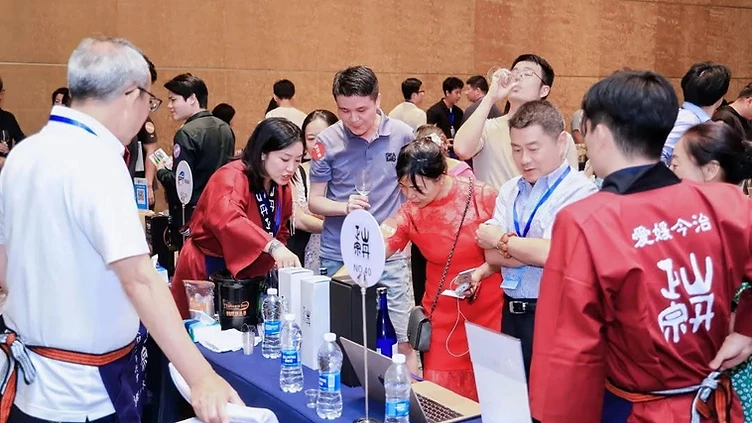
Discover how to identify, vet, and partner with licensed Cognac importers in China amid tariff shifts, regional demand dynamics, and evolving on-trade channels.
Finding the right Cognac importer in China requires navigating shifting tariff frameworks, evolving trade channels, and regional consumer preferences. Cognac producers, artisan distillers, and spirit brand owners must move beyond generic distributor outreach. Successfully securing long-term distribution in mainland China demands rigorous partner qualification, compliance preparedness, and an active physical route to market.
According to the Bureau National Interprofessionnel du Cognac (BNIC) as reported by The Spirits Business in 2025, global exports of Cognac fell by 10.6% in value in 2024, influenced heavily by softening Asian shipments and China's trade measures on European brandy. In July 2025, Reuters reported that China announced anti-dumping duties of up to 34.9% on European Union brandy imports. These fiscal realities mean Chinese buyers have become far more selective. To secure shelf space and on-trade listings, producers must engage verified commercial importers who possess established distribution networks, customs compliance expertise, and proven resilience.
Understanding China's Cognac Distribution Landscape
Cognac distribution in China operates through distinct commercial tiers, each serving specialized end-market segments:
Tier 1: National Brand Houses and Mega-Importers
Large commercial groups—such as major international spirits conglomerates and legacy national trading houses—handle volume distribution. While these entities provide massive geographic reach across Tier-1 cities, they focus almost exclusively on established global mega-brands. Independent distilleries and boutique houses often struggle to secure sales bandwidth in these expansive corporate portfolios.
Tier 2: Regional Specialty Spirits Importers
These distributors focus on specific economic zones, such as the Greater Bay Area (Guangdong, Shenzhen, Hong Kong), the Yangtze River Delta (Shanghai, Zhejiang, Jiangsu), or the Chengdu-Chongqing economic belt. These importers specialize in premium-to-luxury spirits, maintaining direct ties with high-end on-trade establishments, private tasting clubs, and corporate gifting networks.
Tier 3: Direct-to-Consumer and E-Commerce Hybrid Operators
As documented by trade analyses from Asia Pro Distribution in 2026, online retail accounts for approximately 28% of imported alcohol sales in China. Hybrid distributors operate certified flagship stores on platforms like Tmall and JD.com while executing live-stream retail campaigns on Douyin. For mid-tier and emerging Cognac labels (such as VSOP and craft XO expressions), these operators offer immediate digital visibility alongside physical distribution.
To track emerging consumption trends across these tiers, read our continuous updates in Market Insights.
5 Channels to Find Qualified Cognac Importers
Connecting with active, solvent buyers requires a multi-channel sourcing strategy that balances structured digital outreach with in-person engagement.
+-------------------------------------------------------------------------+
|               HOW TO FIND COGNAC IMPORTERS IN CHINA                    |
+-------------------------------------------------------------------------+
                                     |
     +-------------------------------+-------------------------------+
     |                               |                               |
+----+----+                     +----+----+                     +----+----+
| Customs |                     | Trade   |                     | B2B     |
| Records |                     | Fairs   |                     | WeChat  |
+----+----+                     +----+----+                     +----+----+
     |                               |                               |
     | [HS 2208.20]                  | Direct Buyer Meetings         | Verified
     | Active Volume Check           | Pre-Screened Matchmaking      | Trade Circles
     |                               |                               |
     +-------------------------------+-------------------------------+
                                     |
                  +------------------+------------------+
                  |                                     |
             +----+----+                           +----+----+
             | B2B     |                           | Trade   |
             | Ports   |                           | Bodies  |
             +----+----+                           +----+----+
             | Commercial Databases                | BNIC / Business France
             | Regional Importer Lists             | Bilateral Chambers
1. Dedicated Wine and Spirits Trade Exhibitions
Face-to-face evaluation remains the gold standard for alcohol trade in mainland China. Professional exhibitions bring hundreds of pre-vetted regional distributors, provincial wholesalers, and hospitality procurement directors under one roof. When you Become an Exhibitor at an established gateway exhibition like Interwine in Guangzhou, you bypass cold outreach and engage qualified buyers directly seeking new spirit representations. Exhibiting in South China also places brands directly within Guangdong province, historically China's largest regional market for Cognac consumption.
2. Pre-Screened Business Matching Programs
General cold calling produces low response rates in China due to language barriers and platform fragmentation. Utilizing structured Business Matching services connects producers directly with verified spirits distributors based on matching category portfolios, price bands, and regional distribution targets.
3. Chinese Customs and Import Intelligence Databases
Using trade databases tracking HS Code 2208.20 (Spirits obtained by distilling grape wine or grape marc), brand owners can identify which Chinese companies are clearing active shipments. Data intelligence platforms such as Tridge (2026) monitor China's registered customs receivers, providing empirical verification of import activity, transaction frequency, and clearing ports.
4. B2B Trade Directories and Regional Buyer Lists
Specialized industry directories, such as Vino Joy News's "Top 100 Importers" report (2026) and Beverage Trade Network directories, provide vetted registries of active alcohol traders. Filter these registries specifically for spirits and French brandy specialists rather than bulk wine handlers.
5. Bilateral Chambers and Trade Promotion Agencies
Agencies such as Business France, regional French agricultural councils, and Sino-European trade chambers maintain updated registries of licensed Chinese food and beverage importers. They often host targeted roadshows across Tier-1 and Tier-2 commercial hubs.
Due Diligence: How to Vet a Chinese Spirits Importer
Not every company expressing interest has the financial health, legal infrastructure, or sales network to build a brand. Conduct thorough due diligence across four core areas before entering contractual negotiations:
| Evaluation Metric | Verification Step | Red Flag | | :--- | :--- | :--- | | Import Licenses | Confirm business scope on the National Enterprise Credit Information Publicity System (NECIPS). | Missing spirits importation or wholesaling permits. | | Cold-Chain & Warehousing | Inspect physical bonded and duty-paid warehouse operations. | Reliance on unmanaged third-party facilities with no climate control. | | Current Portfolio | Review existing brand alignments and price positioning. | Heavy concentration of direct competitor labels that causes channel conflict. | | Regional Channel Reach | Verify accounts across on-trade (bars/clubs), banquets, and modern off-trade. | Claims of "nationwide distribution" without dedicated regional sub-distributor agreements. |
For additional market evaluation tips and regional trade breakdowns, browse our dedicated News and Magazine archive.
Regulatory, Tariff, and Compliance Essentials
Exporting Cognac to China requires compliance with strict customs and labeling frameworks. Navigating these requirements smoothly requires experienced import partners:
+--------------------------------------------------------------------------+
|                      COGNAC IMPORT TAX STACK (CHINA)                     |
+--------------------------------------------------------------------------+
|  1. Most-Favoured-Nation (MFN) Customs Duty: Base Rate (HS 2208.20)      |
|  2. Anti-Dumping / Provisional Duties: Up to 34.9% (EU Brandy, 2025)     |
|  3. Consumption Tax: Spirits Compound Formula (Ad Valorem + Volume)      |
|  4. Value-Added Tax (VAT): 13% Applied on Tax-Inclusive Value Base       |
+--------------------------------------------------------------------------+
- Tariff Structuring: Importers must clear base customs duties, the standard 13% Value-Added Tax (VAT), and China’s alcohol consumption tax (calculated as a compound formula based on both volume and ad valorem value). Crucially, brandy originating in the European Union has faced revised anti-dumping deposits and definitive duties up to 34.9% starting in July 2025, according to Reuters. Importers must demonstrate solvency and clear customs clearance protocols to handle these cash-flow demands.
- GACC Registration (Decree 248/249): Overseas manufacturing and processing facilities producing spirits must be registered with the General Administration of Customs of China (GACC) through the official Single Window platform before dispatching goods.
- GB Standards & Compliant Labeling: Back labels must be printed in Simplified Chinese, adhering strictly to GB 7718 (Prepackaged Food Labeling) and GB 2758 (Distilled Spirits Standards). Key mandatory fields include Chinese brand name, product classification (Cognac / 干邑), alcoholic strength, net volume, country of origin, bottling date, mandatory health warnings, and the Chinese importer's registered name, address, and contact details.
Regional Differences in Chinese Cognac Demand
China is not a monolithic spirits market. Commercial success hinges on matching your Cognac's aging grade, packaging, and commercial positioning to regional buyer habits:
- Guangdong & The Greater Bay Area: The undisputed commercial capital of Cognac consumption in China. Historically driven by traditional banqueting and Cantonese business culture, buyers in Guangzhou, Shenzhen, and Foshan purchase large volumes of VSOP and prestige XO. They value heritage, classic decanters, and gift-box presentations.
- East China (Shanghai, Hangzhou, Ningbo): The trendsetting hub for cocktail culture and independent on-trade venues. Buyers in Shanghai seek craft, single-estate, and organic Cognacs. Younger urban consumers increasingly consume spirits in speakeasies and Western-style dining venues.
- Southwest China (Chengdu & Chongqing): China's fastest-growing nightlife and leisure market. Importers here focus heavily on high-energy on-trade channels (modern lounges, clubs, live-music venues) where mixable VSOPs and accessible brandies perform well alongside emerging Western spirits.
- Northern China (Beijing, Tianjin, Dalian): A traditional, banquet-led market where corporate gifting and government-adjacent business hospitality dominate. Buyers demand recognizable brand pedigrees and premium prestige expressions.
Action Plan: Steps to Secure Your First Import Agreement
- Establish Brand Assets for China: Register your trademark with the China National Intellectual Property Administration (CNIPA) in Class 33 before circulating commercial sheets. Develop an official Simplified Chinese brand identity and a mobile-optimized WeChat business profile.
- Structure a Transparent Pricing Model: Calculate landed pricing carefully. Factor CIF port charges, standard duties, consumption tax, 13% VAT, anti-dumping provisions, and the distributor's expected gross margin (typically 30–45% for spirits).
- Engage Verified Buyers Face-to-Face: Schedule targeted trips to meet screened buyers. By reserving space to Become an Exhibitor at Interwine, producers gain structured exposure to thousands of verified regional importers, national distributors, and specialty retail buyers ready to expand their premium spirit portfolios.
Sources
- Bureau National Interprofessionnel du Cognac (BNIC) / The Spirits Business (2025) - Cognac exports decline in value amid Asian market adjustments and trade investigations.
- Reuters (2025) - China imposes duties up to 34.9% on European Union brandy and Cognac.
- Tridge (2026) - China Cognac HS Code 220820 import trade data, pricing signals, and customs intelligence.
- Asia Pro Distribution (2026) - Analysis of imported alcohol distribution channels, regional hubs, and digital retail penetration in China.
Key Takeaways
- —Global Cognac exports fell 10.6% in value in 2024 according to BNIC data, making qualified Chinese importer selection more vital than ever.
- —China implemented duties of up to 34.9% on European brandy in July 2025, requiring exporters to work with well-capitalized import partners.
- —Guangdong and the Greater Bay Area remain China's primary hub for high-volume VSOP and luxury XO banquet consumption.
- —Online retail accounts for approximately 28% of imported alcohol sales in China, making hybrid digital-physical distributors prime targets.
- —Foreign spirits facilities must secure GACC registration and comply with Chinese GB 7718 and GB 2758 labeling standards prior to export.
Frequently Asked Questions
What import duties apply to European Cognac entering China?
Cognac (HS Code 2208.20) imported into China is subject to standard Most-Favoured-Nation customs duties, a compound consumption tax (ad valorem plus volume-based), a 13% Value-Added Tax (VAT), and anti-dumping duties of up to 34.9% announced by China on EU brandy in July 2025.
Which province in China consumes the most Cognac?
Guangdong Province and the broader Greater Bay Area represent the largest historical and commercial market for Cognac in China, driven by traditional Cantonese banqueting culture, high corporate gifting demand, and mature business dining networks.
What regulatory filings are mandatory before shipping Cognac to China?
Foreign distilleries and bottling facilities must secure overseas manufacturer registration with the General Administration of Customs of China (GACC) under Decrees 248/249. Shipments must also feature Chinese back labels compliant with GB 7718 and GB 2758 regulations.
How do independent Cognac producers compete against the major commercial houses in China?
Independent and single-estate houses succeed by targeting Tier-2 regional specialty importers, craft cocktail bars in cities like Shanghai, boutique online retailers, and private tasting clubs looking for distinctive terroir stories rather than mass-market volume.
What is the most direct way to meet verified Cognac buyers in China?
Participating as an exhibitor at dedicated international wine and spirits exhibitions such as Interwine in Guangzhou provides direct access to pre-screened importers, regional distributors, and hospitality procurement decision-makers across South China and beyond.