Why Brazilian Wineries Should Exhibit at Interwine
Discover why Brazilian wineries and export groups should exhibit at Interwine China. Learn how South American sparkling wine, Serra Gaúcha terroir, and winter viticulture match China's booming premium beverage distribution channels.
Brazilian winemakers and export consortiums face a strategic turning point: while domestic consumption is rising and wine and sparkling wine exports jumped 26.14% to $13.3 million in 2025 according to industry export reporting released by Vinetur (2026), global portfolio diversification remains essential. For wineries seeking to establish commercial footprints in Asia, mainland China represents one of the highest-potential avenues for high-margin, differentiated wines. Positioning Brazilian labels in front of qualified importers, wholesalers, and on-premise buyers requires an established B2B conduit. To capture qualified distribution without navigating fragmented regional markets alone, commercial teams must understand why Brazilian wineries should exhibit at Interwine.
Organized by Canton Universal Fair Group Ltd. since 2005 at the China Import and Export Fair Complex in Guangzhou, Interwine stands as China's dedicated professional wine and spirits exhibition. Guangdong province alone accounts for more than 60% of all wine imported into mainland China, providing South American producers with immediate access to tier-one national distributors, luxury hotel procurement directors, and duty-free channel operators.
The Commercial Context: Brazil's Export Momentum
Brazil has established international recognition for premium sparkling wine (espumante), distinctive terroir-driven reds, and innovative high-altitude winter viticulture. According to Vinetur's 2026 report on international beverage trade performance, Brazilian wine and sparkling wine exports surged by 26.14% in 2025, driven by global demand for Brazilian sparkling wines produced via traditional and Charmat methods. Furthermore, research published by Grand View Research (2026) projects that Brazil's broader wine sector revenue will reach US$ 30,440.3 million by 2033, expanding at a compound annual growth rate of 10%.
Despite this momentum, Brazilian wine exports remain concentrated in regional corridors such as Mercosur and select North American markets. Expanding into mainland China allows commercial wineries and regional promotional groups—such as Wines of Brasil—to counter seasonal fluctuations and capitalize on mainland China's preference for South American wines. With Chilean and Argentine labels already firmly established across Chinese supply chains, Brazilian producers offer professional buyers what they seek most: a fresh, untapped South American narrative characterized by high quality, gastronomic flexibility, and competitive pricing.
For export heads seeking direct trade meetings, exploring options to become an exhibitor provides direct entry to this evolving commercial ecosystem.
Aligning Brazilian Viticulture with Chinese Buyer Preferences
Mainland China's beverage consumption patterns are undergoing a structural shift toward premiumization, sparkling categories, and natural, certified wines. Brazilian producers possess specialized viticultural strengths that align directly with these buying trends.
Sparkling Wine Dominance (Espumante)
Brazilian sparkling wines from regions like Pinto Bandeira and Vale dos Vinhedos in Serra Gaúcha hold international awards for their balanced acidity, crisp fruit profile, and fine perlage. In southern China's coastal cities—including Guangzhou, Shenzhen, and Zhuhai—culinary traditions emphasize fresh seafood, Cantonese banqueting, and celebratory dining, where sparkling wines fit naturally. Chinese corporate gifters and high-end restaurant buyers increasingly look for boutique alternatives to standard European appellations.
Double-Pruning and "Winter Wines"
Brazil's viticultural innovation of double pruning (poda invertida), practiced extensively in the Serra da Mantiqueira and São Paulo highlands, enables winter harvests under dry, sunny days and cool nights. This technique yields concentrated Syrah, Cabernet Franc, and Sauvignon Blanc varieties. Chinese trade buyers value compelling technical stories and food-friendly structures, making these winter wines standout additions to distributor portfolios.
The Cachaça Cross-Selling Multiplier
Brazilian distilleries also benefit from exhibiting alongside wineries. According to Brazil's Ministry of Agriculture annual data cited by Vinetur in 2026, Brazilian cachaça production reached 292.4 million liters in 2024 (a 29.58% year-over-year increase), with 7,223 registered labels. China's cocktail bars, international hotel lounges, and trendy bistro channels actively seek craft spirits. Brazilian estates producing both wine and artisanal cachaça can double their commercial appeal to spirits wholesalers across China's major consumer centers.
To see current sector trends and market movements, exporters can consult Interwine's market insights.
Why Interwine Provides Strategic Access to South China
Southern China represents the primary economic hub for alcoholic beverage imports. Selecting the right trade show dictates return on investment, regulatory compliance speed, and distributor relationship quality.
+-------------------------------------------------------------+
|         Strategic Trade Architecture at Interwine           |
+-------------------------------------------------------------+
| 1. Geographic Gravity                                       |
|    Located in Pazhou Complex, Guangzhou: center of >60%     |
|    of mainland China's imported wine logistics footprint.   |
|                                                             |
| 2. Pre-Qualified Distribution Channels                     |
|    Direct access to regional wholesalers, boutique chains,  |
|    and on-premise procurement teams from 40+ cities.        |
|                                                             |
| 3. Structured B2B Matching                                  |
|    Targeted tasting appointments eliminating cold outreach  |
|    through dedicated business matching sessions.            |
+-------------------------------------------------------------+
Guangdong as the Engine of Imported Alcohol
Guangdong Province serves as the logistical gateway for imported wines into the Greater Bay Area (Guangdong-Hong Kong-Macao) and inland China. Interwine's official historical event documentation (2018) and trade records confirm that Canton Universal Fair Group Ltd. organizes exhibitions spanning up to 50,000 square meters at the Canton Fair Complex, bringing together thousands of importers, hospitality groups, and retail distributors from over 40 Chinese cities. Exhibiting in Guangzhou places Brazilian wineries directly adjacent to China's highest concentration of alcoholic beverage clearance agents and bonded warehouses.
Targeted B2B Networking and Masterclasses
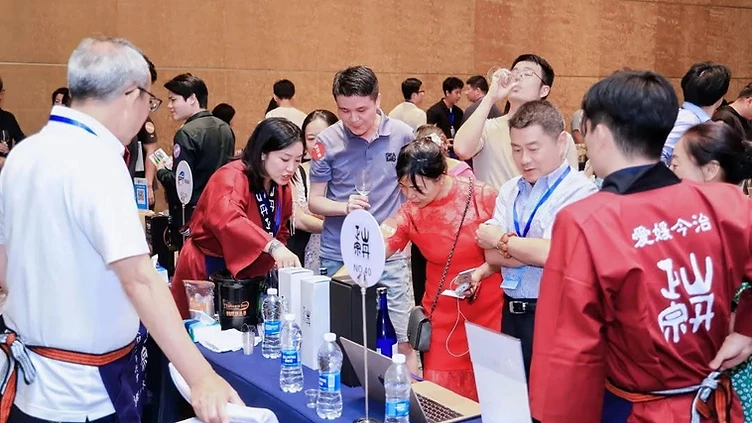
Unlike consumer festivals, Interwine operates strictly on a B2B framework. The fair coordinates specialized business matching meetings, connecting overseas brand principals directly with vetted importers who hold active import customs licenses and established warehousing. Participating wineries can also host dedicated masterclasses, where Brazilian oenologists and brand representatives educate trade professionals and master sommeliers on regional appellations such as Vale do São Francisco and Serra Gaúcha.
Wineries planning event schedules can review upcoming activities via the Interwine events calendar.
Practical Market Entry Decisions, Logistics, and Risks
Entering the Chinese wine market requires rigorous operational execution. Brazilian commercial export managers should evaluate several critical operational factors before shipping exhibition pallets:
- Labeling and Customs Compliance (GACC): Brazilian wineries must register their production facilities with the General Administration of Customs of China (GACC) through the official Single Window platform before commercial shipments depart. Exhibition samples require specific customs declaration protocols, which Interwine's appointed forwarding partners facilitate.
- Pricing Structure and Margin Realism: China's distribution tiers often involve regional sub-distributors, wholesalers, and retail operators. Exporters must calculate FOB costs, CIF ports of entry, customs tariffs, consumption tax, and VAT to ensure their suggested retail price (SRP) remains competitive against South American competitors while preserving distributor margins.
- Intellectual Property Protection: Registering Chinese trademarks (both direct phonetic translations and stylized brand marks) before exhibiting is critical. Brand theft remains a practical risk if proprietary marks are left unprotected prior to commercial exposure.
- Sample Management and Follow-Up Strategy: Successful brand launches depend on structured sample distribution. Qualified inquiries collected during the trade fair require immediate bilingual follow-up, digital technical sheets on WeChat, and clear minimum order quantities (MOQs).
Conclusion: Capitalizing on the First-Mover Advantage
While European and neighboring South American wine regions possess established distribution channels in China, Brazilian viticulture holds a distinct first-mover advantage among importers looking to refresh their portfolios. With Brazilian wine and sparkling wine exports expanding by over 26% internationally in 2025 according to Vinetur (2026), commercial wineries have proven their international competitiveness.
Exhibiting at Interwine connects Brazilian producers with mainland China's most active beverage distribution network in Guangzhou. By pairing world-class sparkling wines, unique winter harvest reds, and craft cachaça with structured business matching, Brazilian producers can build resilient, lucrative trade partnerships. Secure your presence by registering to become an exhibitor today.
Sources
- Vinetur (2026). Brazilian Wine and Cachaça Exports Surge as Industry Celebrates Trade Fair Milestone in Paris. https://www.vinetur.com/en/amp/2026021396309/brazilian-wine-and-cachaca-exports-surge-as-industry-celebrates-trade-fair-milestone-in-paris.html
- Grand View Research (2026). Brazil Wine Market Size & Outlook, 2026-2033. https://www.grandviewresearch.com/horizon/outlook/wine-market/brazil
- Interwine China / Canton Universal Fair Group Ltd. (2018). Interwine China Official Event & Market Profile. http://www.interwine.org/en/h-nd-33.html
Key Takeaways
- —Brazilian wine and sparkling wine exports expanded by 26.14% in 2025 to reach $13.3 million, demonstrating rising international market competitiveness.
- —Guangdong Province accounts for over 60% of all wine imported into mainland China, making Interwine in Guangzhou an optimal regional entry point.
- —Brazilian sparkling wines (espumante) and double-pruned winter viticulture offer fresh, high-margin portfolio differentiation for Chinese wine importers.
- —Dual-category producers can leverage Brazil's growing artisanal cachaça market (producing over 292 million liters in 2024) to capture on-premise mixology channels.
- —Interwine facilitates pre-vetted B2B business matching and masterclasses, streamlining customs, registration, and distribution negotiations.
Frequently Asked Questions
Why should Brazilian wineries focus on the South China market?
Guangdong Province and the Greater Bay Area process over 60% of mainland China's imported wine. The region has the highest concentration of licensed importers, bonded storage facilities, and affluent on-premise hospitality accounts receptive to premium New World and South American wines.
What Brazilian wine styles perform best with Chinese buyers?
Traditional method and Charmat sparkling wines (espumante) from Serra Gaúcha and Pinto Bandeira perform well due to their freshness and gastronomic pairing with Cantonese cuisine. Full-bodied reds and high-altitude 'winter harvest' Syrah and Cabernet Franc also appeal to collectors and premium corporate gifters.
Can Brazilian distillers exhibit cachaça at Interwine alongside wine?
Yes. Interwine features dedicated spirits exhibition zones. With Brazilian cachaça production reaching over 292 million liters in 2024, exhibiting artisanal and wood-aged cachaça provides immediate access to high-end cocktail bars, hospitality groups, and specialty beverage wholesalers in China.
What regulatory approvals do Brazilian wineries need before shipping samples to China?
Wineries must be registered with China's General Administration of Customs (GACC) through the Single Window system. Interwine provides designated freight-forwarding partners and regulatory guidance to manage temporary customs clearance and exhibition sample declarations.
How does Interwine facilitate direct commercial distributor matching?
Interwine pre-screens trade visitors and hosts scheduled one-on-one business matching sessions. Wineries also have the opportunity to organize dedicated masterclasses and educational tastings led by recognized sommeliers to build brand awareness directly among regional distributors.