
How Mexican Wineries Can Find Importers in China
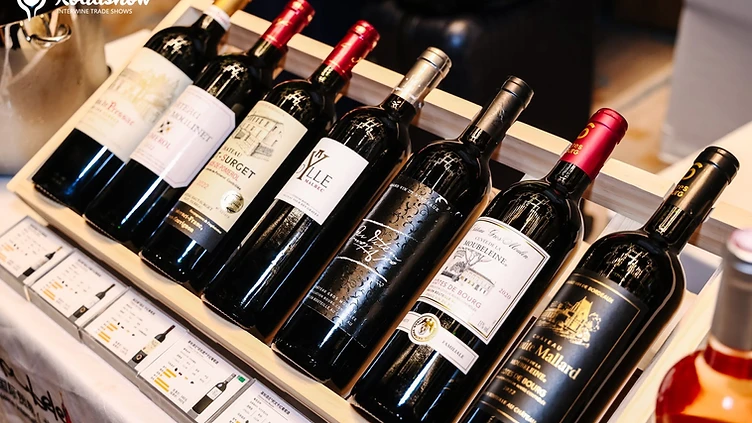
A commercial roadmap for Mexican wineries seeking Chinese importers, detailing market segmentation, regional distribution hubs, compliance realities, and face-to-face partner matching.
To find reliable importers in China, Mexican wineries must target specialized, mid-sized niche distributors rather than mega-volume conglomerates, position their bottles within the expanding premium and gastronomic segments, and conduct structured face-to-face commercial vetting. Entering China requires shifting away from generic commodity competition toward an origin-driven narrative anchored in the unique terroirs of Baja California’s Valle de Guadalupe, Coahuila’s Parras Valley, and Querétaro.
Navigating China’s consolidated import ecosystem demands strict regulatory compliance with the General Administration of Customs of China (GACC), commercial adaptability, and proactive participation in regional trade ecosystems where verified buyers assemble.
Understanding the Chinese Wine Market Landscape
China’s wine sector has undergone structural realignment. Importers are moving away from speculative volume acquisitions toward focused, margin-protective portfolios.
According to an industry analysis by Vino Joy News (2024), the total number of active bottled wine importers in China contracted to 4,175, with companies importing less than US$10 million annually accounting for more than 82.3% of the country’s total wine import value. Small operators importing between US$1 million and US$5 million represent 52.4% of the market. This structural shift is advantageous for Mexican producers. Mexican wineries typically operate at boutique-to-medium output and cannot compete with Chilean or Spanish bulk volumes. Instead, their natural commercial partners in China are dynamic, medium-sized distributors and specialized fine-wine merchants looking for differentiated offerings.
Furthermore, market research published by BestWineImporters (2025) shows deep market polarization: the mid-market segment has compressed, while demand has split between affordable everyday drinking and distinctive, premium labels driven by personal consumption, dining, and specialized retail. As documented by Vino Joy News (2026), traditional business banquet consumption has evolved into individual and gastronomic consumption, expanding the scope for diverse varietals, crisp whites, and regional stories.
The Strategic Positioning of Mexican Wine in China
Mexican wine represents an emerging discovery category in Asia. For an importer, introducing Mexican labels requires an educational narrative, but it also delivers high exclusivity and shelter from predatory online price wars.
                    MEXICAN WINE VALUE PROPOSITION IN CHINA
  ┌────────────────────────────────────────────────────────────────────────┐
  │                            CATEGORY STATUS                             │
  │           Emerging Discovery Terroir / New World Heritage              │
  └───────────────────────────────────┬────────────────────────────────────┘
                                      │
          ┌───────────────────────────┴───────────────────────────┐
          ▼                                                       ▼
  ┌───────────────────────────────┐       ┌───────────────────────────────┐
  │     COMMERCIAL ADVANTAGES     │       │       TARGET CHANNELS         │
  │  • Premium pricing resilience │       │  • High-end on-trade & bistros│
  │  • Zero domestic price-cutting│       │  • Boutique wine bars (Tier 1)│
  │  • Deep gastronomic pairing   │       │  • Independent specialty retail│
  └───────────────────────────────┘       └───────────────────────────────┘
1. Highlighting Historical Terroir and Heritage
Wineries should emphasize that Mexico hosts the oldest commercial viticultural history in the Americas (dating back to Parras Valley in the late 16th century), combined with the modern, high-elevation, maritime viticulture of Baja California. Importers respond to authentic heritage that can be communicated easily to private clients and sommeliers.
2. Pairing with Contemporary Gastronomy
As noted in trade trends highlighted by BestWineImporters (2025), pairing wine with diverse cuisines is an expanding engagement method in Chinese Tier-1 and Tier-2 metropolises. Mexican Nebbiolo, Cabernet-Tempranillo blends, and crisp Chenin Blancs pair exceptionally well with spiced, rich dishes found across Northern Chinese cuisine, Sichuan gastronomy, and modern fusion dining.
To understand evolving buyer preferences and tailor commercial pitches to local palates, producers can consult curated Market Insights.
Identifying the Right Tier of Chinese Importer
Targeting the largest state-owned conglomerates or high-volume distributors rarely works for boutique Mexican producers. Massive houses prioritize millions of liters of staple varietals from established origins like France or Australia. Instead, Mexican wineries should focus on specific, qualified profiles:
- Boutique Fine Wine Specialists: Importers such as Ruby Red Fine Wines, founded in 2007, build curated portfolios focused on high-end, limited-production wineries from Europe and the Americas, marketing directly to private clients and premium restaurants.
- Gastronomy-Focused Distributors: Companies like Summergate Fine Wines and East Meets West Fine Wines (EMW) have built nationwide distribution networks across China by prioritizing partnerships, category leadership, and strong on-premise sommelier education, as detailed in industry reviews by Beverage Trade Network.
- Regional Independent Wholesalers: Smaller distributors based in secondary coastal hubs (such as Shenzhen, Xiamen, and Qingdao) or fast-growing inland provincial capitals (such as Chengdu and Wuhan) are actively seeking exclusive brands that their regional competitors do not have.
Reviewing established industry participants in an Exhibitor Directory can help export managers benchmark which profiles represent competing New World origins.
Geographic Entry: Strategic Distribution Hubs
China is not a monolithic market. A targeted regional approach prevents wasted marketing expenditure and aligns with established logistics lines.
                     CHINA REGIONAL DISTRIBUTION HUBS
  ┌────────────────────────────────────────────────────────────────────────┐
  │ GREATER BAY AREA (Guangdong, Shenzhen, Hong Kong, Macau)               │
  │ • Highest per-capita wine consumption in mainland China               │
  │ • Proximity to bonded freeports; sophisticated sommelier culture       │
  ├────────────────────────────────────────────────────────────────────────┤
  │ YANGTZE RIVER DELTA (Shanghai, Hangzhou, Ningbo, Nanjing)              │
  │ • Trendsetting bistro culture, natural/boutique wine openness          │
  │ • Highest concentration of fine wine importers and corporate buyers    │
  ├────────────────────────────────────────────────────────────────────────┤
  │ INLAND GROWTH METROPOLISES (Chengdu, Chongqing, Changsha)              │
  │ • Thriving leisure, nightlife, and modern dining scenes                │
  │ • Strong demand for distinctive, premium imported lifestyle goods      │
  └────────────────────────────────────────────────────────────────────────┘
The Greater Bay Area (Guangdong Hub)
Southern China, anchored by Guangzhou and Shenzhen, remains the operational heartbeat of imported wine consumption. Importers in Guangdong benefit from long-standing international trade traditions, proximity to bonded warehousing, and access to an affluent consumer base that values beverage experimentation.
The Yangtze River Delta (Shanghai Hub)
Shanghai is the commercial showcase of China's wine trade. It possesses the densest network of independent wine bars, Western dining venues, and boutique distributors. Introducing Mexican wine here builds immediate prestige, which helps when expanding outward into Jiangsu and Zhejiang provinces.
Emerging Inland Capitals
Cities like Chengdu (Sichuan) have emerged as consumption centers with younger demographics, vibrant dining cultures, and growing curiosity toward unique imported beverages. Importers in these regions face less direct competition than their coastal peers and often show greater dedication to promoting new brands.
Regulatory, Customs, and Compliance Prerequisites
Before initiating commercial discussions, Mexican wineries must prepare technical and administrative documentation to ensure commercial feasibility.
GACC Decree 248 Registration
Under GACC Decree 248 (in effect since January 1, 2022), all overseas food and beverage production facilities must be registered with the General Administration of Customs of China before shipping goods. Wine producers can submit their facility registration via the China Import Food Enterprise Registration system (CIFER). Shipments arriving without a valid CIFER registration number on inner and outer packaging will be rejected at the port of entry.
Chinese Back-Label Compliance (GB 7718)
Labels must adhere to Chinese National Food Safety Standard GB 7718 and GB 15037 (Wine). Mandarin back-labels must state the true product name, net content, alcohol percentage, production date, shelf-life (or storage requirements), country of origin, importer/distributor contact details in mainland China, and allergen declarations (such as added sulfites) printed in simplified Chinese characters.
Trademark Protection (First-to-File Rule)
China enforces a strict "first-to-file" intellectual property legal framework. Mexican wineries must register both their Roman-alphabet brand name and a carefully chosen Chinese phonetic or conceptual trademark with the China National Intellectual Property Administration (CNIPA) prior to sending commercial samples. Failing to secure trademarks exposes wineries to trademark squatting, which can block importation at the border.
Sourcing Channels: Finding and Vetting Chinese Importers
Cold email campaigns yield minimal results in China due to language barriers, spam filters, and cultural preferences for relationship-based trade. Successful wineries employ a multi-channel commercial pipeline.
                     SUPPLIER-TO-IMPORTER PIPELINE
  ┌─────────────────────┐
  │ TRADEMARK & GACC    │  Secure Chinese IP and CIFER registration.
  └──────────┬──────────┘
             ▼
  ┌─────────────────────┐
  │ PHYSICAL TRADE FAIRS│  Present wines directly at premier exhibitions.
  └──────────┬──────────┘
             ▼
  ┌─────────────────────┐
  │ PRE-VETTED MATCHING │  Participate in curated B2B matchmaking sessions.
  └──────────┬──────────┘
             ▼
  ┌─────────────────────┐
  │ DUE DILIGENCE       │  Verify customs import licenses and sales channels.
  └─────────────────────┘
1. In-Person Trade Exhibitions in Southern China
Face-to-face interaction remains essential for establishing commercial trust (guanxi) in China’s wine industry. Direct tastings are critical for an unfamiliar region like Mexico, as importers will not take on commercial exposure without verifying sensory quality, bottle presentation, and the producer's dedication to the territory.
To connect with verified regional distributors, provincial wholesalers, and hospitality buyers, Mexican estates can Become an Exhibitor at established national platforms such as Interwine in Guangdong. Exhibiting places your wines in front of targeted regional buyers actively seeking international portfolio novelties.
2. Structured B2B Matchmaking Services
Navigating thousands of buyers requires commercial curation. Utilizing dedicated Business Matching services allows wineries to hold pre-scheduled, 1-on-1 meetings with vetted importers whose portfolio gaps, distribution channels, and price points match the winery's export parameters.
3. Diplomatic and Export Association Synergy
Wineries should coordinate with ProMéxico legacy export groups, the Mexican Embassy in Beijing, and consular offices in Guangzhou and Shanghai. Organizing national pavilions alongside associations like the Consejo Mexicano Vitivinícola (CMV) reduces standalone promotional overhead and elevates national visibility.
Practical Vetting and Due Diligence Checklist
When a Chinese distributor expresses intent to sign an exclusive distribution agreement, Mexican wineries must conduct thorough commercial due diligence before shipping stock:
- Verify Import Licensing: Confirm the buyer holds an active business license with registered foreign-trade import rights and customs filing (Customs Declaration Registration Certificate).
- Examine Core Distribution Channels: Does the importer focus on e-commerce, modern retail, corporate group gifting, or high-end dining? Mexican wines fit best within on-trade and boutique corporate channels; mass retail models often fail due to lower pricing margins.
- Assess Payment Terms: Standard international trade practices for new-to-market brands recommend working on a 100% Telegraphic Transfer (T/T) basis (e.g., 30% deposit upon contract signature, 70% balance paid against Bill of Lading copy prior to customs clearance) or an irrevocable Letter of Credit (L/C) at sight. Avoid providing open-account credit terms during initial shipments.
- Define Territory Exclusivity Carefully: Avoid granting blanket "Mainland China Exclusivity" to a regional company. Grant exclusivity strictly on a province-by-province basis, tied directly to quarterly minimum purchase milestones.
Conclusion
Breaking into the Chinese wine ecosystem offers strong long-term commercial upside for Mexican wineries willing to approach the market methodically. By targeting small-to-mid-sized fine wine importers, securing IP and GACC registrations early, emphasizing distinct gastronomic and cultural stories, and directly meeting professional buyers at focused trade expos, Mexican producers can turn their boutique scale into a distinct market advantage.
Sources
- Vino Joy News (2024). Here Are China's 50 Top Wine Importers. https://vino-joy.com/2024/05/27/here-are-chinas-50-top-wine-importers
- BestWineImporters (2025). China Wine Importers and Wine Import Trends 2025 Update. https://www.bestwineimporters.com/blog/news/china-wine-importers-and-wine-import-trends-2025-update
- Beverage Trade Network (2020). Interview with Ian Ford, Summergate Fine Wines. https://beveragetradenetwork.com/en/article-base/articles/china-uncovered-interview-with-one-of-the-largest-wine-importers-in-china-330.htm
- Vino Joy News (2026). What China’s Top Wine Importers Are Saying About CNY Demand. https://vino-joy.com/2026/02/11/what-chinas-top-wine-importers-are-saying-about-cny-demand
Key Takeaways
- —Target mid-sized and boutique distributors who manage 82.3% of China's wine import volume, avoiding large bulk-focused conglomerates.
- —Position Mexican wines in premium on-trade dining, specialized wine bars, and corporate gifting where unique terroir commands healthy margins.
- —Prioritize key economic regions starting with Guangdong and the Greater Bay Area, Shanghai, and high-growth cities like Chengdu.
- —Ensure strict compliance with Chinese regulatory requirements, including GACC Decree 248 facility registration, GB 7718 back-label rules, and early trademark filings.
- —Engage buyers through verified, in-person wine trade fairs and pre-scheduled B2B matchmaking sessions rather than cold digital outreach.
Frequently Asked Questions
What makes Mexican wine commercially appealing to Chinese importers?
Mexican wine appeals to Chinese importers seeking high-margin, differentiated products that stand out from commoditized Old and New World brands. Importers in Tier-1 and Tier-2 cities value the boutique production scale, distinctive terroir of regions like Valle de Guadalupe and Parras, and compatibility with modern gastronomy, which shields retailers from aggressive online price erosion.
What regulatory hurdles must Mexican wineries clear before exporting to China?
Producers must register their production facilities under GACC Decree 248 via the CIFER online portal to obtain a China Customs registration number. Shipments must also feature simplified Chinese back labels complying with GB 7718 and GB 15037 standards, and wineries should secure Chinese trademarks through CNIPA prior to shipping commercial samples.
Should Mexican wineries grant national exclusivity to a single Chinese importer?
In most cases, no. China is an expansive, fragmented market comparable to continental Europe. Unless a national importer commits to substantial minimum purchase volumes backed by upfront payment, wineries should grant exclusivity regionally (such as the Greater Bay Area or East China) tied to strict annual sales performance targets.
Which Chinese cities offer the highest potential for Mexican wines?
The highest potential lies within the Greater Bay Area (Guangzhou, Shenzhen) due to high per-capita wine consumption and sophisticated logistics, Shanghai for its vibrant bistro and independent wine-bar culture, and fast-growing inland provincial hubs such as Chengdu, where lifestyle and dining spending is expanding rapidly.
What is the most effective way for Mexican wine brands to meet vetted Chinese buyers?
Attending established in-person trade expos in key distribution centers like Guangzhou, participating in organized B2B business matching programs, and collaborating with national pavilions via trade associations represent the most effective pathways to build trust and close contracts with qualified buyers.