Interwine Guide to Guided trade tastings
A commercial guide for international wineries and export managers on structuring, presenting, and converting guided trade tastings at Interwine into high-value distribution contracts.
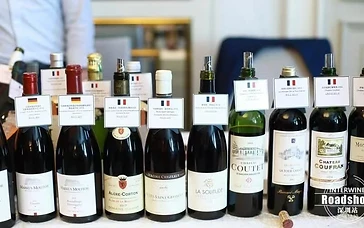
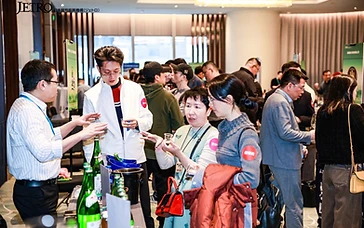
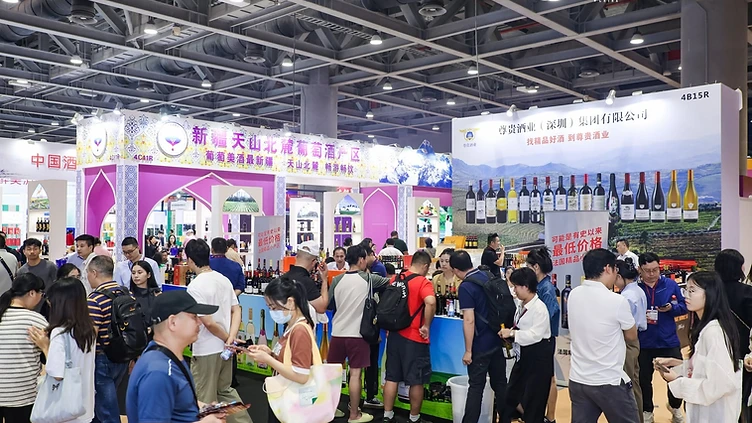
For international wineries, estates, and export consortia entering Asian markets, generic open-pour exhibition tables often yield high sample turnover but low commercial conversion. A guided trade tasting fundamentally changes this dynamic: it converts passive hall traffic into an intensive, structured presentation where commercial terms, portfolio positioning, and sensory differentiation are communicated directly to verified trade buyers. By synchronizing origin narratives, pricing architecture, and channel suitability within an orchestrated tasting session, producers can filter casual tasters and establish concrete commercial relationships with regional distributors.
According to trade insights documented in SevenFifty Daily (2023), preparation, structured buyer engagement, and dedicated professional venues remain the primary drivers separating positive trade show ROI from wasted sample budgets. This guide outlines how international brands can leverage Interwine Events and curated guided sessions to secure regional import agreements in mainland China.
The Strategic Value of Guided Tastings in China's B2B Wine Market
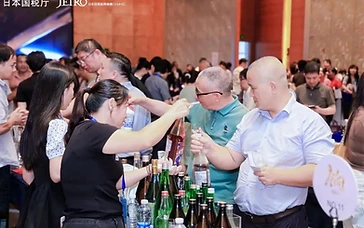
Chinese regional distributors, on-premise beverage directors, and retail category managers evaluate imported wines through strict commercial parameters: landing price, channel exclusivity, margin buffers, brand stability, and suitability for local banquet or dining occasions. While free-pour stands attract foot traffic, they rarely allow the 20 to 30 minutes of uninterrupted dialogue required to establish distribution mechanics.
Structured, guided trade tastings deliver distinct commercial advantages:
- Audience Filtering and Qualification: Only verified decision-makers—such as regional wholesalers, duty-free buyers, corporate procurement leads, and sommelier directors—are invited into masterclasses and private tasting salons.
- Contextual Storytelling: Rather than pouring wine in isolation, winemakers and export ambassadors can present geographic indications, climate nuances, cellar techniques, and vintage characteristics within a controlled sensory setting.
- Channel-Specific Positioning: Producers can explicitly detail channel allocations, demonstrating which Stock Keeping Units (SKUs) belong in high-end on-premise hospitality versus specialized regional retail.
Producers seeking to maximize exhibition presence should evaluate participation via Become an Exhibitor to integrate guided tasting programming into their trade-fair schedule.
Designing the Flight: Portfolio Architecture and Commercial Logic
An effective trade tasting does not present an estate's entire range chronologically; it presents a strategic business proposal through sensory stages. Most guided sessions at Interwine operate within 45- to 60-minute windows, accommodating five to six carefully sequenced SKUs.
[Introductory SKU: Regional Hook]
   │
   ▼
[Commercial Anchor: High-Volume Engine]
   │
   ▼
[Differentiating SKU: Style & Innovation]
   │
   ▼
[Estate Flagship: Prestige & Value Allocation]
1. The Regional Hook (1 Wine)
A crisp, expressive entry-point SKU (such as an unoaked indigenous white or a refreshing sparkling wine) designed to calibrate buyer palates, introduce the regional terroir, and establish quality benchmarks.
2. The Commercial Volume Anchor (1–2 Wines)
Red varietals or commercially proven blends that align with mainland market taste preferences. According to Tastewise consumer intelligence reporting in Wine Marketing Strategy (2026), data-driven claim optimization and mapping wines to specific consumer drinking occasions significantly improve commercial retail acceptance. Highlight technical balance, rounded tannins, and competitive Free on Board (FOB) or Cost, Insurance, and Freight (CIF) price points.
3. The Prestige / Flagship Showcase (1–2 Wines)
Limited-production single-vineyard bottlings, aged reserves, or iconic cuvées. This segment anchors brand prestige, demonstrates cellar potential, and appeals to private-client collectors, executive gifting, and high-end restaurant wine lists.
Operational Execution: Masterclass and Salon Logistics
Flawless technical execution is essential when presenting to professional wine buyers. Inadequate glassware, incorrect serving temperatures, or missing technical documentation will detract from the perceived value of your portfolio.
| Technical Parameter | Standard Specification | Trade Impact | | :--- | :--- | :--- | | Glassware | Lead-free crystal; universal or varietal-matched | Maximizes aromatic definition and signals brand prestige | | Temperature Control | Whites/Sparkling: 8–10°C; Reds: 16–18°C | Prevents alcohol heat and preserves balanced acidity | | Pacing | 7–8 minutes per wine; 15-minute Q&A | Maintains buyer focus and allows active commercial inquiries | | Tasting Slips | Bilingual (English & Simplified Chinese) with FOB/CIF tiers | Enables real-time purchasing annotations during the flight | | Spit Cups & Water | Individual opaque dump cups; neutral mineral water | Facilitates professional evaluation across multiple flights |
For foreign producers organizing regional shipments and sample compliance, Interwine's operations provide full support. According to the Interwine Exhibitor Manual (2024), official forwarding partners—such as BEX Logistics, APT Showfreight, and Guangzhou Citgo—manage bonded transport and customs agility into mainland exhibition halls, preventing critical sample delivery delays.
Buyer Engagement and In-Session Negotiation Tactics
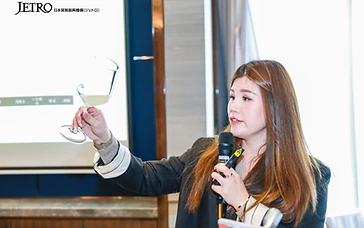
At Interwine, guided sessions should be led by either the winemaker, an export director, or a certified bilingual sommelier educator. While discussing soil profiles and vinification is necessary, the presentation must tie technical quality back to commercial viability.
When presenting each SKU, address the three questions regional distributors prioritize:
- What is the supply continuity? Confirm annual case production, export allocations for Asia, and vintage-to-vintage volume stability.
- Where does this sit against category benchmarks? Position your wine clearly against known competitor appellations, highlighting quality-to-price ratios.
- What marketing and brand-building collateral is provided? Clarify allowances for in-market marketing, tasting samples, sales staff incentives, and bilingual Master of Wine (MW) endorsements.
Exhibitors can coordinate target audience invitations directly through Business Matching and schedule one-on-one negotiation follow-ups immediately following the session.
Post-Tasting Lead Conversion: Moving from Palate to Contract
A guided tasting generates warm leads, but those leads decay quickly without a structured post-event protocol. The distribution agreement is rarely signed inside the tasting room; it is finalized during post-session follow-up.
- Immediate Contact Consolidation: Collect WeChat contacts and business cards systematically. Note specific SKU interest, projected order volumes, and target sales channels on the reverse of each card.
- Bilingual Commercial Packs within 24 Hours: Dispatch digital sell sheets containing technical data sheets, high-resolution bottle photography, logistics data (cases per pallet, container loading specs), and tiered pricing schedules.
- Sample Allocation for Evaluation Committees: Serious regional importers require secondary sample bottles for their internal buying committees. Ensure reserve inventory is retained at your exhibition booth for immediate handover.
- Reviewing Market Trends: Ground your follow-up pitch in verified macro consumer demand shifts by reviewing trade updates on Market Insights.
By treating guided tastings as a high-precision commercial channel rather than an educational lecture, international brands consistently achieve higher distribution placements across Tier-1 and Tier-2 Chinese markets.
Sources
- Interwine Exhibitor Manual (2024) — Operational regulations, official logistics providers, and on-site event services.
- SevenFifty Daily (2023) — Strategic framework and ROI optimization for international wine trade exhibitions.
- Tastewise Food & Beverage Intelligence (2026) — Consumer demand patterns and data-backed B2B wine portfolio marketing.
Key Takeaways
- —Guided trade tastings filter casual show visitors, placing your wine directly in front of qualified importers, wholesalers, and on-premise buyers.
- —A commercial tasting flight should balance approachable regional styles with high-volume anchors and prestige flagships to address diverse channel needs.
- —Bilingual technical sheets displaying explicit FOB/CIF pricing frameworks convert sensory interest into active commercial negotiations.
- —Seamless execution requires coordinated logistics, managed temperature control, professional glassware, and fluent bilingual moderation.
- —Rapid follow-up within 24 to 48 hours—reinforced with secondary evaluation samples—is critical to closing import distribution agreements.
Frequently Asked Questions
What is the primary difference between open-booth pouring and a guided trade tasting?
Open-booth pouring caters to general trade hall traffic with brief, informal interactions. A guided trade tasting is a seated, curated session focused on a qualified audience of buyers, allowing winemakers to present technical characteristics, commercial tiers, and channel fit without distraction.
How many wines should be included in a 45-minute commercial guided tasting?
The ideal flight contains five to six wines. This allows roughly seven to eight minutes per wine to cover tasting notes, terroir, packaging, and commercial pricing, leaving a 10- to 15-minute buffer for professional buyer questions and initial business inquiries.
Who should host the guided tasting at Interwine?
The most effective tastings are co-hosted by the winery's export director or winemaker alongside a fluent, bilingual (English and Mandarin) certified sommelier or wine educator who understands Chinese trade purchasing dynamics and can translate technical terminology accurately.
Should pricing be shared during a guided trade tasting session?
Yes. Serious importers and distributors evaluate wines based on their landed margin potential. Providing clear FOB or CIF pricing tiers on technical tasting sheets enables buyers to immediately determine if an SKU fits their target distribution channel.
How does Interwine support wineries conducting masterclasses and tastings?
Interwine provides dedicated masterclass conference spaces, professional audio-visual setups, tasting glassware, spittoons, ice buckets, and logistics coordination through approved freight forwarders to ensure samples arrive in pristine condition.