Interwine Guide to Exhibition logistics
Master wine exhibition logistics for Interwine: an end-to-end operational guide covering customs clearance, CIQ compliance, reefers, and booth delivery.
For international wineries, estates, and spirits producers expanding into China and Asia-Pacific markets, exhibition success is determined long before the first cork is pulled. The true operational hurdle is exhibition logistics: navigating cross-border customs regulations, multi-tiered testing protocols, duty assessments, and end-to-end cold chain integrity. Shipping exhibition samples is fundamentally different from moving standard commercial containers; sample consignments face strict timelines where even a 48-hour customs delay can mean missing the exhibition opening entirely.
Executing seamless transport for trade events requires mastering regulatory standards, calculating landed sample expenses, preserving organoleptic properties through thermal protection, and coordinating onsite freight drayage. Wineries looking to secure importer partnerships must treat trade fair freight forwarding as a high-stakes operational priority.
Understanding the Regulatory Landscape: GACC and CIQ Compliance
Transporting wine samples across Chinese borders requires compliance with General Administration of Customs of China (GACC) mandates and Entry-Exit Inspection and Quarantine (CIQ) procedures. Wineries must distinguish between temporary importation under an ATA Carnet and sample clearance with payment of duties and Value Added Tax (VAT).
Under GACC Decrees 248 and 249, implemented in 2022, overseas food and beverage manufacturing facilities must hold active GACC registration numbers to export goods to China. When samples are shipped for trade fairs, customs authorities evaluate cargo declarations to confirm that overseas wineries meet biosecurity and traceability requirements. Consignments designated as "Tasting Samples" (not intended for retail distribution) still require precise documentation, including a Certificate of Origin, Certificate of Analysis (Oenological Analysis), Commercial Invoice, and Air Waybill (AWB) or Bill of Lading (B/L).
If wines are cleared through standard duty-paid importation rather than temporary bond, exporters encounter China's multi-layered alcohol tax structure, comprising customs import duty (governed by Most Favoured Nation tariffs or bilateral Free Trade Agreements), Consumption Tax (10%), and VAT (13%). Coordinating documentation with an authorized domestic consignee or the trade show’s designated freight partner prevents paperwork discrepancies that cause border detention.
Timeline and Critical Milestones for Interwine Logistics
Executing wine trade fair shipping demands a reverse-scheduled operational calendar. A rushed shipment significantly increases airfreight costs and the risk of customs holds during pre-event trade peaks.
| Phase | Timeline | Critical Action Items | | :--- | :--- | :--- | | Phase 1: Planning & Allocation | 16–20 Weeks Pre-Show | Select wine portfolio; verify GACC registration; initiate freight partner booking; confirm sample quotas. | | Phase 2: Documentation | 12–14 Weeks Pre-Show | Issue Certificates of Origin, lab analyses; prepare translated bilingual commercial invoices and packing lists. | | Phase 3: Freight Dispatch | 8–10 Weeks (Ocean) / 4–5 Weeks (Air) | Handover cased goods to freight forwarder; initiate thermal reefer booking or express air cargo routing. | | Phase 4: Customs Clearance | 2–3 Weeks Pre-Show | GACC declaration filing, CIQ commodity inspection, tariff payment or bond lodgement at the port of entry. | | Phase 5: Onsite Drayage | 2–3 Days Pre-Show | Transfer from bonded/customs warehouse to exhibition venue floor; verify booth location and unpack samples. |
For major trade gatherings, producers should Become an Exhibitor early to secure assigned booth numbers, which are required on all shipping marks, master carton labels, and forwarder bills.
Cold Chain Logistics and Thermal Protection
Wine is a perishable luxury asset. Its aromatic profile, volatile acidity, and phenolic equilibrium are vulnerable to thermal fluctuations during transport. When shipping from European, Australian, South American, or South African origins into Southern China, wine passes through distinct climate zones, exposing cargo to ambient temperatures exceeding 35°C (95°F) at maritime hubs or air cargo tarmacs.
According to technical guidance in DHL Express's Wine Shipping Guide (2024), temperature stabilization and resilient inner-packaging materials are necessary to prevent heat stress, oxidation, cork push, or ullage seepage. For consolidated sea freight, wineries should mandate active refrigerated containers (reefers) maintained between 12°C and 16°C. When airfreighting high-value prestige cuvées or competition lots, producers should use passive cold-chain systems, such as thermal container liners, metallized polyethylene insulation blankets, and custom expanded polystyrene (EPS) or pulp bottle shippers with integrated data loggers.
Equally important is post-transit bottle shock recovery. Consignments must arrive at the venue city at least 7 to 10 days before the fair opens, allowing the wine's dissolved oxygen balance and chemical equilibrium to stabilize before trade buyers evaluate the vintage.
Sample Volume Optimization and Booth Drayage
Calculating sample quantities balances product availability against the expense of shipping unpoured inventory. Underestimating volume leads to empty display stands during peak afternoon buyer traffic, while overestimating inflates freight, duty, and disposal costs.
To calculate required bottles per Stock Keeping Unit (SKU), apply the standard tasting allocation formula:
$$\text{Total Bottles per SKU} = \left( \frac{\text{Expected Qualified Tasters per Day} \times \text{Pour Size (ml)} \times \text{Event Days}}{750\text{ ml}} \right) + \text{Buffer Contingency}$$
For a standard three-day event, a producer pouring 40 ml tastes to roughly 35 targeted buyers daily requires:
(35 × 40 × 3) / 750 = 5.6 bottles. Rounding up and adding a 30% buffer for unscheduled meetings, VIP masterclasses, and cork taint contingencies yields 8 to 9 bottles per SKU. If presenting a portfolio of five SKUs, shipping 4 cases (48 bottles) provides balanced coverage.
Once goods arrive at the exhibition complex, advance warehouse drayage logistics take over. Official event forwarders clear consignments into holding warehouses and coordinate final indoor haulage to the assigned stand space. Overseas brand ambassadors should verify logistical milestones and arrival details through the official Exhibitor Directory and review event timelines in Interwine Events.
Regulatory Documentation and Labeling Compliance
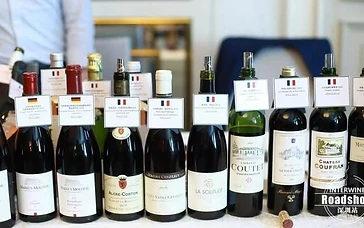
Customs rejections frequently stem from minor paperwork discrepancies between the physical bottle label and the accompanying import declaration. Chinese customs officials require that all information on the front and back labels matches the laboratory analysis report.
Exhibition samples imported for display without retail distribution may qualify for label exemptions, but standard sample clearances generally require over-stickering or bilingual back labels declaring:
- Commercial product designation and wine type (e.g., Dry Red Wine)
- Net content volume (e.g., 750ml)
- True alcoholic strength by volume (ABV %)
- Full ingredient list, explicitly identifying raw grape materials and sulfur dioxide/sulfites (SO2)
- Country of origin, vintage year, and region
- Importer/distributor contact details or designated exhibition consignee name
- Proper storage recommendations
Ensure that testing reports issued by ISO 17025 accredited enological laboratories cover mandatory chemical indices, such as total sulfur dioxide, volatile acidity, copper content, and synthetic colorants. Having digital and stamped hard copies on hand avoids bonded warehouse storage fees.
Budgeting and Freight Forwarding Options
Selecting the right freight model involves balancing delivery speed, cost, and risk:
- Consolidated Official Fair Reefer Forwarding: The event organizer contracts a licensed freight provider that consolidates samples from global hubs into dedicated temperature-controlled reefers. This provides cost-effective shipping and managed customs entry, though it requires early cargo dispatch dates.
- Direct Express Courier: Services like DHL or FedEx offer door-to-booth handling for smaller sample volumes (1 to 2 cases). While rapid, couriers require a licensed Chinese entity to act as the Importer of Record to process CIQ clearances and pay taxes.
- Domestic Release via Established Partners: Producers with existing local partners can arrange domestic delivery from bonded distribution hubs, avoiding cross-border shipping risks. Brand owners can track regional distribution routes via Market Insights and align shipments with local distributor networks.
Before shipping, map out landed sample costs, including origin freight pickup, air/sea line-haul, customs clearance administration, import duty/tax prepayments, terminal handling fees (THC), and venue drayage.
Executing Your Exhibition Logistics Plan
Exhibition logistics requires systematic operational control. A well-planned logistics workflow ensures that your wines arrive on the tasting table in peak organoleptic condition, protected from temperature spikes and cleared through customs on schedule. Producers that master these operational steps protect their brand equity and trade show return on investment.
Review your exhibition objectives, calculate sample requirements, and align with qualified logistics partners well ahead of the show. To secure your stand, access designated forwarder consolidations, and engage directly with pre-screened Asian wine buyers, visit Become an Exhibitor and finalize your registration.
Sources
- DHL Express NZ Wine Shipping Guide (2024)
- General Administration of Customs of the People's Republic of China (GACC)
- Wine Institute Technical Export Trade Data
- SevenFifty Daily Trade Show Logistics Guide (2023)
Key Takeaways
- —Exhibition wine samples require strict compliance with GACC Decrees 248/249 and entry clearance protocols to avoid customs impoundment.
- —A standard ocean reefer timeline requires initiating logistics 16–20 weeks pre-event, while airfreight mandates 4–6 weeks minimum runway.
- —Active cold-chain management (maintaining 12°C–16°C) is essential across transit to prevent heat-induced oxidation and preserve wine quality.
- —Sample budgeting formulas must incorporate pour allocations (30–40 ml), daily visitor flow, and buffer stock for masterclasses and bottle shock contingencies.
- —Accurate lab analyses matching bottle labels prevent customs delays at the port of entry.
Frequently Asked Questions
Can I carry wine exhibition samples directly in personal passenger luggage?
Commercial samples cannot clear standard personal luggage lanes without formal declaration. Chinese customs enforce strict biosecurity and import quantity caps on personal alcohol allowances (typically limited to 1,500 ml for duty-free entry). Any volume beyond this requires formal customs declaration, commercial documentation, and CIQ clearance. Hand-carrying unapproved samples risks seizure and confiscation at border security.
How long do wine samples need to rest after arrival to recover from bottle shock?
Wines subjected to long-haul international air or ocean transit experience bottle shock caused by physical vibration and pressure fluctuations. Samples should arrive at the host city venue or climate-controlled warehouse at least 7 to 10 days before exhibition uncorking to settle aromas, stabilize dissolved gasses, and restore balance.
What documentation is mandatory for shipping wine samples to Interwine?
Every consignment requires a commercial invoice stating 'Sample Bottles for Exhibition Purposes Not for Commercial Sale', a packing list with bottle volumes and weights, a Certificate of Origin issued by your regional trade authority, and an accredited Certificate of Oenological Analysis covering alcohol by volume, sulfur levels, and acids.
What is the primary difference between ATA Carnet and sample duty payment?
An ATA Carnet permits temporary duty-free importation of goods intended to be re-exported out of the destination country intact. Because wine samples are consumed during tastings and cannot be re-exported, they do not qualify for carnet clearance and must undergo standard sample entry with applicable duties and consumption taxes paid by the consignee.