Common Guided trade tastings Mistakes International Wine Brands Should Avoid
Discover the critical guided trade tasting mistakes international wine brands must avoid to win over professional buyers, protect margin, and drive commercial distribution.
For international wineries entering competitive global export markets, a guided trade tasting is rarely an educational lecture—it is an audition for commercial distribution. The primary error international wine brands make during guided trade tastings is treating professional B2B buyers like tasting-room tourists. Presenting poetry, romantic harvest anecdotes, and technical soil trivia instead of unit economics, margin potential, and import compliance derails qualified distributor interest before the first flight is even finished.
According to reporting on winery trade exhibition strategies from SevenFifty Daily (2023), commercial exhibitors routinely commit upwards of $5,000 to tens of thousands of dollars in travel, booth space, and sample logistics to engage global buyers. When brands fail to execute targeted masterclasses and structured tastings, that capital expenditure yields zero purchase orders. Avoiding the most common guided trade tastings mistakes international wine brands should avoid ensures that your masterclass, walk-around panel, or private room tasting converts into sustainable off-take and signed distribution agreements.
Mistake 1: Leading with Vineyard Romance Instead of Commercial Viability
Professional importers, chain retail category managers, and regional beverage directors sit through dozens of guided tastings during major trade exhibitions. While terroir and philosophy matter for fine wine nuance, commercial buyers evaluate portfolio fit through a disciplined business lens.
Consumer and trade intelligence from Tastewise B2B Wine Marketing Insights (2025) highlights that successful brands win retail and on-premise listings by arriving with a structured sell-in story supported by real market demand rather than subjective category assumptions.
Common missteps include:
- Spending 20 minutes on generational history, family lineage, and weather patterns during harvest.
- Failing to mention Free On Board (FOB) pricing, Ex Works (EXW) tiers, or estimated landed costs.
- Concealing retail margin structures or failing to show suggested retail price (SRP) tiering.
A guided trade tasting must balance wine attributes with channel positioning. State clearly whether the wine targets independent fine dining, high-volume banquet hospitality, regional specialty retail, or e-commerce subscription platforms.
Mistake 2: Curating an Impractical or Overwhelming Flight Architecture
Wineries often attempt to pour their entire historical range—spanning entry-level varietals to library reserves—during a single 45-minute guided tasting session. This sensory overload leads directly to palate fatigue and commercial ambiguity.
As educational trade guidelines from the Wine & Spirit Education Trust (WSET) Survival Guide to Wine Trade Shows emphasize, trade participants must navigate hundreds of samples, making structured, disciplined tasting approaches critical. When brand presenters pour seven to ten heavy, high-alcohol wines in quick succession, professional tasters lose the ability to discern nuance, structure, and balance.
The Strategic 4-to-6 Bottle Flight Rule
Limit trade masterclass flights to no more than four to six commercially distinct bottles. Structure the tasting logically to tell a deliberate market expansion story:
- The Volume Anchor: An accessible, benchmark expression showing regional typicity, approachable pricing, and reliable vintage availability.
- The Category Differentiator: A single-vineyard, organic, or low-intervention SKU that satisfies emerging consumer trends.
- The Premium Benchmark: A flagship wine demonstrating cellar longevity, critical acclaim, or prestigious appellation standing that elevates overall brand equity.
- The Market-Specific Opportunity: A dedicated SKU addressing specific regional consumer habits (such as distinct residual sugar profiles, alternative packaging, or lower ABV demands).
Mistake 3: Overlooking Service Temperature, Glassware, and Sample Logistics
Nothing damages an importer's perception faster than serving oxidized samples from bottles uncorked three days prior, or pouring structured reds at 26°C exhibition hall room temperatures.
Logistical and technical missteps that undermine guided tastings include:
- Temperature Disasters: Serving full-bodied reds warm—which accentuates volatile alcohol and suppresses fruit aromatics—or chilling complex oak-aged whites to near-freezing temperatures, which deadens the nose and magnifies harsh acidity.
- Incorrect Glassware: Using small, thick-rimmed utility glasses for aromatic, high-acid, or tannic varietals that require precise bowl volume for aeration.
- Travel Shock: Pouring bottles that arrived via air freight less than 48 hours prior, causing bottle variation, muted aromatics, and flattened palates.
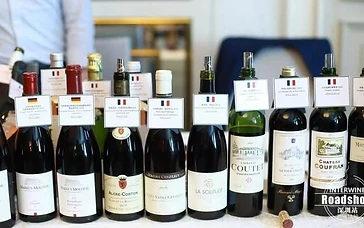
To safeguard tasting integrity, work with on-site organizers well before the show opens. Reserve professional glassware, secure commercial refrigeration or chilling buckets, and allow samples to rest in climate-controlled storage before the session begins. Exploring specialized exhibition features via Interwine Events allows international producers to coordinate certified sommeliers and technical staff capable of managing service pacing.
Mistake 4: Presenting Without Localized Market and Regulatory Fluency
A common guided trade tasting mistake among exporting wineries is presenting a product line without understanding the specific import hurdles of the target country. Buyers are hesitant to fall in love with a product only to discover that the producer has not factored in domestic labeling regulations, additive limits, customs tariffs, or import licensing.
For example, wine shipments entering mainland China must comply with strict Customs Tariff and National Food Safety Standards (GB standards) enforced by the General Administration of Customs of China (GACC), including explicit ingredient declarations and registered producer credentials. If an overseas producer cannot confirm whether their back label is pre-vetted or whether their production facility holds active foreign establishment registration, commercial buyers will walk away.
Before taking the podium or leading a trade panel:
- Confirm your winery's export registration credentials for the target territory.
- Understand standard logistics lead times, container consolidation practices, and shipping lanes.
- Review regional distribution models by checking our Market Insights to understand how domestic distributor markups impact your target shelf price.
Mistake 5: Poor Audience Qualification and Disorganized Follow-Up
A guided tasting room packed with general wine enthusiasts will not yield commercial container orders. International brands frequently fail to qualify their audience, welcoming walk-ins without vetting whether the attendee possesses importing authority, regional wholesale licenses, or on-premise buying influence.
Equally detrimental is the lack of a standardized lead-retrieval and post-event follow-up engine. In the whirlwind of trade fairs, business cards gathered in a glass bowl often sit untouched for weeks. By the time the winery team returns to Europe, South America, or Oceania, buyer enthusiasm has evaporated.
Converting Tasting Attendees into Active Accounts
To capture tangible ROI from every seated attendee, execute a systematic protocol:
- Pre-Qualify Attendees: Coordinate with show organizers and leverage targeted Business Matching services to invite verified wine importers, provincial distributors, and chain retail procurement heads.
- Digital Commercial One-Sheets: Provide every participant with an instant digital deck featuring high-resolution bottle photography, logistics data (cases per pallet, container loading configurations), certifications, and EXW/FOB price sheets.
- The 48-Hour Follow-Up Cadence: Dispatch individualized follow-up correspondence within 48 hours of tasting completion, citing specific notes discussed during the session, and confirming sample dispatches for broader buying committees.
Maximize Guided Tasting ROI at Interwine
Guided trade tastings represent one of the most powerful conversion instruments in global wine marketing when executed with commercial discipline. By aligning flight architecture, technical serving standards, regulatory preparedness, and professional follow-up, international wine brands can turn a simple tasting session into long-term commercial distribution contracts.
To present your winery directly to vetted importers, leading regional distributors, and hospitality procurement leaders across mainland China and the wider Asian wine market, Become an Exhibitor at the upcoming Interwine trade exhibition. Secure your masterclass slot, reserve dedicated tasting pavilions, and scale your brand's international footprint.
Sources
- SevenFifty Daily, "A Winery Guide to Trade Show Success" (2023) - https://daily.sevenfifty.com/wine-trade-show-guide-wineries/
- Tastewise, "B2B Wine Marketing: Strategic Growth and Trend Validation in 2026" (2025) - https://tastewise.io/blog/wine-marketing
- Wine & Spirit Education Trust (WSET), "Survival Guide to Wine Trade Shows" (2017) - https://www.wsetglobal.com/knowledge-centre/blog/2017/march/14/survival-guide-to-wine-trade-shows
Key Takeaways
- —Treat guided trade tastings as commercial business presentations rather than romantic consumer cellar-door lectures.
- —Limit masterclass flights to 4 to 6 strategic bottles to prevent palate fatigue and maintain clear portfolio differentiation.
- —Provide clear Ex Works (EXW) and Free On Board (FOB) price structures alongside suggested retail margin projections.
- —Ensure strict service controls: correct varietal glassware, rested bottles, and proper serving temperatures.
- —Understand destination-specific customs compliance, labeling rules, and facility registrations before pitching buyers.
- —Implement an automated 48-hour commercial follow-up system with digital logistics specification sheets.
Frequently Asked Questions
How many wines should an international brand pour during a guided trade tasting?
International brands should pour between 4 and 6 wines during a 45- to 60-minute trade masterclass. Pouring more leads to sensory overload and buyer palate fatigue, obscuring commercial differentiation and pricing discussions.
What information do commercial wine buyers expect during a guided tasting?
Professional buyers expect clear Ex Works (EXW) or Free On Board (FOB) pricing, minimum order quantities (MOQ), case-per-pallet logistics, target retail margins, production volume, and confirmation of regulatory compliance alongside organoleptic wine notes.
How can wineries avoid travel shock in tasting samples at overseas trade shows?
Ship commercial samples at least 2 to 3 weeks ahead of the exhibition via specialized temperature-controlled logistics, allowing bottles to rest in local bonded or climate-controlled warehousing for several days before uncorking.
Why is customer pre-qualification critical for trade tastings?
Guided trade tastings require significant investment in glassware, booth space, and premium inventory. Without pre-qualifying attendees to verify their import licenses and purchasing authority, brands waste resources on casual consumers rather than active trade buyers.