How to Find Wine Purchasing Managers in China
A commercial B2B guide for international wineries and export directors on how to identify, evaluate, and connect directly with wine purchasing managers across China's major distribution hubs.
To find wine purchasing managers in China, international export directors must move beyond generic distributor email addresses and connect directly with key procurement professionals across four distinct tiers: established national importers, specialized regional distributors, premium hotel and on-premise groups, and enterprise e-commerce platforms. The most dependable commercial route combines targeted professional matching at major national industry expos with WeChat-first digital outreach and verified regional trade networks.
China represents one of the world's most dynamic wine consumer landscapes. According to trade data published by the Observatory of Economic Complexity (OEC), China's annual wine imports stand around $1.42 billion, positioning imported wine among the top beverage commodities entering the country. However, securing long-term orders requires engaging corporate buyers who hold actual budget sign-off authority and portfolio-selection discretion.
Understanding the Buyer Landscape: Who Actually Makes the Purchasing Decision?
Before launching an outreach strategy, export managers must map the internal procurement architecture of Chinese beverage companies. Cold-emailing general inquiries (such as info@ addresses) delivers near-zero conversion in mainland China. Purchasing authority is centralized among specific professional titles depending on the corporate model:
- National Importers & Trading Houses: Large-scale national distributors (such as Summergate/美夏, ASC Fine Wines, or COFCO Wine & Wine) employ dedicated Wine Purchasing Managers or Portfolio Directors. These professionals manage relationships across specific country allocations (e.g., Bordeaux En Primeur, New World, Italian portfolios). As profile data from major national importers indicates, buyers in these positions frequently hold advanced credentials such as WSET Level 3 or WSET Diploma, have studied international wine trade, and evaluate prospective brands strictly on margin structure, stock turnover, and brand support.
- Regional Distributors (Tier-2 & Tier-3 Hubs): In provincial powerhouses like Chengdu, Hangzhou, Wuhan, and Changsha, purchasing authority frequently resides directly with the General Manager or Procurement General Manager. Regional distributors prioritize exclusive territorial rights to protect their margins from e-commerce price cannibalization.
- Luxury Hospitality & On-Premise Groups: Five-star hotel groups, luxury private dining clubs, and national restaurant chains (e.g., Wagas Group, high-end hotel chains) feature in-house Corporate Beverage Directors or Group Wine Purchasing Managers. Their selection criteria prioritize glassware-friendly margins, sommelier storytelling, and consistent bottle-by-bottle distributor logistics.
- Enterprise E-Commerce & Retail Buying Teams: Enterprise platforms like JD.com, Tmall Supermarket, and specialized live-streaming retail groups employ specialized Category Buyers (酒类采购经理). Their primary metrics center on stock turnover velocity, brand digital footprint, and landed-cost competitiveness.
5 Direct Channels to Locate Wine Purchasing Managers
1. Dedicated B2B Matching and Professional Trade Exhibitions
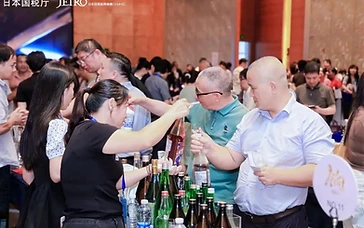
Face-to-face evaluation remains the single fastest way to establish mutual credibility (guanxi) with verified Chinese buyers. General multi-food expos often draw retail consumers and peripheral vendors rather than verified commercial decision-makers. Dedicated wine platforms simplify this by hosting vetted procurement personnel.
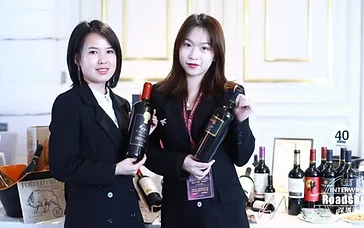
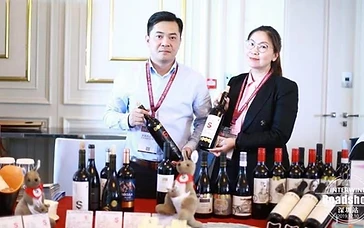
By leveraging structured Business Matching services and exhibiting at established trade gatherings, wineries engage in pre-screened meetings with qualified portfolio buyers. International producers planning their China market entry can Become an Exhibitor to secure direct booth appointments with commercial purchasers from coastal hubs and inland provincial markets alike.
2. Industry-Specific Publications and Importer Rankings
Instead of searching open web directories, exporters should track verified industry reports. Publications such as Vino Joy News systematically compile lists of China's Top 100 Wine Importers and analyze customs declaration volumes by customs district. Customs data consistently highlights that Shanghai represents the single largest destination port for bottled wine imports, followed closely by Guangdong (Shenzhen/Guangzhou), Ningbo, and Tianjin. Tracking these rankings reveals the specific corporate entities actively clearing containers, providing named targets for commercial outreach.
3. Professional Social Platforms and Commercial Directories
While Western professionals rely heavily on LinkedIn, in China, LinkedIn exists primarily as an international profile directory. It remains a viable research tool to identify current corporate purchasing managers, their educational backgrounds, and language capabilities (many top buyers speak fluent English or French). However, the actual commercial engagement will invariably shift to WeChat. Complement LinkedIn searches by consulting curated trade registries such as Beverage Trade Network, which catalogs accredited trading companies such as Xianyu Trading and Fancy Cellar.
4. Regional In-Country Tasting Roadshows and Masterclasses
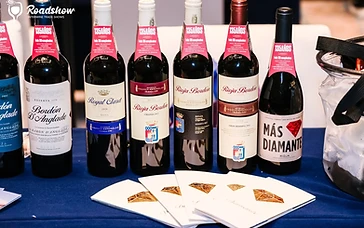
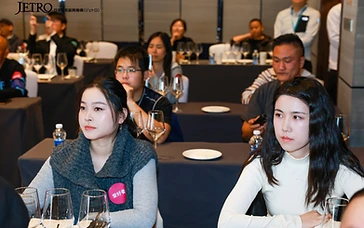
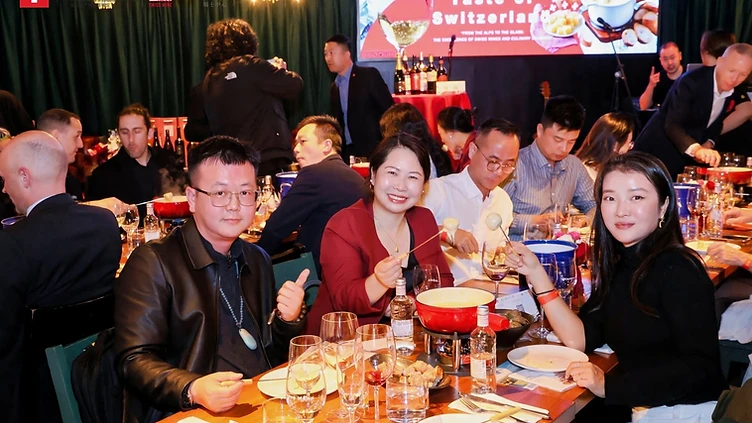
Chinese buyers rarely sign distribution agreements based on digital correspondence alone; physical tasting is essential. Targeted city masterclasses allow wineries to assemble 20 to 30 pre-qualified regional buyers in specific commercial hubs (such as Shenzhen, Guangzhou, or Hangzhou). Participating in multi-city roadshows enables brand owners to test product acceptance against regional culinary preferences.
5. Embassy Commercial Sections and Bilateral Trade Councils
National export boards (such as Business France, ICEX Spain, Italian Trade Agency ITA, or Wine Australia) maintain active commercial desks across their embassies and consulates in Beijing, Shanghai, and Guangzhou. These trade offices routinely maintain verified, non-public databases of active licensed alcohol importers and provide direct commercial introductions to procurement leads.
Commercial Due Diligence: Screening for Qualified Importers
Encountering a buyer who expresses enthusiasm is only the first hurdle. Export directors must rigorously qualify potential partners to ensure they possess legal importing capability, solid financial footing, and active distribution networks.
| Screening Dimension | Low-Risk Importer / Buyer | High-Risk Red Flags | Practical Verification Step | | :--- | :--- | :--- | :--- | | Licensing & Regulatory Compliance | Possesses direct import-export customs registration and food/alcohol circulation permits. | Relies on an unverified third-party trading agency for customs clearance. | Request Unified Social Credit Identifier and verify via the National Enterprise Credit Information Publicity System. | | Portfolio Complementarity | Carries complementary brands that share similar logistics routes without direct varietal competition. | Portfolio consists of hundreds of dormant SKUs or identical competing origins. | Review current sales catalog and online storefront presence (Tmall/JD/WeChat mini-programs). | | Distribution Footprint | Demonstrates clear control over defined channels (e.g., on-premise dining, corporate gifting, regional sub-wholesalers). | Claims complete national coverage across all channels without regional staff. | Request active stockist list and conduct channel spot-checks in target cities. | | Financial Terms & Credit | Accepts standard international trade terms (e.g., 30% deposit, balance against Bill of Lading on initial orders). | Demands consignment stock or extended credit terms (90–120 days) on first shipment. | Verify credit status through commercial databases like Sinosure or Dun & Bradstreet. |
The Landed Cost Formula: How Purchasing Managers Calculate Feasibility
Chinese wine buyers evaluate ex-cellar or FOB offers strictly through the lens of composite landed costs. According to analytical guidelines from Best Wine Importers (2025), imported bottled still wine is subject to three standard national border levies:
- Most-Favored-Nation (MFN) Import Tariff: Typically 14% on CIF value (subject to specific bilateral Free Trade Agreements, such as zero-tariff arrangements for Chilean, New Zealand, and qualifying Australian bottled wines).
- Consumption Tax (Alcohol Tax): 10% applied across the compounded CIF and customs duty base.
- Value-Added Tax (VAT): 13% applied to the cumulative value.
Cumulatively, standard MFN tariff structures add approximately 48% to 50% on top of the CIF invoice price. When factoring in international ocean freight, domestic port handling, lab testing, mandatory CIQ compliant back-labeling, and domestic logistics, a bottle invoiced at €3.00 FOB will cost the importer roughly €5.50 to €6.00 landed. The purchasing manager must then allow room for their own distribution margin (30–40%) and sub-distributor or retail margin (35–50%). Presenting your product with pre-calculated CIF landed models and clear channel pricing tiers instantly demonstrates commercial professionalism to prospective procurement directors.
Communicating and Pitching Effectively to Chinese Wine Buyers
Once a purchasing manager is identified, the method of outreach dictates the outcome:
- Adopt WeChat as the Primary Business Channel: Email is reserved for contractual documentation and formal purchase orders. All initial dialogue, sample follow-ups, and scheduling happen on WeChat. Having a bilingual corporate WeChat presentation or digital PDF catalog available for rapid forwarding is essential.
- Provide Clear Technical and Regulatory Dossiers: Chinese purchasing teams must register labels and clear inspection procedures through China Inspection and Quarantine (CIQ). Provide high-resolution bottle photography, detailed technical sheets (alcohol level, residual sugar, total acidity), and exact pallet loading data immediately.
- Commit to Brand-Building Co-Investment: As market insights from MSA Advisory (2025) emphasize, China's consumer market is leaning toward premiumization and brand authenticity, requiring suppliers to differentiate on crowded retail shelves. Purchasing managers hesitate to take on brands that expect the distributor to bear 100% of the marketing burden. Offering allocated A&P budgets, masterclass funding, or dedicated marketing sample allowances significantly increases conversion.
Wineries seeking structured market entry, verifiable buyer meetings, and direct access to active procurement networks should explore upcoming Interwine Events, consult detailed trade data via Market Insights, or apply to Become an Exhibitor.
Sources
- Observatory of Economic Complexity (OEC) - Bilateral Wine Trade: China
- Best Wine Importers - A Wine Exporter's Guide to Finding Buyers in China (2025)
- Vino Joy News - China's Top Wine Importers & Regional Market Analysis (2024)
- MSA Advisory - Wine Market in China: Trends, Growth, and Consumer Preferences (2025)
- Beverage Trade Network - Directory of Verified Wine Importers & Distributors in China
Key Takeaways
- —Purchasing authority in China is divided among national portfolio managers, regional general managers, corporate hotel beverage directors, and e-commerce category leads.
- —Landed duty structures (MFN 14% tariff, 10% consumption tax, 13% VAT) add approximately 48% to 50% to CIF costs, requiring clear pricing margin models before pitching.
- —Email cold outreach yields poor results; commercial negotiations and initial relationship building in mainland China occur primarily over WeChat and in-person meetings.
- —Shanghai and Guangdong remain the dominant ports of entry for bottled wine, representing the core geographical hubs for procurement headquarters.
- —Verified B2B wine trade exhibitions and targeted business matching services provide the highest-converting direct route to vetted procurement managers.
Frequently Asked Questions
What job titles should export managers search for when targeting wine buyers in China?
Focus on Wine Purchasing Manager (酒类采购经理), Portfolio Director, Head of Procurement, Beverage Director, and General Manager (especially in regional Tier-2 distributors where the GM controls procurement).
Why is cold emailing largely ineffective for reaching Chinese wine importers?
Most Chinese wine professionals do not rely on corporate email for preliminary commercial discussions. Corporate inboxes are often overwhelmed or filtered, whereas business executives conduct daily communications, product reviews, and scheduling directly via WeChat.
How do import duties affect a Chinese buyer's purchase decision?
Standard MFN tariff countries face roughly 14% customs duty, 10% consumption tax, and 13% VAT, totaling approximately a 48% to 50% markup over CIF costs. Buyers must calculate whether their retail margin holds after these additions, making transparent landed pricing proposals essential.
Which Chinese cities have the highest concentration of wine purchasing managers?
Shanghai represents China's largest wine import gateway and hosts the greatest concentration of international trading houses. Guangdong (Guangzhou and Shenzhen), Beijing, Ningbo, and Chengdu are also critical procurement hubs.
What is the fastest way to verify if a Chinese distributor has legal import capabilities?
Ask for their Unified Social Credit Code and verify their business license through China's National Enterprise Credit Information Publicity System. Confirm they possess direct customs clearance registration and food/alcohol circulation certification.