Wine Exhibition Booth Marketing Ideas
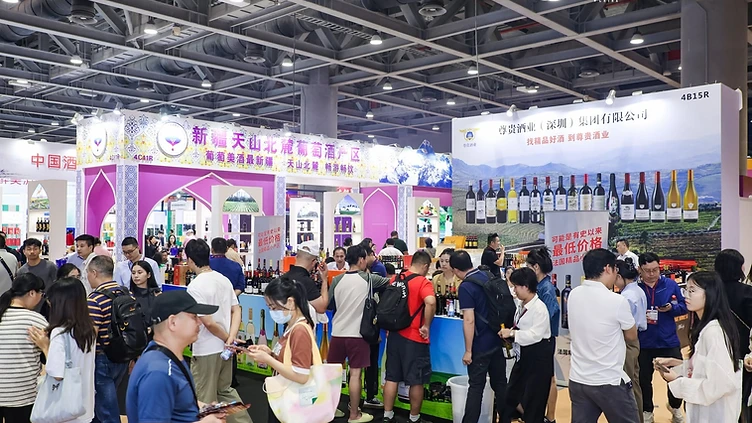
Discover practical, high-conversion wine exhibition booth marketing ideas for wineries and international brands. Optimize stand design, buyer activations, and B2B follow-ups to maximize trade fair ROI.
The Commercial Reality of Wine Trade Fairs
Exhibiting at an international wine trade fair represents one of the largest capital outlays in an export manager’s commercial calendar. Between raw booth rental fees, custom construction, international sample freight, duty clearances, and travel logistics, an overseas presence easily commands tens of thousands of euros or dollars. Yet, far too many wineries rely on a passive model: booking a booth, arranging six bottles on a counter, and waiting for an influential national distributor or retail buyer to stumble across their stand.
In competitive global wine commerce, foot-traffic lottery tickets do not yield sustainable export channels. According to analysis published by SevenFifty Daily (2023), veteran exhibitors emphasize that structured advance planning, detailed cost-versus-benefit analyses, and fast post-event execution dictate whether an exhibition generates a measurable return on investment (ROI). Furthermore, industry trade bodies such as Messe Düsseldorf, introducing the "Insights to Action" (I2A) B2B purchasing framework in 2026, observe that international commercial buyers increasingly evaluate origin, price tiers, and operational compliance well before setting foot on the expo floor.
To transform floor square-footage into signed distribution agreements, wineries must treat their stand as an active conversion engine. This guide outlines actionable, commercially proven wine exhibition booth marketing ideas designed to capture serious trade buyers, optimize on-site sensory engagements, and secure long-term purchase orders.
Strategic Pre-Fair Outreach: Securing the Calendar
A trade booth’s success is largely determined before the exhibition hall doors open. Qualified commercial buyers—such as importers, state monopoly buyers, regional wholesalers, and hotel food and beverage directors—maintain packed schedules planned weeks in advance. Relying purely on drop-in visitors exposes a brand to non-decision makers, casual samplers, and retail tourists.
+-------------------------------------------------------------+
|         PRE-FAIR BUYER ACTIVATION TIMELINE                  |
|                                                             |
|  T - 8 Weeks: Segment target importer lists by market/tier  |
|  T - 6 Weeks: Personalized outreach with FOB/CIF pricing    |
|  T - 4 Weeks: Pre-book private 20-minute tasting blocks     |
|  T - 2 Weeks: Digital profile optimization & sample freight |
|  T - 0 Days:  Execute pre-arranged B2B matching agenda      |
+-------------------------------------------------------------+
- Targeted Importer Account Mapping: Identify active importers and distributors registered for the event. Leverage official match services like Business Matching to request direct 20-minute introduction slots rather than broad open invitations.
- Transparent Pre-Show Commercial Teasers: Commercial buyers evaluate viability based on commercial criteria, not purely romantic stories. Distribute digital one-sheets indicating export availability, free-on-board (FOB) price tiers, minimum order quantities (MOQs), and regional certifications.
- Optimized Directory Listings: As revealed in trade fair research on professional buyer behavior (Wine Industry Advisor, 2026), international trade visitors rely heavily on digital search filters before attending. Ensure your winery’s catalog profile clearly lists sub-regions, grape varietals, organic or biodynamic accreditations, and existing distribution footprints to appear in buyer shortlists.
Spatial Stand Architecture: Designing for Commercial Flow
An effective wine booth architecture reconciles two competing needs: brand visibility and private transactional negotiations. Open counters directly facing primary aisles often invite crowds of casual tasters, which can intimidate serious buyers seeking in-depth commercial conversations.
+---------------------------------------------------+
|           OPTIMAL B2B BOOTH LAYOUT                |
|                                                   |
|  [ Primary Aisle / High Foot Traffic ]            |
|  -----------------------------------------------  |
|  [ Express Tasting Counter & Digital Quick-Scan ] |
|                                                   |
|  [ Mid-Zone: Terroir & Bottle Visual Displays ]   |
|                                                   |
|  [ Semi-Private Meeting Pod / VIP Buyer Table ]   |
|  [ Back-of-House: Temperature Storage & Spares ]  |
+---------------------------------------------------+
Divide the Stand into Three Functional Zones
- Zone 1: The Express Greeting Counter (Front): Position high-energy portfolio discovery here. Staff this station with dynamic brand ambassadors pouring small discovery samples to qualify walk-up interest. Include large, high-contrast visual cues outlining varietals, regions, and price segments to set clear buyer expectations.
- Zone 2: The Terroir Immersion Zone (Middle): Reserve this area for buyers who express specific commercial alignment. Integrate tangible soil strata, geological samples, vineyard topography maps, or tactile bottle packaging displays. Physical props give sommeliers and portfolio directors an immediate reference for why the product justifies its shelf placement.
- Zone 3: The VIP Negotiation Lounge (Rear): Critical purchasing agreements require focus. Shield this semi-private seating area from corridor noise. Outfit it with comfortable seating, tasting glasses, dump buckets, water, neutral crackers, and digital tablets showing landed cost models and logistics timelines. If you plan to exhibit with a larger commercial presence, explore turnkey configuration packages when you Become an Exhibitor.
High-Impact On-Site Activations
Standing behind a table pouring standard flight after flight creates sensory fatigue for both exhibitors and buyers. Curate targeted tasting sessions designed to highlight commercial differentiation.
1. Commercial Benchmark Flights
Instead of only pouring your flagship reserve, host targeted, time-tabled micro-tastings (e.g., "High-Altitude Cabernets vs. Traditional Valley Floors" or "Commercial Margins on Indigenous Varietals"). Frame your wines against broader market benchmarks. This communicates to importers that your team understands category dynamics, margin requirements, and retailer inventory turnover.
2. Digital Technical Sheets and QR Lead Integration
Physical paper sell-sheets quickly end up discarded in convention center bins. Replace heavy catalogs with clear, dedicated acrylic tabletop cards featuring QR codes linked to password-free trade asset portals. Include:
- High-resolution bottle and label renders (CMYK and RGB).
- Technical laboratory specifications (residual sugar, total acidity, pH, alcohol by volume).
- Logistics specifications (bottles per case, pallet configurations, container loading limits, HS tariff codes).
- Realistic CIF (Cost, Insurance, and Freight) pricing estimates to major regional ports.
3. Professional Glassware and Proper Temperature Management
Serving a full-bodied red wine at a sweltering hall temperature of 26°C or an aromatic white straight from melting ice water distorts structural balance. Invest in under-counter commercial wine chillers or coordinate with exhibition cold-storage logistics. Providing varietal-specific crystal glassware demonstrates operational seriousness, immediately setting your stand apart from exhibitors relying on generic plastic cups.
Strategic Staffing and Booth Etiquette
Even an architecturally striking booth will underperform if the team operating it lacks commercial preparation or energy. Commercial wine buyers decide whether to engage within five seconds of approaching a counter.
| Operational Practice | High-Conversion Approach | Costly Pitfall to Avoid | | :--- | :--- | :--- | | Staffing Composition | Balance winemaking passion with export sales authority. Pair a winemaker/oenologist with a commercial export director who understands tariffs and quotas. | Leaving booths staffed solely by third-party hostesses unable to discuss distributor pricing. | | Body Language | Remain standing, maintain open posture, and make direct eye contact with badges to qualify visitors immediately. | Sitting behind a high counter staring at smartphones or laptops while visitors pass. | | Lead Qualification | Use a 3-question filter: "Are you currently importing from our region?", "What price channels are you sourcing for?", "Which distribution territories do you cover?" | Spending 25 minutes giving a complete estate history to an individual who lacks purchasing authority. | | Note Taking | Record notes directly on scanned digital leads or write specific discussion details on physical business cards instantly. | Collecting an unorganized pile of business cards with no notes on requested vintages or volume needs. |
Review the Exhibitor Directory at your target trade show in advance to assess regional competition, evaluate which categories are saturated, and adjust your pitch points accordingly.
Lead Qualification and the 48-Hour Conversion Window
The real commercial transaction rarely takes place on the trade floor; it takes place in the operational follow-up. According to trade show research compiled by Eventist (2026), capturing complete buyer context and executing immediate follow-up strategies directly shapes final conversion rates.
+---------------------------------------------------+
|           LEAD CAPTURE MATRIX                     |
|                                                   |
|  TIER 1 (Urgent): Importers with open portfolios  |
|         -> Follow-up within 24-48 hours           |
|         -> Action: Dispatch samples, quote CIF    |
|                                                   |
|  TIER 2 (Warm): Regional distributors / Horeca    |
|         -> Follow-up within 5-7 business days     |
|         -> Action: Share digital media kits       |
|                                                   |
|  TIER 3 (Nurture): General trade & media contacts |
|         -> Add to quarterly trade buyer bulletins |
+---------------------------------------------------+
- Tier 1 (High-Priority Buyers): Send a personalized email within 24 to 48 hours referencing the exact bottles tasted, specific margin requirements discussed, and immediate sample dispatch schedules.
- Tier 2 (Secondary Leads): Send structured follow-ups within 5 to 7 business days featuring full portfolio sheets, awards lists, and FOB schedules.
- Tier 3 (General Inquiries): Integrate verified contact data into your winery’s quarterly B2B trade newsletter to build brand familiarity across future buying cycles.
Review current Market Insights to tailor your follow-up messaging directly to market developments, consumption shifts, and import regulations in the buyer’s home territory.
Maximize ROI Beyond the Physical Stand
Confining your marketing investment entirely to your stand perimeter limits total event value. Complement your booth presence with wider fair-ground initiatives:
- Masterclass Sponsorships: Submit wines for inclusion in high-level masterclasses led by Masters of Wine or prominent regional sommeliers. Participating in official masterclasses elevates your brand's prestige and drives high-intent buyers directly to your booth.
- Fringe Networking Events: Attend evening trade receptions, bilateral chamber of commerce dinners, and industry award ceremonies. Informal conversations outside the busy trade floor often open doors to key distribution executives.
- Bilingual Trade Collateral: When marketing at international venues, ensure at least one stand representative speaks the local language, and provide bilingual spec sheets to eliminate communication friction.
By executing disciplined pre-show appointment booking, designing booths for confidential negotiations, and maintaining rigorous post-show follow-ups, wineries can transition their trade show presence from a speculative gamble into a reliable channel for international growth. Secure your prime stand placement and register your brand today to Become an Exhibitor.
Sources
- SevenFifty Daily: A Winery Guide to Trade Show Success (2023)
- Wine Industry Advisor: ProWein Düsseldorf Sets New Standards for B2B Wine Trade Fairs with I2A (2026)
- Eventist: 16 Booth Marketing Strategies That Drive Successful Results (2026)
Key Takeaways
- —Pre-book 60-80% of your booth tasting appointments before the exhibition opens using digital B2B matching tools.
- —Divide booth architecture into three clear zones: an open discovery greeting station, a terroir educational display, and a semi-private negotiation table.
- —Equip your stand with actionable trade collateral, including QR-accessible tech sheets, transparent CIF/FOB pricing, and laboratory specifications.
- —Pair commercial sales personnel with winemakers to balance sensory storytelling with import, margin, and logistics discussions.
- —Categorize and action trade leads within a 24- to 48-hour follow-up window to secure commercial momentum before buyer attention shifts.
Frequently Asked Questions
How far in advance should a winery plan its exhibition booth marketing?
Wineries should begin campaign planning 4 to 6 months before the trade fair. This allows sufficient time to secure optimal booth space, coordinate international sample logistics and import permits, and initiate buyer outreach to pre-book meeting calendars at least 4 to 6 weeks prior to show opening.
What are the most essential elements to display in a wine booth?
Beyond bottles, high-performing booths feature clear visual branding indicating grape varieties and sub-regions, transparent FOB/CIF pricing tiers, QR codes for instant spec-sheet downloads, professional temperature-controlled glassware setups, and a semi-private negotiation area for distribution talks.
How can wineries stand out among hundreds of competing wine stands?
Rather than relying on passive walk-up tastings, stand out by hosting targeted benchmark micro-tastings, displaying physical terroir elements (soil types, topographical vineyard maps), and ensuring commercial staff immediately answer pricing, duty, and freight questions.
What is the best way to handle trade show sample follow-ups?
Segment contacts at the booth into three tiers based on commercial intent. Top-tier prospects with immediate open import portfolios should receive personalized emails and CIF rate confirmations within 24 to 48 hours of the fair closing.