How to Plan Your Trip to Interwine
A comprehensive executive guide on how to plan your trip to Interwine China. Learn step-by-step strategies for visa processing, Guangzhou logistics, booth navigation, buyer matchmaking, and maximizing trade ROI.
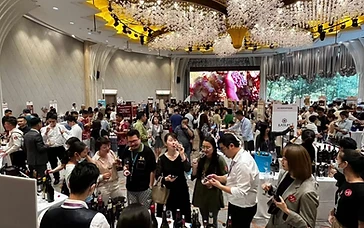
To successfully navigate how to plan your trip to Interwine, international wine trade professionals must approach their travel not as passive tourism, but as an integrated commercial sourcing expedition. Established in 2004 and organized by Canton Universal Fair Group Ltd., Interwine stands as China's premier international wine and spirits exhibition. Taking place biannually at venues including the renowned China Import and Export Fair Pazhou Complex and Poly World Trade Center in Guangzhou, this pivotal trade fair brings together global wineries, national trade pavilions, Chinese regional distributors, duty-free buyers, and on-premise hospitality operators.
Maximizing returns on your visit requires proactive logistical precision. According to international business travel guidelines outlined by Cvent in 2025, coordinating corporate travel policies, itinerary planning, destination logistics, and vendor sourcing well in advance is essential for mitigating operational friction. Navigating Mainland China’s commercial trade circuit introduces distinct operational dynamics—ranging from business visa documentation and digital payment infrastructures to dedicated matchmaking sessions. This guide provides a strategic framework for global importers, distributors, buyers, and international trade delegates planning a high-ROI trip to Interwine.
1. Establishing Objectives and Budgeting for Interwine
Before booking airfare or hotel accommodations, determine the specific commercial goals of your visit. For international buyers and regional Chinese importers, attending Interwine represents an opportunity to discover new overseas allocations, evaluate private-label production capabilities, and sample bulk or bottled-at-origin inventory. Conversely, overseas brand owners and exporters use the fair to secure qualified distribution channels across Tier 1, Tier 2, and Tier 3 regional markets in South China and beyond.
Align your travel budget with concrete performance indicators. An effective trip budget must account for direct line items: round-trip international transit, business-class or upscale hotel reservations in Guangzhou’s Haizhu or Tianhe districts, transit logistics, commercial dinner hosting, professional interpretation services, and sampling or product entry clearances. When planning your schedule, ensure you register in advance to Book Your Visit to streamline credentialing and secure complimentary trade buyer badges prior to on-site arrival.
2. Navigating China Visas and Commercial Entry Requirements
Entry requirements into Mainland China require meticulous advance coordination. International wine buyers and commercial exhibitors traveling for exhibition purposes must ensure their passports possess a minimum of six months of validity beyond their planned travel dates, along with sufficient blank visa pages.
Most international business travelers require an official commercial 'M' visa, issued for commercial and trade activities. To apply for an M visa via your local Chinese Embassy, Consulate, or Chinese Visa Application Service Center (CVASC), you must present a verified commercial invitation issued by a Chinese trade entity. When registering for the event, obtain an official Invitation Letter and Visa Support directly from the Interwine organization team. Beginning in late 2023 and expanding through 2024–2025, the Ministry of Foreign Affairs of the People's Republic of China introduced temporary unilateral 15-day or 30-day visa-free entry policies for citizens of selected European and Asian nations traveling for business. However, trade visitors must verify current bilateral regulations via the official CVASC portal prior to departure, as regional policies, stay limitations, and entry rules are subject to diplomatic updates.
3. Flight Itineraries and Guangzhou Local Logistics
Interwine's flagship editions are staged in Guangzhou, the commercial hub of the Greater Bay Area (GBA). When planning flights, evaluate two primary routing paths:
- Direct Arrival via Guangzhou Baiyun International Airport (CAN): Ideal for avoiding domestic transfers. Baiyun Airport offers extensive international long-haul connections and direct regional transit across East and Southeast Asia. The airport is linked directly to Guangzhou Metro Line 3, connecting into the urban core and transfer routes to Pazhou.
- Arrival via Hong Kong International Airport (HKG): For visitors with schedule constraints, flying into Hong Kong offers significant flight frequency. From HKG, travelers can connect to Guangzhou via the High-Speed Rail (HSR) from Hong Kong West Kowloon Station directly to Guangzhou South (Guangzhounan) or Guangzhou East in under an hour, or take direct cross-boundary ferries to Pazhou Ferry Terminal, located adjacent to the exhibition center.
For daily commuting to the exhibition halls, review the comprehensive guide to Arrival and Transportation. Guangzhou Metro Line 8 serves Pazhou directly via Xingangdong Station (Area A) and Pazhou Station (Area B/C and Poly World Trade Center). Taxis and ride-hailing services are efficient, but rush-hour congestion around Yuejiang Zhong Road during fair days demands built-in scheduling buffers.
4. Strategic Accommodation: Balancing Proximity and Networking
Selecting the right hotel is critical for both convenience and evening networking. The trade activity at Interwine extends far beyond the exhibition floor; industry dinners, brand masterclasses, and distributor receptions take place across Guangzhou each evening.
- Pazhou District (Immediate Proximity): Properties within walking distance of the exhibition halls (such as the Westin Pazhou or Shangri-La Guangzhou) minimize transit times and simplify the logistics of carrying samples, catalogs, and technical materials.
- Tianhe / Zhujiang New Town (Networking Hub): Located roughly 15 to 20 minutes across the Pearl River, Tianhe represents Guangzhou’s central business district. Staying in Zhujiang New Town provides direct access to international standard dining, consulates, trade commissions, and upscale wine bars where off-site B2B entertaining occurs.
Consult the vetted Hotel Accommodation directory to book partner properties offering preferred trade rates and shuttle services to the exhibition halls.
5. Practical Digital and Financial Infrastructure in China
Operating efficiently on the ground in China requires pre-trip setup of local digital platforms:
- Digital Payments (WeChat Pay & Alipay): China is a predominantly cashless economy. Both WeChat (via Weixin Pay) and Alipay permit international visitors to bind foreign credit cards (Visa, Mastercard) to their applications. Configure and verify your account prior to landing to facilitate taxi payments, dining, and retail purchases seamlessly.
- Connectivity and VPN Solutions: Many international services (Google workspace, corporate enterprise servers, WhatsApp, and international news outlets) are restricted behind China's standard domestic network protocols. Ensure your cellular device supports eSIM data roaming through your home provider (which typically routes traffic outside the local firewall) or set up a secure corporate Virtual Private Network (VPN) on laptops and tablets prior to departure.
- Business Communication: While WhatsApp is ubiquitous globally, virtually all Chinese importers, wine distributors, and regional buyers communicate via WeChat. Download and register WeChat ahead of your trip. Exchanging WeChat QR codes on the trade fair floor is the standard method for B2B contact collection, catalog distribution, and post-event follow-up.
6. Curating Your On-Floor Sourcing Schedule
With thousands of SKUs spanning Old World estates, New World commercial brands, baijiu, and craft spirits, navigating Interwine requires strict time management.
Begin by auditing the published Exhibitor Directory weeks before the doors open. Categorize your sourcing targets based on varietals, pricing tiers (entry-level, mid-tier commercial, or premium estate-bottled), and logistical readiness. Reserve your morning sessions for high-priority B2B commercial negotiations and formal procurement discussions when exhibitor personnel are freshest.
Utilize the fair’s dedicated Business Matching service. This curated system pre-schedules targeted one-on-one introductions between verified international suppliers and qualified Chinese procurement directors, eliminating exploratory guesswork. Dedicate afternoon blocks to participating in national pavilion masterclasses and technical tasting sessions hosted under Interwine Events, where visiting Masters of Wine, trade commissioners, and master sommeliers provide actionable insights into current consumer trends and distribution realities in the Chinese marketplace.
7. Post-Show Action Plan: Converting Meetings into Commercial Contracts
Attending the fair is only the initial stage of entering or expanding within the Chinese beverage ecosystem. The most common point of failure for international participants is slow post-show follow-up. Regional buyers and distributors evaluate hundreds of proposals during the three-day exhibition; timely communication is essential for maintaining momentum.
Within 48 to 72 hours following the event, initiate direct follow-ups via WeChat and email. Reference the specific conversation, booth number, and tasting notes recorded during your meeting. Provide localized commercial data sheets, clear Ex-Works (EXW) or Free on Board (FOB) pricing tiers, CIF shipping estimates to major Chinese ports (such as Shenzhen, Guangzhou, or Shanghai), and compliance details regarding China Inspection and Quarantine (CIQ) requirements and label registration.
For international producers seeking sustained market visibility, participating as an exhibitor provides direct access to deep distribution pipelines. Evaluate opportunities to Become an Exhibitor at upcoming sessions to firmly establish your brand's presence across the Greater Bay Area and national Chinese distribution networks.
Sources
- Cvent Business Travel and Corporate Event Sourcing Guide (2025): https://www.cvent.com/en/blog/events/business-travel-tips
- China National Immigration Administration (Official Entry & Visa Regulations): https://en.nia.gov.cn
- China Import and Export Fair Pazhou Complex Directory: http://www.cantonfair.org.cn/en
- Interwine China International Wine & Spirits Fair Official Portal: http://www.interwine.org
Key Takeaways
- —Secure an official commercial invitation letter at least 4 to 8 weeks before departure to complete your Chinese M-visa application.
- —Book accommodations either adjacent to the Pazhou Complex for logistical ease or in Zhujiang New Town for evening trade entertainment.
- —Pre-install WeChat and Alipay with linked international payment cards, as digital payments and WeChat contact sharing dominate Chinese business interactions.
- —Utilize Interwine’s curated business matchmaking platform to schedule targeted meetings with vetted Chinese importers prior to arriving on the show floor.
- —Initiate post-event communication within 72 hours via WeChat, providing clear FOB/CIF pricing, technical product specifications, and regulatory compliance details.
Frequently Asked Questions
What is the best airport to fly into for Interwine?
Guangzhou Baiyun International Airport (CAN) is the most direct gateway, offering direct metro and taxi connections to the Pazhou exhibition complex. Alternatively, travelers can fly into Hong Kong International Airport (HKG) and take the direct high-speed train or Pazhou direct ferry into central Guangzhou.
Do I need a commercial invitation letter for my Chinese visa?
Yes. Most foreign passport holders traveling to China for business exhibitions require an official commercial M-visa. Interwine supplies formal invitation letters to registered trade visitors and exhibitors to support visa applications at Chinese Consulates or Visa Application Centers.
How do payments and ground communications work for foreign visitors in China?
China functions largely as a cashless economy. Visitors should download Alipay and WeChat prior to departure and link their international credit cards. WeChat is also the primary communication and networking platform used by Chinese wine distributors and buyers on the exhibition floor.
Where should I stay during the Interwine exhibition?
For immediate proximity and minimal daily commute, stay in hotels situated in the Pazhou exhibition district. If you plan to host client dinners and attend evening industry networking gatherings, Zhujiang New Town in the Tianhe central business district is the preferred choice.
How can I schedule meetings with vetted Chinese importers before the fair?
Registered attendees can utilize Interwine’s official Business Matching service. This platform enables buyers and brand representatives to review exhibitor profiles and pre-book targeted one-on-one commercial meetings ahead of show opening.