Common Exhibition booth planning Mistakes International Wine Brands Should Avoid
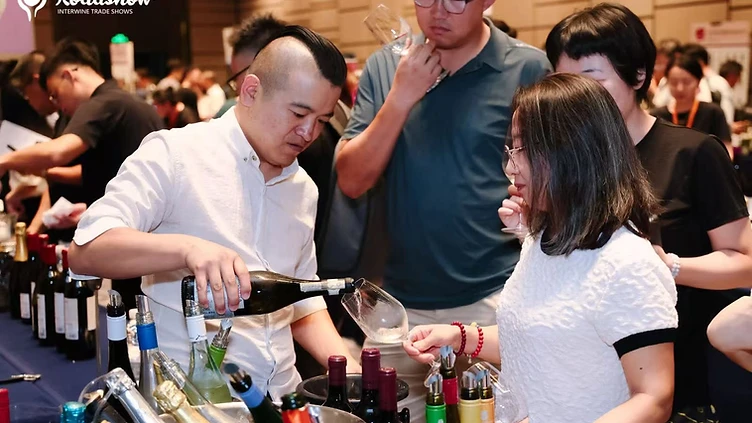
Discover the critical exhibition booth planning mistakes international wineries and exporters make at global trade expos, and learn how to optimize booth architecture, sample logistics, and buyer engagement.
International wine brands face severe commercial risks when treating exhibition booth planning as a mere aesthetic exercise. The most common exhibition booth planning mistakes international wine brands should avoid include erecting physical barriers that repel foot traffic, neglecting temperature-controlled sample logistics, failing to pre-book qualified buyer meetings, and presenting pricing without localized import calculations. By engineering an open booth layout, preparing market-ready B2B collateral, and capitalizing on targeted matchmaking services, international producers can secure verified distribution agreements and maximize export return on investment (ROI).
The Commercial Stakes of Wine Trade Fair Execution
For international wineries entering mature or expanding target markets, trade shows represent substantial capital expenditures. According to reporting by SevenFifty Daily (2023), base participation costs for a standard three-day wine trade fair—including stand fees, product freight, travel, and accommodation—routinely start around $5,000 for small pavilion spaces and escalate significantly for standalone, customized brand exhibits. Large global portfolio operations like Jackson Family Wines leverage these events to convene scores of regional partners and present hundreds of SKUs across dozens of labels.
Yet, despite these investments, many producers leave the expo floor without meaningful importer follow-through. When brands fail to transition aisle traffic into purchase orders, the failure rarely stems from product quality; it stems from preventable operational and spatial design flaws. Correcting these exhibition booth planning mistakes allows wine producers to transform trade fair attendance from an ambiguous marketing expense into an accountable sales pipeline. Producers ready to engage serious distributors can Become an Exhibitor and position their wines directly before verified industry buyers.
Spatial and Visual Pitfalls: Booth Architecture That Repels Buyers
Designing a booth for a commercial wine exposition requires distinct ergonomic considerations compared to general consumer trade fairs. Wine professional buyers—including national importers, retail beverage directors, and hospitality sommeliers—navigate dense expo halls under tight schedules. If your stand is difficult to enter or evaluate visually, buyers simply walk past.
The "Castle Moat" and "Castle Wall" Barrier Errors
Research published by Exhibitor Magazine examining nearly 1,000 trade fair exhibits highlights that spatial barriers severely handicap conversion:
- The Castle Moat: Occurs when exhibitors place display tables, banners, or dead zones right at the transition between the aisle carpet and the booth space. This gap forces passing attendees to take an active psychological leap to cross into your stand.
- The Castle Wall: Occurs when wineries wall off their perimeter using high vitrines, floor-standing pop-up banners, or continuous perimeter counters. This barrier obstructs sightlines into the booth, signaling to passing trade that the stand is private or unwelcoming.
Wine stands must maintain unencumbered access points. Counters should be oriented at 45-degree angles or positioned toward the rear and sides of the footprint. This orientation enables visitors to step off the noisy main concourse and engage your staff without feeling trapped.
Lighting Extremes and Floor Friction
Sudden shifts in flooring tone or erratic spotlights create visual friction that repels foot traffic. If an exhibit uses intense directional lighting on display bottles while leaving conversation counters dim, visitors subconsciously avoid the high-contrast thresholds. Wine evaluation requires balanced, neutral illumination that allows professional tasters to assess clarity, color depth, and viscosity accurately without harsh shadows.
+-------------------------------------------------------------+
|               POOR BOOTH LAYOUT ("CASTLE WALL")             |
|  [Banner]  ================ Perimeter Counter =============  |
|  =======> Aisle Buyers Blocked / Sightlines Obstructed <===  |
+-------------------------------------------------------------+

+-------------------------------------------------------------+
|              OPTIMAL WINE B2B LAYOUT (OPEN ACCESS)          |
|   [Aisle]  ---> Free Flow Inward                           |
|            [Angled Tasting Station]    [B2B Lounge/Table]   |
|            Clear Sightlines & Natural Product Staging       |
+-------------------------------------------------------------+
Operational Blunders: Cold Chain, Glassware, and Sample Service
Unlike industrial manufacturing, wine exhibiting centers on sensory evaluation. Operational errors in wine handling immediately undermine an international brand's credibility.
Inadequate Temperature Management and Storage
Presenting full-bodied red wines at ambient hall temperatures exceeding 24°C (75°F) or serving delicate sparkling and white wines above 12°C (54°F) destroys aromatics and amplifies alcohol burn. Successful international exhibitors plan their cold storage infrastructure weeks ahead of setup. Do not assume trade show organizers provide dedicated on-stand refrigeration; order under-counter chilling units or negotiate access to temperature-controlled on-site storage. Review upcoming events and regional show logistics via Interwine Events to coordinate your facility requirements early.
Glassware Shortages and Washing Bottle-Necks
Professional tasters refuse to evaluate fine wines in greasy, detergent-scented, or warm glasses straight from a rapid dishwashing machine. International exhibitors frequently run out of clean, dry stemware during peak mid-afternoon hours. Planning metrics dictate budgeting a minimum of 4 to 6 ISO or universal tasting glasses per registered seat or tasting position per hour, alongside dedicated microfiber polishing cloths and odorless rinsing basins.
Failure to Plan Spittoons and Waste Logistics
Overloaded, transparent, or unemptied spittoons immediately degrade the sensory environment of a booth. Place opaque spittoons with funnel lids strategically across the counter so multiple trade visitors can spit discreetly without reaching over one another. Stand staff must have a discreet protocol for replacing dump buckets out of visitor view.
Commercial Preparation Failures: Pricing Sheets, Incoterms, and Specs
Importers and commercial brokers assess wines within rigorous fiscal frameworks. Beautiful label artwork cannot compensate for missing commercial metrics.
The Omission of Localized Commercial Calculations
A common mistake for international wineries is providing buyers with ex-cellar (EXW) pricing solely in domestic currency (such as Euros, AUD, or USD) without reference to export mechanics. While EXW is a standard starting point, commercial buyers expect you to understand:
- Applicable Free On Board (FOB) port charges;
- Standard container palletization configurations (cases per pallet, layers per pallet, container gross weights);
- Basic target market tariff regimes and excise taxes.
Ensure that staff members at the counter can immediately discuss container-load pricing and distributor margin expectations.
Missing Technical Specifications and Certifications
Distributor category managers frequently request technical fact sheets detailing grape varietal ratios, residual sugar (g/L), total acidity, pH, oak aging regimens, and formal certifications (such as organic, biodynamic, or vegan status). Expecting a buyer to scan a QR code to download slow-loading international websites causes lost momentum. Maintain crisp, standardized digital spec sheets pre-loaded on offline tablets or printed as one-page summaries.
To identify what regional buyers expect in your target market, consult Market Insights to align your commercial portfolios before finalizing your trade fair inventory.
Human Resource and Tactical Errors on the Expo Floor
Trade fair stands succeed or fail based on the proactive engagement of their booth personnel. Misaligned staffing strategies generate massive hidden costs.
Sentry Behavior and Screen Distractions
As observed by Exhibitor Magazine's behavioral studies, booth staff frequently default to "sentry duty"—standing rigidly along the booth perimeter with arms crossed, staring outward. This posture mirrors physical security and intimidates prospective buyers. Equally damaging is staff members looking down at smartphones or laptops behind the counter. Booth personnel should adopt open postures inside the space, maintaining gentle eye contact and gesturing visitors toward an open tasting bottle.
Language and Cultural Misalignment
International wineries expanding into new global markets often dispatch winemaking staff who lack fluency in the host country's primary commercial language. While technical passion is valuable, complex contractual negotiations, import licensing discussions, and distributor vetting require fluent bilingual communication. Ensure your stand includes native-speaking commercial trade representatives who understand local business etiquette and contractual terminology.
The "Empty Diary" Syndrome
As highlighted in Wine Industry Advisor (2026), relying purely on walk-up trade fair foot traffic is an outdated strategy. Experienced international exhibitors pre-book 60% to 70% of their stand capacity with target distributors, regional wholesalers, and chain beverage buyers weeks before opening day. Leverage event networking directories and structured Business Matching services to secure dedicated meeting blocks in advance.
+-------------------------------------------------------------------------+
|                    EXHIBITOR STRATEGY COMPARISON                        |
+--------------------------+----------------------------------------------+
| Passive Exhibitor Trap   | Strategic Export Winner                      |
+--------------------------+----------------------------------------------+
| Relies on walk-up foot   | Pre-books 60-70% of meeting diary via        |
| traffic without diary    | digital business matching services           |
+--------------------------+----------------------------------------------+
| EXW pricing only in      | FOB & estimated landed cost models ready     |
| winery home currency     | with palletization data                      |
+--------------------------+----------------------------------------------+
| Wine served at ambient   | Strict refrigeration protocol, clean glasses,|
| hall room temperature    | opaque funnel spittoons                      |
+--------------------------+----------------------------------------------+
| Staff standing sentry or | Open, welcoming posture with bilingual local |
| distracted on devices    | trade representatives                        |
+--------------------------+----------------------------------------------+
Post-Show Execution: The Missing Follow-Up System
The trade fair does not conclude when the hall lights dim on the final afternoon. A standard failure among international wineries is returning home and allowing qualified distributor leads to go cold over several weeks.
- Segment Leads Daily: Do not wait until the final evening to sort lead badges. Categorize contacts each night into Tier 1 (immediate sample requests/contract negotiations), Tier 2 (qualified interest for general portfolio), and Tier 3 (ancillary press, service vendors).
- Dispatch Turnkey Correspondence Within 48 Hours: Provide personalized follow-up emails referencing specific wines tasted at the stand, accompanied by clear pricing, digital spec sheets, and firm next steps.
- Coordinate Sample Dispatch Protocols: If a commercial buyer requests full sample bottles for a buying committee tasting, verify local customs clearance, import tax pre-payment, and temperature-controlled shipping logistics immediately.
Avoiding these structural, tactical, and commercial pitfalls ensures that your brand captures genuine commercial distribution rather than empty conversations. By approaching exhibition planning as an integrated B2B sales system, international wineries achieve repeatable export success.
Sources
- SevenFifty Daily: A Winery Guide to Trade Show Success (2023) - https://daily.sevenfifty.com/wine-trade-show-guide-wineries/
- Exhibitor Magazine: Five Mistakes Exhibitors Make - https://www.exhibitoronline.com/topics/article.asp?ID=2079
- Wine Industry Advisor: Beyond the Booth: How to Actually Win at Wine Fairs (2026) - https://wineindustryadvisor.com/2026/04/08/beyond-the-booth-how-to-actually-win-at-us-wine-fairs
- Beverage Trade Network: Planning Your Beer, Spirits or Wine Trade Show Participation - https://beveragetradenetwork.com/en/btn-academy/articles/planning-your-beer-spirits-or-wine-trade-show-participation-240.htm
Key Takeaways
- —Eliminate structural barriers like the 'Castle Wall' and 'Castle Moat' to allow buyers seamless physical and visual access to your wines.
- —Maintain strict control over sensory variables by securing dedicated refrigeration, sufficient universal glassware, and discrete spittoons.
- —Prepare localized export commercial sheets, detailing FOB pricing, palletization specifications, and container logistics alongside EXW figures.
- —Do not depend on serendipitous foot traffic; pre-book at least 60% of your booth meetings using business matching platforms.
- —Execute a tiered lead follow-up system within 48 hours of event completion to sustain commercial momentum.
Frequently Asked Questions
What is the most common booth design mistake made by wineries?
The most frequent error is building a 'Castle Wall'—placing tasting counters, storage boxes, and display pull-ups across the entire perimeter of the booth. This creates a psychological and physical barrier that prevents passing buyers from entering the stand freely.
How many wine glasses should an exhibitor budget for a trade show booth?
Wineries should plan for 4 to 6 universal tasting glasses per registered tasting station or seat for every active show hour. This ratio ensures you never serve wine in hot, freshly washed, or unpolished glassware during peak buyer traffic.
Why is offering only EXW pricing a mistake at international wine trade shows?
EXW (Ex-Works) pricing forces prospective importers to calculate freight, handling, and port fees before assessing feasibility. Presenting FOB pricing alongside clear palletization and container specifications allows buyers to evaluate margins on the spot.
How far in advance should international wineries book buyer meetings?
Exhibitors should begin their outreach 4 to 6 weeks before the event, using official business matching platforms and digital directories to fill 60% to 70% of their available stand diary prior to opening day.
What is the best way to handle temperature management at wine expos?
Avoid relying on general exhibition hall air conditioning. Order dedicated under-counter commercial refrigerators or secure access to on-site cold storage to ensure white, rosé, and sparkling wines are served chilled and reds remain below 18°C.