How to Find Wine Importers and Distributors in Hangzhou
A commercial roadmap for wineries and wine brands looking to identify, vet, and partner with wine importers and distributors in Hangzhou's affluent, tech-driven market.
To successfully find and partner with wine importers and distributors in Hangzhou, foreign producers must look beyond the generic tier-one distributor lists of Shanghai and tap directly into Zhejiang province's commercial ecosystem. Rather than relying on cold digital outreach, international wineries achieve repeatable market access by combining in-person trade qualification at major regional platforms like Interwine, verifying importer licenses through China’s official registries, and pitching tailored portfolios suited to Hangzhou's unique commercial landscape.
Hangzhou—the capital of Zhejiang province—represents one of China’s most concentrated hubs of private wealth, tech-driven retail models, and sophisticated beverage consumption. According to trade analysis published by Vino Joy News (2020), Zhejiang ranked as China's fifth-biggest wine importing destination by value, driven by strong regional purchasing power across the Yangtze River Delta. As reported in the USDA Foreign Agricultural Service (FAS) Wine Market Update (2025), General Administration of Customs China (GACC) data shows that China imported approximately $1.6 billion of wine and related products in 2024. While overall national consumption has rationalized, affluent emerging hubs like Hangzhou are outperforming national averages in demand for diversified selections, premium whites, and sparkling categories.
The Hangzhou Wine Distribution Ecosystem
To navigate Hangzhou’s distribution routes effectively, foreign producers must recognize how regional wine logistics function in Zhejiang. Unlike southern trade ports, Hangzhou operates under a dual-channel structure:
- First-Tier Direct Importers: Licensed trading entities based directly in Hangzhou (such as specialized regional trading houses in Xihu, Gongshu, and Binjiang districts) that manage customs clearance, GACC compliance, and warehousing directly. Companies like Hangzhou Ai Na Te Import & Export represent direct city-level operators serving local retail and private banking networks.
- Yangtze River Delta (YRD) Regional Sub-Distributors: Importers based across the Shanghai-Hangzhou-Ningbo corridor that pull bulk inventory through bonded warehouses in Ningbo or Shanghai, subsequently deploying wines into Hangzhou's high-end on-trade establishments and boutique retail chains.
- Omnichannel and E-Commerce Converters: Hangzhou is China’s e-commerce capital. Distributors in the city frequently service private-domain WeChat communities, corporate VIP gift-purchasing accounts for tech conglomerates, and dynamic livestreaming ecosystems alongside traditional retail.
According to the USDA FAS Emerging City Market Report for Hangzhou, dining out remains a primary driver of imported wine consumption, with international selections heavily favored in Western dining establishments, five-star hotel lounges, and private social wine clubs. Producers seeking sustained distribution in Hangzhou must align their portfolio pricing and branding with these distinct hospitality and private-client venues.
Practical Strategies to Connect with Hangzhou Importers
Finding commercial partners in Hangzhou requires a structured blend of field presence, curated B2B matchmaking, and local regulatory verification.
1. Leverage Professional Wine Trade Exhibitions and Matchmaking
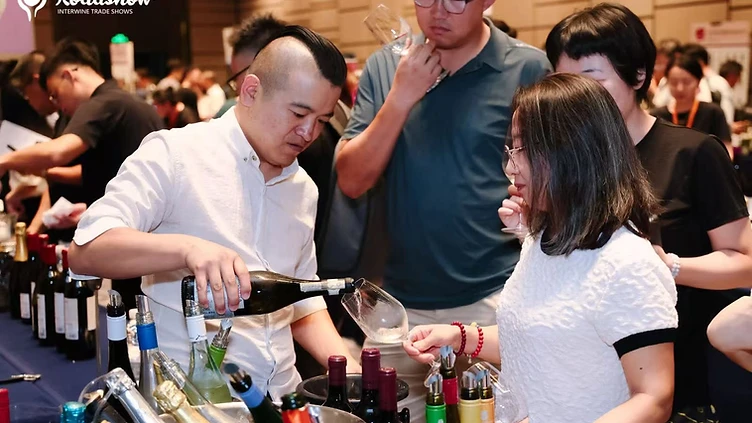
Direct commercial relationships in the Chinese wine sector depend heavily on face-to-face evaluation and sensory tasting. To connect with regional buyers traveling across Zhejiang and broader southern China, producers should exhibit at dedicated wine showcases. By choosing to Become an Exhibitor at regional trade platforms, international wineries secure direct exposure to vetted provincial purchasing directors who deliberately attend industry exhibitions to restock cellars.
Rather than navigating random booth traffic, brands should leverage structured Business Matching services. These services pre-screen commercial distributors from Zhejiang and Shanghai based on their existing portfolio gaps, minimum annual import volume, and target pricing models. International sales managers can also review the Exhibitor Directory and participate in regional roadshows highlighted across Interwine Events to monitor which importers are actively investing in new regional labels.
2. Cross-Reference Official Importer Registrations
Never enter exclusive distribution contracts without verifying your prospective partner’s trade bona fides. In China, an importer of food and beverages must hold an official Foreign Trade Operator Registration and be listed as a registered domestic importer on the GACC Single Window platform. Exporters can utilize provincial commerce databases and customs verification tools to confirm an entity’s business scope, paid-in capital, and customs clearance track record.
3. Partner with Local Industry Consortia and Commercial Off-Trade Groups
Hangzhou’s affluent demographic frequently sources wine via premium off-trade retailers and bulk membership clubs. The USDA FAS (2025) notes that major supermarket giants like Sam’s Club and Costco China are expanding self-sourcing strategies, presenting opportunities for medium-to-large wineries that can meet volume, private-labeling, or direct supply requirements. For boutique wineries, targeting niche wine bistros, specialty lifestyle retailers in Hangzhou’s West Lake district, and localized corporate gifting buyers will yield more resilient, brand-building partnerships.
Overcoming Regulatory, Logistics, and Commercial Risks
Expanding into Hangzhou carries specific commercial operational hurdles that require planning before product leaves the port of origin.
- GACC Manufacturer Registration (Decree 248): Overseas wineries must be formally registered with China Customs before shipping wine. Shipments arriving without an active GACC registration code on outer packaging and shipping paperwork will face customs detention or mandatory return.
- Chinese Back-Label Compliance (GB 7718 & GB 2758): All imported wine bottles distributed in Hangzhou must carry fully compliant, pre-approved Chinese back-labels detailing country of origin, importer of record, alcoholic strength, ingredients, and shelf warnings. Label errors are a leading source of container clearance delays at regional ports.
- Intellectual Property and Chinese Brand Names: As highlighted by trade analysis from China Briefing (2025), registering an authentic Chinese trademark name is essential for market penetration. China operates on a "first-to-file" trademark regime. Wineries that fail to secure their Chinese trademark prior to engaging local distributors risk brand hijacking or losing control of their commercial identity.
- Margin Calculation and Landed Cost Structure: According to BestWineImporters (2026), imported wine with a Free on Board (FOB) price of $5 often retails at 3 to 4 times that price on Chinese shelves once import duties, consumption tax, VAT, importer margins, sub-distributor margins, and retail listing fees are factored in. International wineries must model their landed pricing accurately to ensure distributor competitiveness.
Evaluating Potential Hangzhou Partners
When interviewing candidate distributors, foreign export directors must move beyond high-level sales pitches and interrogate operational capacities:
- Storage Facilities: Does the distributor operate temperature-controlled warehousing? Hangzhou experiences humid summers exceeding 38°C; proper climate control is non-negotiable for fine wine integrity.
- Distribution Split: What percentage of their sales flows through on-trade (restaurants/bars), off-trade (specialty retail), e-commerce, or direct corporate gifting? Choose partners whose core strengths mirror your brand’s price point.
- Sub-Distributor Network: Does the importer handle Zhejiang province exclusively, or do they sub-distribute to secondary regional cities like Ningbo, Wenzhou, and Shaoxing? Multi-city provincial reach accelerates scale.
- Marketing Co-Investment: Are they willing to co-fund localized digital promotions, sommelier masterclasses, and regional tastings, or do they expect the brand to carry 100% of the promotion budget?
Conclusion and Next Steps
Hangzhou remains one of the most lucrative, discerning regional wine markets in China, but securing an effective commercial footprint requires direct engagement with verified importers. Rather than relying on generic online outreach, export managers should monitor real-time Market Insights, prepare regulatory and trademark assets, and establish qualified contact with verified Zhejiang buyers through professional platforms.
Sources
- USDA Foreign Agricultural Service, Wine Market Update 2025: https://apps.fas.usda.gov/newgainapi/api/Report/DownloadReportByFileName?fileName=Wine+Market+Update+2025_Shanghai+ATO_China+-+People%27s+Republic+of_CH2025-0190.pdf
- China Briefing, China's Wine Market Outlook: Trends and Opportunities: https://www.china-briefing.com/news/chinas-wine-market-outlook-trends-and-opportunities/
- USDA Foreign Agricultural Service, Emerging City Market Report - Hangzhou China: https://apps.fas.usda.gov/newgainapi/api/report/downloadreportbyfilename?filename=Emerging%20City%20Market%20Report%20-%20Hangzhou_Shanghai%20ATO_China%20-%20Peoples%20Republic%20of_3-11-2018.pdf
- Vino Joy News, Wine Guide to Hangzhou: https://vino-joy.com/2020/10/12/wine-guide-to-hangzhou/
- BestWineImporters, A Wine Exporter’s Guide to Finding Buyers in China: https://www.bestwineimporters.com/blog/resources/a-wine-exporters-guide-to-finding-buyers-in-china-and-working-with-chinese-wine-importers/
Key Takeaways
- —Zhejiang is China's fifth-largest wine importing destination by value, with Hangzhou acting as the primary hub for premium consumption and commercial distribution.
- —Hangzhou distributors combine traditional on-trade fine dining channels with corporate VIP gifting and advanced e-commerce distribution models.
- —Producers must verify GACC food importer status and China Single Window registrations before executing distribution contracts.
- —Landed retail pricing in China typically reaches 3 to 4 times the FOB price due to customs duties, consumption tax, VAT, and layered distributor margins.
- —Participating in structured B2B trade platforms and business matching remains the most reliable mechanism to identify qualified Hangzhou and regional Zhejiang buyers.
Frequently Asked Questions
Why should wine exporters target Hangzhou instead of only Shanghai?
Hangzhou offers high per-capita disposable income, a booming corporate sector driven by major technology firms, and a less saturated wine portfolio environment compared to Shanghai. Zhejiang province consistently ranks among the top wine import destinations in China by value.
What licenses must a wine importer in Hangzhou hold?
A Hangzhou wine importer must possess a valid business license with an imported food trading scope, a Foreign Trade Operator Registration, and active enterprise registration with the General Administration of Customs China (GACC) on the Single Window platform.
What wine styles are seeing growing demand in Hangzhou?
While premium red wines maintain strong positioning for corporate gifting and traditional banquets, white wines, sparkling varieties, and natural or organic wines have seen expanding interest among Hangzhou's younger professionals, boutique wine bistros, and high-end Western dining venues.
How do trade exhibitions help in finding Hangzhou distributors?
Major industry exhibitions provide direct, face-to-face commercial tasting opportunities and structured B2B matchmaking. They allow wineries to engage directly with qualified purchasing directors from Zhejiang province who travel to source unrepresented estates.
How long does it take to finalize an import agreement in China?
Securing a partnership typically requires 3 to 9 months, including product sampling, contract negotiation, brand trademark clearance, Chinese back-label design, and mandatory GACC customs filing.