How to Find Wine Importers and Distributors in Tianjin
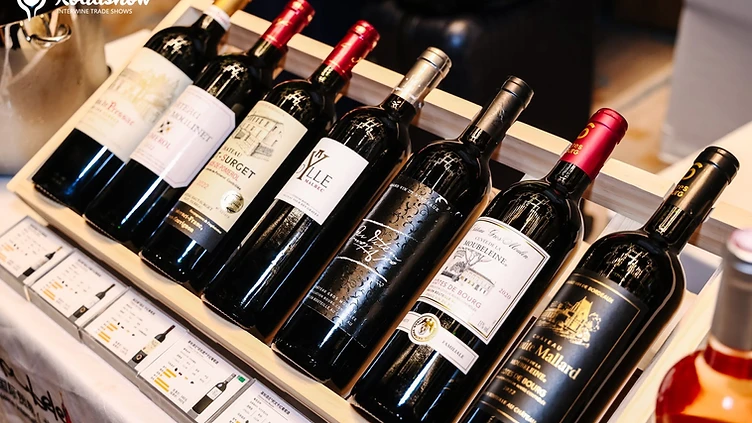
Discover how foreign wineries can find, vet, and partner with wine importers and distributors in Tianjin, the critical maritime logistics hub of Northern China.
To find qualified wine importers and distributors in Tianjin, international wine producers must tap into the Bohai Economic Rim’s primary maritime gateway rather than relying on Southern or Eastern China distributors alone. Tianjin serves as the premier deep-water shipping access point for the entire Jing-Jin-Ji (Beijing-Tianjin-Hebei) megalopolis. Navigating this marketplace demands targeting licensed import-export trading houses clustered around the Tianjin Port Free Trade Zone, engaging qualified distributors across key urban districts like Heping and Binhai, and leveraging national B2B matching channels and specialized trade fairs to convert prospects into sustainable commercial accounts.
Why Tianjin Matters: The Maritime Gateway to Northern China
Tianjin occupies a strategic position in China’s imported wine landscape. While Shanghai and Guangzhou traditionally command high import volumes, Tianjin acts as the principal sea logistics node for Northern China. The Port of Tianjin handles maritime freight feeding metropolitan Beijing, Hebei Province, and inland distribution networks stretching toward Inner Mongolia and Shanxi.
According to an analysis by MSA Advisory (2026), the broader Chinese wine sector reached an estimated market value of $40.4 billion in 2024, supported by an expanding base of professional beverage channels. For foreign wineries, establishing direct ties with Tianjin-based logistics companies, bonded zone operators, and regional distributors removes the expensive markups introduced when goods land in Southern ports and are subsequently transshipped by third parties across long domestic rail or road routes.
Locating Tianjin Wine Importers: Key Hubs and Commercial Clusters
Tianjin’s import ecosystem is bifurcated between logistics-oriented state and private clearinghouses operating in coastal logistics zones, and commercially focused consumer distribution firms located within the urban center.
1. Tianjin Port Free Trade Zone and Donggang Logistics Node
Producers seeking primary customs clearance, warehousing, and wholesale redistribution must focus on enterprises established within the Tianjin Port Free Trade Zone (TJFTZ) and adjacent Binhai New Area. Entities registered here—such as Tianjin Port Free Trade Zone Xingheng International Trade Co., Ltd. and Tianjin Port Donggang Logistics Co., Ltd.—maintain bonded warehousing facilities, cold-chain terminal support, and direct integration with Tianjin Customs. These houses act as first-tier consignees capable of executing commercial clearance and forwarding pallet loads to secondary wholesalers across Hebei and Beijing.
2. Urban Commercial Wholesalers (Heping, Nankai, and Hexi Districts)
While bonded facilities handle shipping, the companies managing retail off-take, private-client gifting, corporate banqueting, and upscale dining are concentrated in central urban districts. Importers servicing downtown Tianjin focus heavily on corporate hospitality, high-end hotel partnerships (such as those along the Haihe River), and local supermarket supply chains. Distributors in these central districts often act as tier-two wholesalers who buy directly from national tier-one players or partner with foreign wineries for exclusive regional SKUs.
Step-by-Step Methodology to Vet and Select Tianjin Partners
Finding prospective buyers is straightforward; selecting partners with sound financial health, genuine route-to-market execution, and full regulatory compliance requires methodical due diligence.
Foreign Winery
      │
      ▼
Step 1: CIFER Producer Registration (GACC Decree 248)
      │
      ▼
Step 2: Customs & Partner Verification (Binhai Customs / National Enterprise Credit System)
      │
      ▼
Step 3: Commercial Channel Alignment (HORECA vs. Corporate Gifting vs. Regional Retail)
      │
      ▼
Step 4: Commercial Terms & Pricing (CIF Model factoring ~50% Compound Duties/Taxes)
      │
      ▼
Step 5: Direct Negotiation & Face-to-Face Business Matching
Step 1: Verify Regulatory Compliance (CIFER & GACC)
Before initiating formal sales talks, confirm your production establishment is fully registered in China's CIFER system (China Import Food Enterprises Registration), as mandated by General Administration of Customs of China (GACC) Decrees 248 and 249. As highlighted by the EU SME Centre, production establishment registration is a strict prerequisite before any shipment can be processed by Chinese customs officials at Tianjin Port.
Step 2: Conduct Enterprise Due Diligence
Verify the Chinese partner's business license (Yingye Zhizhao) and unified social credit code using China's National Enterprise Credit Information Publicity System. Importers must hold an active food circulation license (Shipin Jingying Xukezheng) and customs registration certificate (Zhengshu). Examine whether the buyer maintains actual warehousing capabilities in Tianjin or merely serves as an intermediary trader with no stock-holding capacity.
Step 3: Map Channel Capabilities
Evaluate where the importer’s real distribution strength lies. As noted by BestWineImporters (2026), Chinese wine buyers often specialize across distinct verticals:
- Corporate Banqueting & Gifting: Demands premium packaging, recognizable appellations, and gift sets designed for corporate clientele.
- Modern On-Premise (HORECA): Focuses on boutique estates, organic certifications, and distinctive varietals suited for contemporary bistros and luxury hotel bars.
- Sub-Distribution Networks: Focuses on high-volume, reliable entry-level table wines to supply retail networks across Tianjin, Langfang, Tangshan, and Baoding.
Navigating Financial and Cost Realities at Tianjin Port
Foreign wineries must accurately compute their landed commercial cost. According to BestWineImporters (2026), standard imported bottled still wine is subjected to a compounding tax structure consisting of approximately 14% customs tariff, 10% consumption tax, and 13% value-added tax (VAT). Combined, these duties add roughly ~50% over the baseline CIF (Cost, Insurance, and Freight) valuation before port handling, warehousing, and inland transport charges are incurred at the Port of Tianjin.
| Pricing Element | Typical Impact / Baseline | Strategic Note for Wineries | | :--- | :--- | :--- | | Customs Tariff | ~14% (Bottled Still Wine) | Varies based on Free Trade Agreements (e.g., bilateral terms) | | Consumption Tax | 10% | Levied on compounded wholesale import price | | Value-Added Tax (VAT) | 13% | Applied following customs duty and consumption assessments | | Cumulative Tax Burden | ~50% over CIF | Demands realistic FOB margin calculation from winery | | Local Drayage & Bonded Hub | Tianjin Port Free Trade Zone | Essential to partner with local licensed cold-chain forwarders |
For American wineries navigating documentation, the US Alcohol and Tobacco Tax and Trade Bureau (TTB) notes that China requires a consolidated Wine Export Certificate to prove origin, health status, and free-sale authenticity. Ensure these administrative workflows are synchronized with your Tianjin partner's customs broker prior to port arrival.
Sourcing Tianjin Buyers Through Strategic Channels
Wineries seeking qualified distributors should avoid passive web directories or untargeted cold emailing, which rarely build meaningful commercial momentum in Northern China.
- Specialized Commercial Database Mining: Tools provided by B2B intelligence services like BestWineImporters allow wineries to cross-reference customs shipment records, filter registered alcohol buyers by geography, and isolate importers actively pulling containers through Tianjin Customs.
- Targeted Business Matching: Direct engagements brokered via professional networks yield higher conversion. Producers can coordinate scheduled meetings with verified regional decision-makers through tailored Business Matching services.
- National Industry Trade Platforms: While regional distributor roadshows occur in Northern China, major commercial negotiations, portfolio reviews, and multi-region distributor agreements take place at premier national wine trade exhibitions. Wineries that plan to scale distribution across Tianjin and broader secondary regional hubs should proactively Become an Exhibitor at high-caliber industry events, allowing them to capture Northern, Eastern, and Southern regional distributors under one coordinated commercial framework.
- Reviewing Market Intelligence: Staying current with shifting consumer patterns, tariff enforcement shifts, and regional buying sentiment is essential; review dedicated Market Insights to keep trade expectations aligned with evolving Chinese commercial dynamics.
Conclusion
Establishing a reliable distribution footprint in Tianjin unlocks not only a municipality of over 13 million residents but also the wider Jing-Jin-Ji economic basin. By anchoring your search in the Tianjin Port Free Trade Zone, conducting thorough enterprise diligence, factoring port-specific CIF compounding tax models, and meeting buyers face-to-face, your winery can build a resilient, profitable commercial foothold in Northern China.
Sources
- EU SME Centre: How Can I Export Wine to China?
- MSA Advisory: Wine Market in China: Trends, Growth, and Consumer Preferences (2026)
- US TTB: Wine Export to China Regulatory Guidelines
- BestWineImporters: A Wine Exporter’s Guide to Finding Buyers in China and Working with Chinese Wine Importers (2026)
Key Takeaways
- —Tianjin serves as the primary maritime entry and customs clearance gateway for the entire Jing-Jin-Ji (Beijing-Tianjin-Hebei) economic megalopolis.
- —First-tier logistics importers are clustered in the Tianjin Port Free Trade Zone (TJFTZ) and Binhai New Area, while commercial sales distributors operate in urban hubs like Heping and Nankai.
- —China's compounding tax profile (tariff, VAT, consumption tax) adds approximately 50% to a wine's CIF value upon customs clearance at Tianjin Port.
- —Foreign wine producers must secure GACC CIFER establishment registration prior to dispatching shipments to Tianjin.
- —Face-to-face meetings and dedicated trade matchmaking remain the most dependable pathways to qualify and sign reliable Tianjin beverage distributors.
Frequently Asked Questions
Why should wineries target wine importers in Tianjin instead of Shanghai?
Tianjin is the principal maritime port of entry for Beijing and Northern China (the Jing-Jin-Ji region). Shipping directly to Tianjin reduces domestic transshipment freight costs, simplifies regional cold-chain management, and connects wineries with local wholesalers who possess deep market penetration in Northern municipalities.
What licenses must a Tianjin wine importer possess?
A legitimate Tianjin wine importer must hold a standardized Business License (Yingye Zhizhao), a Food Business/Circulation License (Shipin Jingying Xukezheng), and active registration with China Customs (GACC) with import-export operational rights.
What taxes apply to imported bottled wine arriving at Tianjin Port?
Imported bottled still wine faces three core taxes: an import duty (typically ~14%), a value-added tax (13%), and an alcohol consumption tax (10%). Due to the compounding calculation method, this results in an effective total tax load of roughly 50% over CIF value.
How can foreign wineries verify Tianjin buyers remotely?
Wineries can audit potential partners by requesting their unified social credit code, cross-referencing company filings on China's National Enterprise Credit Information Publicity System, inspecting import histories via trade data providers, and engaging professional business-matching organizers.