How to Find Prosecco Importers in China
Discover how Italian sparkling wine producers can identify, screen, and partner with qualified Prosecco importers in China through trade fairs, regional routes, and targeted on-trade positioning.
To find qualified Prosecco importers in China, Italian wineries must shift away from broad, generic wine distributor lists and target specialized trade channels. The fastest route involves three concurrent steps: engaging vetted buyers through professional beverage exhibitions in tier-1 commercial hubs, screening regional importers that supply the expanding on-trade and e-commerce sectors, and tailoring commercial offerings specifically to younger Chinese consumers driving the Italian sparkling wine boom. By combining verified customs intelligence, structured business matching, and localized compliance support, producers can build durable commercial partnerships across mainland China.
The Chinese Sparkling Wine Landscape: Why Prosecco Matters Now
China's broader wine market has undergone substantial structural transformation. While traditional full-bodied reds historically dominated business banquets, dynamic consumer categories—specifically sparkling wines—are carving out significant growth. According to industry analysis published by Vino Joy News (2025), sparkling wine sales in China rose 10% in 2024 even as still wine volumes dropped 9% year-on-year, driven by lifestyle-oriented drinking among younger demographics.
For Italian sparkling producers representing Prosecco DOC and Conegliano Valdobbiadene Prosecco Superiore DOCG, this shift represents a prime commercial opening. Italian sparkling wines offer an approachable flavor profile, vibrant effervescence, and accessible pricing that appeal directly to consumers aged 18 to 35. Rather than resting on dining tables at state banquets, Prosecco is consumed in casual bistros, Italian dining venues, rooftop lounges, and live-streaming e-commerce channels across top-tier cities.
However, entering this market requires an understanding of buyer segmentation. Wineries cannot treat China as a single territory; identifying the right partner requires knowing who the actual import buyers are and how their distribution channels operate.
Understanding Importer Profiles in Mainland China
Before initiating commercial outreach, sparkling wine producers must categorize potential Chinese trade partners based on operational capabilities and regional footprints.
1. Dedicated On-Trade (HoReCa) Importers
These importers specialize in selling directly to high-end hotels, western restaurants, cocktail lounges, and wine bistros. Major beverage distributors—such as China Wine & Spirits (CWS)—maintain dedicated Italian portfolios that leverage Prosecco by-the-glass (BTG) programs to maintain consistent volume, as reported in Vino Joy News (2025). For a Prosecco DOC producer offering reliable volume and competitive price-to-quality ratios, partnering with an on-trade specialist guarantees recurring orders and brand visibility.
2. Digital-First and Cross-Border E-Commerce Merchants
China remains the world's most sophisticated online alcohol marketplace. Platforms such as Tmall, JD.com, and Douyin drive rapid sparkling wine sales, especially during promotional shopping festivals (such as 618 and Double 11). Importers focused on digital channels look for attractive packaging, distinct label narratives, and strong digital marketing assets. They prioritize supply stability and margins that accommodate online promotions.
3. Regional Wholesalers in Secondary and Inland Hubs
While coastal gateways like Shanghai, Shenzhen, and Guangzhou remain top distribution centers, significant growth is occurring in emerging metropolitan areas such as Chengdu, Wuhan, Hangzhou, and Chongqing. As highlighted in Vino Joy News (2024), regional distributors have gained market share by tapping into local consumer groups. Finding an importer with dedicated territorial exclusivity in Southwest or Central China can often yield faster inventory clearance than competing for shelf space among saturated first-tier distributors.
Practical Steps to Find and Screen Prosecco Importers
Navigating China’s distribution landscape requires a systematic search process to filter out inactive intermediaries and identify legitimate, licensed buyers.
Step 1: Engage Face-to-Face at Professional Trade Fairs
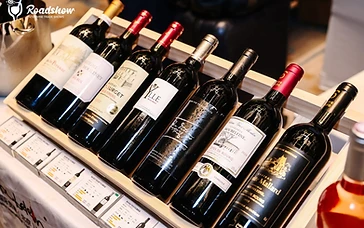
In mainland China, business relationships (guanxi) and sensory validation depend heavily on face-to-face interaction. Importers and on-trade procurement managers rarely contract with international wineries purely through cold email or digital directories. Professional exhibitions allow buyers to evaluate effervescence, residual sugar levels, and packaging firsthand.
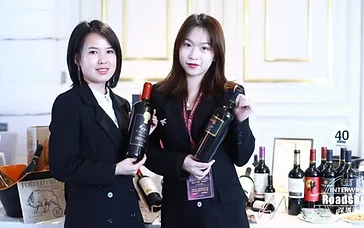
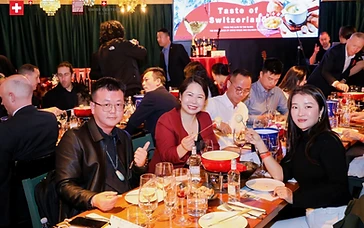
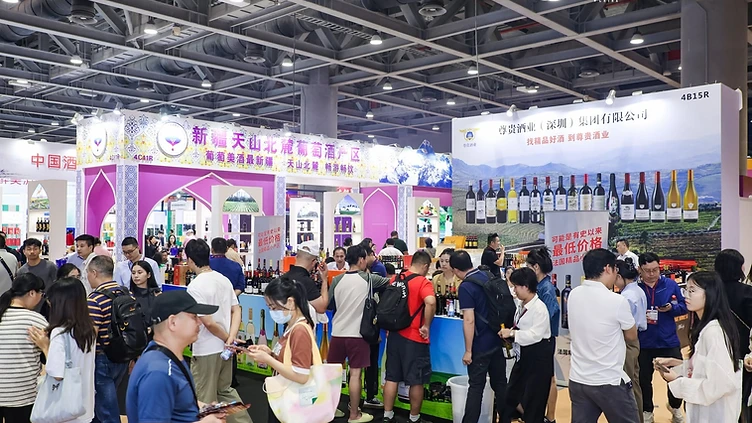
Producers seeking verified commercial access should proactively Become an Exhibitor at established industry platforms such as Interwine. Securing a booth at specialized wine trade events puts your portfolio directly in front of pre-screened importers, hotel food and beverage directors, and regional retail buyers.
Step 2: Utilize Pre-Arranged Business Matching
Unstructured booth traffic can yield mixed results. To maximize commercial return on investment, producers should utilize structured Business Matching services. These services pair Italian exporters with registered Chinese buyers seeking specific price points (e.g., entry-level DOC vs. single-vineyard DOCG Rive) and specified packaging formats. Reviewing buyer criteria in advance streamlines negotiations regarding minimum order quantities (MOQs) and regional territories.
Step 3: Analyze Trade Customs Data and Industry Reports
Examine published customs reports and import directories to identify active companies bringing Italian sparkling wine through key customs districts (such as Shanghai, Huangpu, Shenzhen, and Ningbo). Verified commercial databases reveal which trading houses hold valid General Administration of Customs of China (GACC) import licenses and maintain regular container clearance schedules.
Step 4: Validate Importer Licensing and Infrastructure
Before shipping samples or signing distribution contracts, verify the prospective partner's commercial credentials:
- GACC Importer Registration: Confirm that the importer is officially registered on the China Single Window system to clear wine shipments.
- Temperature-Controlled Warehousing: Sparkling wine is sensitive to heat and pressure variations. Ensure your buyer operates climate-controlled warehousing, especially in the humid southern provinces.
- Sub-Distribution Networks: Ask whether the importer distributes directly or resells to secondary provincial sub-dealers. A transparent supply chain prevents inventory stagnation.
Crafting a Compelling Pitch for Chinese Buyers
Chinese wine buyers evaluate prospective international brands through clear commercial metrics. As industry veteran Stevie Kim noted in an interview with Beverage Trade Network, price competitiveness, clear brand narrative, and guaranteed volume continuity are decisive factors for Chinese wine distributors. Address these operational expectations directly:
- Tailored Price Architecture: Provide structured Free On Board (FOB) and Cost, Insurance, and Freight (CIF) price lists with calculated margin tiers for regional wholesalers and on-premise venues.
- Co-Invested Marketing Budgets: Importers frequently expect overseas suppliers to share initial promotional costs. Provide a dedicated budget for masterclasses, digital collateral on WeChat, and branded glassware.
- Clarity on Territorial Exclusivity: Be prepared to discuss provincial vs. national exclusivity. Granting regional exclusivity (e.g., Guangdong province or East China) tied to verifiable purchase milestones is standard practice and protects your brand from underperforming exclusive contracts.
- Adapted Product Labeling: Ensure your Chinese back-labels comply with State Administration for Market Regulation (SAMR) standards, detailing mandatory alcohol by volume (ABV), ingredients (such as sulfites), and importer details.
Next Steps: Structuring Your China Market Entry
Finding the right Prosecco importer in China requires active market presence, validated intelligence, and direct engagement with regional trade buyers. By preparing your brand positioning, aligning your export pricing, and engaging qualified buyers through professional trade exhibitions, your winery can secure sustainable distribution across this evolving market.
To discover upcoming trade opportunities and connect directly with verified wine buyers across China, explore our latest Market Insights and plan your participation today.
Sources
- Vino Joy News: What's Driving China's Italian Sparkling Wine Boom? (2025), https://vino-joy.com/2025/08/01/whats-driving-chinas-italian-sparkling-wine-boom/
- Vino Joy News: Here Are China's 50 Top Wine Importers (2024), https://vino-joy.com/2024/05/27/here-are-chinas-50-top-wine-importers/
- Beverage Trade Network: Interview With Stevie Kim: Expectations Of China Wine Importers, https://beveragetradenetwork.com/en/btn-academy/articles/interview-with-stevie-kim-expectations-of-china-wine-importers-323.htm
- European Guanxi: Prosecco and China, https://www.europeanguanxi.com/post/prosecco-and-china
Key Takeaways
- —Sparkling wine represents a resilient, expanding category in China, with sales growing 10% in 2024 despite overall still wine contractions.
- —Prosecco demand is driven by younger consumers (ages 18-35) patronizing casual on-trade venues, wine bistros, and e-commerce platforms.
- —Importers vary significantly across direct HoReCa distributors, e-commerce retailers, and regional inland wholesalers.
- —Face-to-face evaluation at professional trade events remains the most reliable mechanism for securing verified Chinese buyers.
- —Wineries must verify GACC import registrations, climate-controlled storage capabilities, and sub-dealer networks before signing distribution agreements.
Frequently Asked Questions
Is Prosecco demand really growing in China?
Yes. While the overall Chinese wine market has seen contractions in traditional red wines, sparkling wines grew 10% in 2024 according to industry data. Younger urban consumers increasingly prefer the accessible price, lower alcohol perception, and casual drinking style of Italian sparkling wines like Prosecco.
What licenses should a Chinese Prosecco importer possess?
A legitimate importer must possess an official business license with an approved scope for food and beverage importation, a valid registration with the General Administration of Customs of China (GACC) Single Window, and local customs inspection clearance records.
Should Italian wineries grant nationwide exclusivity to a single Chinese importer?
Generally, no. China is a massive, continent-sized market with distinct regional dynamics. Granting nationwide exclusivity can limit growth if the distributor only has strong coverage in one region. A safer approach is granting territorial exclusivity (such as East China or South China) tied to strict annual sales performance milestones.
How can wineries verify the legitimacy of potential Chinese wine buyers?
Wineries should request the company's Chinese Unified Social Credit Code, cross-check their registration on the National Enterprise Credit Information Publicity System, inspect their customs import records, and meet management teams directly at established trade exhibitions.