How to Find Low-Alcohol Wine Importers in China
Discover how overseas wineries and distributors can identify, vet, and partner with qualified low-alcohol wine importers in China amid changing consumer dynamics and stricter customs standards.
Finding low-alcohol wine importers in China requires moving away from legacy distributor lists and zeroing in on specialized channels: digital commerce distributors, modern on-trade suppliers, and corporate banquet wholesalers. As mainland consumers gravitate toward wellness, casual drinking occasions, and designated-driver etiquette, low-alcohol and dealcoholized wines have emerged as resilient growth niches in an otherwise polarized import market.
To build a viable commercial pipeline, international wine producers must navigate evolving customs classifications, evaluate partner capabilities across Tier-1 and regional cities, and leverage face-to-face trade platforms like Interwine to negotiate with decision-makers directly.
Understanding China's Low-Alcohol Wine Market Shift
For over two decades, mainland China's wine import landscape was dominated by full-bodied, high-alcohol red wines tailored for banquet gifting and corporate prestige. However, consumption behaviors have fundamentally diversified. According to the ProWine Business Report (2025), while over 50% of surveyed trade merchants expected traditional imported still wine sales to decline through 2027, low-alcohol wines, alcohol-free wines, and sparkling wines emerged among the segments forecast to record the strongest sales performance.
This structural shift is mirrored by macro beverage trends. Research published by Deep Market Insights (2026) calculated China's low-alcohol beverages market size at USD 138.73 million in 2025, projecting it to reach USD 203.43 million by 2034. Furthermore, trade analysis reported by Vino Joy News (2026) notes that China accounts for approximately 31% of non-alcoholic and low-alcohol wine consumption across the Asia-Pacific region, making it the single largest market in the geographic zone.
Commercial demand stems from distinct use cases:
- Corporate Banqueting Substitution: Business hosts, designated drivers, and professionals seek bottles that look identical to traditional fine wine on the banquet table to participate in toasts without consuming ethanol.
- Casual and Female Demographics: Younger consumers (Gen Z and millennials) prioritize "light drinking" (微醺, weixun) at home, bistros, and social gatherings, rejecting high-tannin reds in favor of low-ABV sparkling, white, or fruit-infused profiles.
Producers seeking detailed macro trends can review our Market Insights for seasonal breakdowns across top consumption provinces.
The Three Categories of Low-Alcohol Importers in China
Not all Chinese wine distributors are suited to represent low-alcohol wines (typically ranging from 0.5% to 8.5% ABV) or dealcoholized products (below 0.5% ABV). Successful category entry depends on identifying which buyer archetype fits your pricing and packaging format.
┌─────────────────────────────────────────────────────────────────┐
│           CHINESE LOW-ALCOHOL IMPORTER PROFILES                 │
├───────────────────┬──────────────────────┬──────────────────────┤
│ Profile Type      │ Primary Channels     │ Target Consumer      │
├───────────────────┼──────────────────────┼──────────────────────┤
│ Modern On-Trade & │ Natural wine bars,   │ Urban youth,         │
│ Specialty Retail  │ craft bistros,       │ lifestyle drinkers,  │
│                   │ boutique retailers   │ culinary pairings    │
├───────────────────┼──────────────────────┼──────────────────────┤
│ E-Commerce & KOL  │ Douyin livestream,   │ Digitally driven     │
│ Direct Operators  │ Tmall Global, JD,    │ impulse buyers,      │
│                   │ Little Red Book      │ home consumers       │
├───────────────────┼──────────────────────┼──────────────────────┤
│ Corporate Banqueting│ B2B corporate gifts,│ Executives,          │
│ & Event Suppliers │ hospitality groups,  │ ceremonial toasting, │
│                   │ private dining       │ non-drinkers         │
└───────────────────┴──────────────────────┴──────────────────────┘
1. Modern On-Trade & Specialty Boutique Importers
These players supply high-end restaurants, wine bars, and specialty retail shops in Tier-1 and Tier-2 hubs like Shanghai, Shenzhen, Chengdu, and Hangzhou. They value taste integrity, premium dealcoholization processes (such as spinning cone column distillation or reverse osmosis), and authentic varietal character. They seek labels that stand comfortably alongside standard estate wines on a restaurant pairing list.
2. Digital Commerce & Social Livestream Distributors
E-commerce platforms (such as Tmall Global and JD.com) alongside social commerce platforms (Douyin and Xiaohongshu/RED) handle substantial volumes of low-alcohol wines. Importers serving these channels look for visually striking branding, lower price resistance, and products backed by engaging digital assets. As highlighted by VVR International (2026), livestreaming and key opinion leaders (KOLs) have become pivotal mechanisms in defining consumer tastes and driving beverage transaction volume.
3. Corporate Banquet & Hospitality Wholesale Specialists
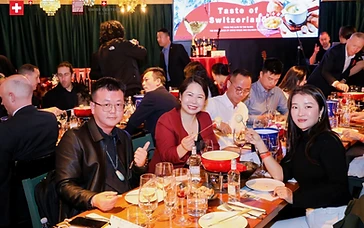
Operating primarily in off-trade, corporate procurement, and large hotel networks, these distributors serve banquet attendees who cannot consume alcohol due to health, personal choice, or strict driving regulations. They require packaging that matches premium bottled wine (standard 750ml formats, cork finishes, classic foil capsules) so the product appears dignified during business dining toasts.
Key Regulatory and Customs Standards for Importing Low-ABV Wine
Navigating China's customs framework is critical before pitching to distributors. Importers cannot clear low-alcohol or dealcoholized products under identical declarations to traditional table wines.
- GACC Manufacturer Registration (Decree 248): Every overseas facility producing, processing, or storing beverages exported to China must secure registration via the China Import Food Enterprise Registration system under the General Administration of Customs of China (GACC).
- Customs HS Code Classifications: Conventional wines fall under HS Code 2204. However, dealcoholized or ultra-low alcohol products (below 0.5% ABV) may be classified under alternative customs headings (such as HS Code 2202 for non-alcoholic beverages or specific preparations), affecting import tariffs and value-added tax (VAT) rates. Confirm the target partner has experience clearing lower-ABV categories through Chinese customs entry ports.
- Chinese National Food Safety Standards (GB 7718): Chinese back-labels must state accurate nutritional panels, allergen statements, sugar content, and genuine ABV levels. If your product is a flavored wine cocktail or wine-based beverage under 7% ABV, mandatory label declarations differ from traditional grape wines.
- Advertising Compliance: Regulatory scrutiny around marketing low-alcohol beverages prohibits making therapeutic, liver-protecting, or sobriety-enhancing claims on digital collateral or commercial packaging.
Step-by-Step Strategy to Source and Qualify Buyers
Securing dependable distribution requires systematic vetting rather than unsolicited email outreach.
Step 1: Filter Regional Buyer Lists
General import registries often list inactive or defunct trading companies. As documented by industry assessments in Vino Joy News (2024), market contractions forced thousands of small wine trading entities out of business, leaving the active sector driven by diversified, agile regional operators. Cross-reference prospective buyer names against Chinese business databases (such as Qichacha or Tianyancha) to verify active customs registration, credit health, and real warehousing infrastructure.
Step 2: Evaluate Cold-Chain and Storage Logistics
Because low-alcohol wines generally possess lower alcohol-based preservative stability and may carry higher residual sugar levels, temperature control during transpacific or Euro-Asian transit and domestic warehousing is essential. Ensure your importer maintains temperature-regulated bonded storage in entry ports such as Guangzhou, Ningbo, or Shanghai.
Step 3: Conduct Structured Commercial Matching
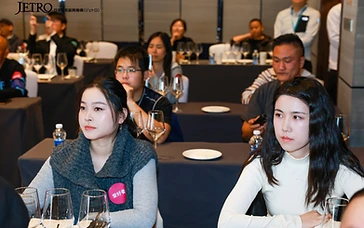
Cold communication yields poor conversion in China's commercial wine trade. Decisions rely heavily on relationship-building (guanxi), face-to-face tastings, and physical brand assessments. Participating in dedicated B2B trade sessions through Interwine's Business Matching services connects brand owners directly with pre-screened regional distributors and procurement directors actively looking for lower-ABV portfolio diversification.
┌────────────────────────────────────────────────────────┐
│           BUYER QUALIFICATION CHECKLIST                │
├────────────────────────────────────────────────────────┤
│ [ ] Valid GACC & domestic Chinese import license       │
│ [ ] Proven experience with HS 2202 / low-ABV clearance │
│ [ ] Temperature-controlled warehousing facilities      │
│ [ ] Established downstream sub-distributor network     │
│ [ ] Dedicated marketing support for in-person tastings │
└────────────────────────────────────────────────────────┘
Accelerate Market Access Through Interwine China
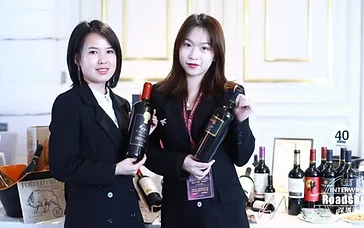
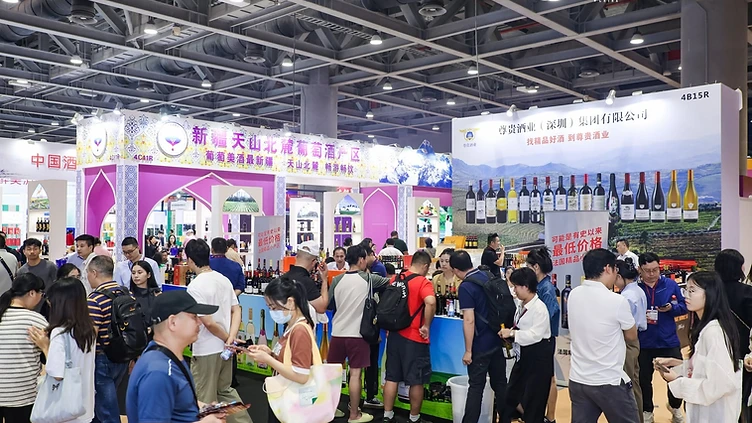
Digital outreach can introduce your brand, but long-term commercial commitments in China are sealed at major trade events. Interwine stands as China's largest and longest-running professional international wine and spirits exhibition, serving as the central gathering point for distributors, nationwide wholesalers, e-commerce buyers, and hospitality groups across the Greater Bay Area and all major commercial provinces.
Exhibiting provides direct access to:
- Hundreds of qualified regional buyers seeking alternatives to standard reds.
- Curated one-on-one business matching sessions with corporate procurement heads.
- On-site sommelier-led masterclasses to present your product's dealcoholization science and flavor profiles directly to trade decision-makers.
If you are an international wine producer, brand owner, or export consortium aiming to capture market share in China's burgeoning low-alcohol sector, Become an Exhibitor at the upcoming Interwine Expo.
Sources
- Vino Joy News (2026) - LoNo Wines Gain Traction in China
- Deep Market Insights (2026) - China Low Alcohol Beverages Market Report
- VVR International (2026) - The Chinese Wine Market in 2026: Trends and Consumption
- Vino Joy News (2025) - China’s Non-Alcoholic Wine Booms Is All Business
- Vino Joy News (2024) - Here Are China’s 50 Top Wine Importers
Key Takeaways
- —China accounts for roughly 31% of Asia-Pacific's low- and no-alcohol wine consumption, making it the top regional growth opportunity.
- —B2B corporate banquet etiquette and youth social drinking are the two primary drivers for low-alcohol wine demand in mainland China.
- —Importers of low-alcohol wines fall into three distinct profiles: modern on-trade boutique distributors, e-commerce livestream operators, and corporate hospitality wholesalers.
- —Customs declaration for low-alcohol and dealcoholized products requires strict adherence to GACC Decree 248 and precise HS code classification.
- —Face-to-face commercial tasting and structured trade exhibitions remain the most reliable path to securing qualified Chinese regional distributors.
Frequently Asked Questions
What is considered a low-alcohol wine under Chinese import rules?
In trade parlance, low-alcohol wines generally refer to products with an alcohol by volume (ABV) between 0.5% and 8.5%, while products below 0.5% ABV are classified as dealcoholized or non-alcoholic. Depending on the exact ABV and formulation, Chinese customs may classify products under standard wine categories (HS 2204) or specialty beverage categories (HS 2202), each carrying specific testing and labeling parameters.
Why are Chinese consumers and corporate buyers turning to low-alcohol wine?
Demand is fueled by two distinct market drivers: corporate banqueting where business attendees use dealcoholized or low-ABV wine to satisfy social toasting rituals without intoxication or drink-driving risks, and younger lifestyle consumers seeking lighter, fruit-forward, or sparkling wines for relaxed home consumption and casual dining.
Can I use standard wine distribution channels to sell low-alcohol wine in China?
While traditional fine wine distributors can handle low-alcohol portfolios, success is significantly higher when partnering with specialized importers operating across modern on-trade bistros, boutique food-and-beverage retailers, corporate catering suppliers, and digital commerce channels (such as Tmall, JD.com, and Douyin livestream networks).
What registrations are required before shipping low-alcohol wine to China?
All foreign manufacturers must obtain an enterprise registration number with the General Administration of Customs of China (GACC) under Decree 248. Products must also comply with national food safety standards (GB 7718 for prepackaged food labels) with Chinese back-labels declaring net volume, alcohol percentage, ingredients, and storage conditions.
How does Interwine help wineries connect with low-alcohol wine importers?
Interwine hosts China's premier international wine exhibitions, bringing thousands of verified regional importers, corporate buyers, and digital channel operators together. Through scheduled business matching sessions and exhibitor showcases, producers can present their low-alcohol wines directly to verified commercial buyers.