How to Find Brandy Importers in China
A commercial roadmap for brandy producers navigating China's evolving spirits market: how to identify vetted importers, manage regulatory hurdles, and leverage B2B trade platforms.
To successfully find and partner with qualified brandy importers in China, international producers must move beyond speculative outreach and align directly with professional, licensed distribution networks across Tier-1 and emerging Tier-2 hubs. The most effective route involves participating in verified offline trade exhibitions such as INTERWINE, accessing regional alcoholic beverage associations, and screening buyers using official Chinese customs and corporate credit registries. In a market recalibrating after post-pandemic inventory adjustments, securing an importer requires strategic category positioning, compliant General Administration of Customs of China (GACC) documentation, and realistic commercial terms tailored to current retail and on-premise consumption trends.
Understanding China's Brandy Market Dynamics
Brandy, particularly French Cognac, has historically commanded the highest prestige and value among imported spirits in Mainland China. According to a market report by Wine Intelligence published in 2025, France maintained an overwhelming share of China's brandy import market in 2024, accounting for 99.21% of total imports. Major houses such as Hennessy, Martell, and Rémy Martin have defined consumer perceptions for decades, cementing categories like V.S.O.P. and X.O. as benchmarks of luxury gifting and banquet culture.
However, commercial conditions have fundamentally adjusted. Trade figures reported by Wine Intelligence in 2025 showed that China's brandy imports declined 19.13% in volume and 29.55% in value in 2024 compared to 2023. This contraction stemmed from high post-COVID domestic inventories, economic headwinds, and the subsequent digestion of stockpiles rushed in ahead of regulatory probes. Trade reporting by Just Drinks in 2025 noted that China's Ministry of Commerce (MOFCOM) anti-dumping proceedings against EU wine-based and marc-based spirits resulted in definitive measures and specific price undertaking arrangements with select producers.
For mid-sized, craft, and regional brandy distillers (whether from France, Spain, Armenia, Georgia, or the Americas), these market shifts provide an opening. Chinese distributors are actively looking beyond saturated flagship labels to secure agile partnerships, competitive price-to-quality ratios, and distinct brand stories that appeal to younger urban consumers in cocktail bars and boutique retail. You can stay informed on these shifting commercial currents through INTERWINE's Market Insights.
Profiles of Brandy Buyers in China
Identifying the right buyer requires understanding how imported spirits flow across the country. Importers generally fall into three operational categories:
- National State-Owned and Mega Distributors: Giants like COFCO and large multinational trading houses handle high volume and possess sweeping national distribution. They primarily seek legacy brands with massive existing marketing support.
- Regional Specialist Spirits Importers: Operating across key regions—such as Guangdong (the traditional economic epicenter for brandy consumption), Shanghai, Zhejiang, and Sichuan—these companies supply regional banquet circuits, corporate accounts, high-end entertainment venues (KTVs and clubs), and independent specialist bottle shops.
- Modern On-Premise & E-Commerce Merchants: Fast-growing distributors in cities like Shenzhen, Chengdu, and Hangzhou focusing on craft bars, mixology venues, boutique retail, and social commerce platforms (Douyin, Tmall, Xiaohongshu). These buyers seek distinct terroir, craft credentials, and accessible entry-level sipping brandies.
Step-by-Step Guide to Finding and Vetting Importers
1. In-Person Engagement at Professional B2B Expos
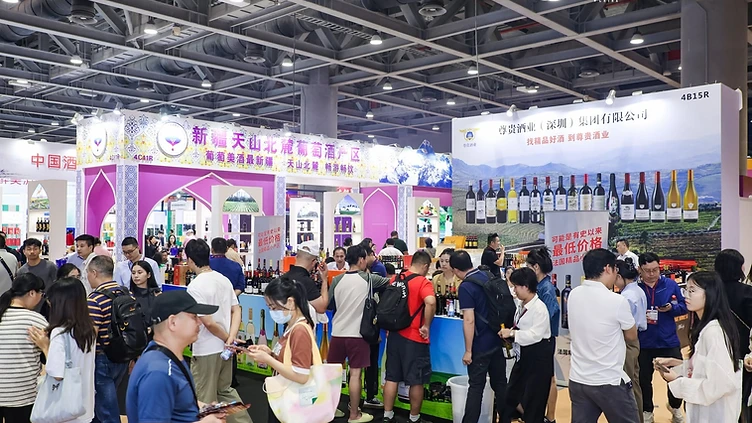
Digital cold-calling yields low conversion in China's alcoholic beverage sector, where face-to-face trust, sensory evaluation, and personal rapport drive distribution contracts. Exhibiting at professional trade fairs remains the standard pipeline for securing qualified distribution partners. Producers looking to establish a footprint should consider taking an active commercial stance and apply to Become an Exhibitor at INTERWINE, China's premier international wine and spirits exhibition.
Participating as an exhibitor positions your portfolio directly in front of pre-qualified spirits wholesalers, regional importers, and hospitality procurement directors. Exhibitors can also take advantage of dedicated Business Matching programs, which pair overseas distillers with active regional buyers based on price point, volume capacity, and regional coverage. Reviewing the historical Exhibitor Directory provides visibility into the peer brands and commercial operators driving business at the show.
2. Cross-Checking Buyer Credentials and Regulatory Standing
Before entering formal distribution discussions, producers must conduct basic due diligence:
- Unified Social Credit Code: Check the importer's corporate registration on the National Enterprise Credit Information Publicity System (NECIPS) to confirm they possess a valid business license with an approved scope for food and alcoholic beverage distribution.
- Customs Registration: Verify that the buyer is registered as a consignee of imported food with the General Administration of Customs of China (GACC).
- Physical Warehousing: Ensure the partner controls temperature-regulated storage facilities, particularly if shipping to high-humidity, high-temperature southern provinces like Guangdong and Fujian.
3. Engaging Regional Trade Bodies and Chambers of Commerce
Leverage bilateral commercial counselors and national beverage associations. Organizations such as Business France, ICEX Spain, and national export boards regularly organize commercial delegations, tasting events, and buyer tours. Cross-referencing trade missions with targeted participation in Interwine Events allows producers to maximize their brand exposure.
Regulatory Requirements and Commercial Readiness
Exporting brandy to China requires strict adherence to mandatory technical and customs frameworks:
- GACC Decree 248 Registration: In effect since January 1, 2022, all overseas food and beverage manufacturing, processing, and storage facilities must obtain registration with the General Administration of Customs of China (GACC) via the China Import Food Enterprise Registration platform (CIFER) before dispatching goods.
- National Standards (GB Standards): Brandy imported into China must comply with national standards covering distilled spirits, including strict limits on methanol, cyanide, lead, and food additives. Verify that your laboratory certificates align with Chinese food safety criteria.
- Chinese Labeling Regulations: Outer packaging and bottles must feature compliant Chinese back labels before customs clearance. These labels must specify the product name, alcohol content, net volume, country of origin, importer/distributor contact details, production date, and mandatory warning statements.
Mitigating Market Risks: Inventory, Tariffs, and Exclusivity
To safeguard your commercial interests, structure initial agreements carefully:
- Avoid Premature Exclusive National Contracts: Many overseas producers mistakenly hand national exclusivity to an importer with presence in only one or two provinces. Begin with regional or milestone-based distribution contracts tied to minimum purchasing volumes.
- Factor in Tariff and Duty Realities: Maintain visibility over ongoing bilateral trade measures. EU-based producers must account for current customs deposit requirements and anti-dumping rules when establishing landed cost models (CIF vs. DDP).
- Protect Intellectual Property Early: Register your trademarks (both Latin-script and localized Chinese brand names) with the China National Intellectual Property Administration (CNIPA) before sending commercial samples or launching public marketing campaigns.
Conclusion
Navigating China’s brandy sector requires moving away from speculative volume projections toward structured, compliant, and localized B2B partnerships. By understanding shifting consumption trends, completing GACC compliances, and meeting vetted buyers directly through specialized industry platforms, distilleries can successfully secure long-term, profitable distribution in this vital market.
Sources
- Wine Intelligence - China's Imported Spirits Market Faces Steep Decline in 2024
- Reuters - China Targets Brandy in EU Trade Tit-for-Tat After EV Tariff Move (2024)
- Just Drinks - China Confirms Duties on EU Brandy, Some Companies Exempt (2025)
- Ministry of Commerce of the People's Republic of China (MOFCOM) - Regular Press Conference Records (2024)
Key Takeaways
- —France continues to dominate China's imported brandy market, accounting for 99.21% of import value in 2024 according to Wine Intelligence.
- —China's brandy imports contracted by 19.13% in volume and 29.55% in value in 2024, prompting distributors to seek diversified portfolios and value-driven brands.
- —Face-to-face B2B interaction through established platforms like INTERWINE provides the most reliable route to vetted, licensed regional importers.
- —Producers must secure GACC facility registration under Decree 248 and register trademarks with CNIPA before shipping commercial volumes.
- —Avoiding broad national exclusivity in favor of performance-based regional agreements protects brands against inventory bottlenecks.
Frequently Asked Questions
What documentation is required to export brandy to China?
Producers must obtain an overseas manufacturing facility registration code from the General Administration of Customs of China (GACC) under Decree 248 via the CIFER platform. Shipments also require a Certificate of Origin, official sanitary/health certificate, certificate of analysis (testing compliance with Chinese GB spirits standards), and compliant Chinese-language back labels.
Which Chinese provinces consume the most imported brandy?
Guangdong province is historically the single largest consumer and entry port for imported brandy and Cognac in China, driven by established business dining and banquet customs. Other significant regional markets include Shanghai, Zhejiang, Fujian, and emerging western commercial centers like Chengdu in Sichuan.
How can an exporter verify whether a Chinese brandy importer is legitimate?
You can verify a company's legal status by requesting their Unified Social Credit Code and reviewing their record on the Chinese government's National Enterprise Credit Information Publicity System (NECIPS). Confirm that their business license includes food and alcohol circulation, and verify that they hold valid customs consignee registration with GACC.
Should overseas distillers grant exclusive distribution rights across China?
It is generally advisable to avoid nationwide exclusivity on initial agreements. China's market is vast and fragmented; most regional importers specialize in specific provinces or sales channels. Structuring contracts around designated territories with clear sales milestone reviews protects your brand from underperformance.
How does exhibiting at INTERWINE help distillers find brandy importers?
Exhibiting at INTERWINE positions your portfolio directly in front of thousands of professional regional distributors, wholesalers, and hospitality buyers across China. INTERWINE also provides specialized business-matching services that connect international producers with vetted buyers seeking specific spirits categories and price brackets.