How to Find Sake Importers in China
Discover how to find qualified sake importers in China. Explore commercial routes, due diligence, cold-chain compliance, and verified B2B matching to scale your brewery.
To find qualified sake importers in China, breweries and distributors must target the right buyer profile across high-end on-premise dining, specialty retail, and tier-one regional distributors. Connecting with vetted partners requires verified trade data platforms, structured B2B matching at industry trade shows like Interwine, and direct engagement with established nationwide drinks merchants who possess temperature-controlled cold-chain logistics and active import licenses.
According to customs statistics released by the Japan Sake and Shochu Makers Association (JSS), global Japanese sake exports reached a record ¥45.9 billion in 2025 across 81 export destinations, with mainland China maintaining its position as the largest single destination by value according to trade analysis by Vino Joy News (2026). Despite structural headwinds across the broader commercial alcohol market—where general wine importer numbers contracted by over 30% during industry consolidation (Vino Joy News, 2026)—the premium sake category has demonstrated resilient margins. Chinese consumer demand has steadily expanded from traditional Japanese restaurants (izakayas and omakase dining) into modern bistro dining, luxury hospitality, and specialized retail boutiques.
Successfully scaling in this market requires navigating strict regulatory hurdles, cold-chain requirements, and territory management. This guide outlines the commercial strategies needed to identify, vet, and contract the right Chinese sake importer for your portfolio.
Understanding the Sake Importer Landscape in China
Navigating China's sake market requires understanding that "sake importers" are not a monolithic group. Importers generally fall into three distinct operational models, each serving different distribution channels and volume profiles:
1. Nationwide Fine Wine & Spirits Merchants
Established fine wine houses—such as EMW Fine Wines, which operates across more than 160 Chinese cities—have diversified aggressively into premium Japanese sake (EMW Fine Wines). These players possess sophisticated temperature-controlled warehousing, deep relationships with five-star hotel groups, Michelin-starred western and fusion venues, and dedicated private VIP customer networks. They seek boutique, artisanal producers with compelling provenance stories, recognizable awards, and refined Junmai Daiginjo or seasonal Koshu offerings.
2. Specialized Japanese Foodservice (HoReCa) Distributors
These importers specialize exclusively in Japanese gastronomy. Their supply chains service sushi counters, yakiniku chains, and high-end omakase restaurants across primary consumption centers like Shanghai, Beijing, Guangzhou, and Shenzhen. They handle high-volume Futsushu and Junmai for house-pour carafes, alongside top-tier cult Daiginjo labels sold by the bottle. While their culinary integration is strong, their retail distribution outside Japanese cuisine can be limited.
3. Regional Tier-2 and Tier-3 Beverage Wholesalers
As consumer sophistication deepens in affluent regional commercial hubs such as Hangzhou, Chengdu, Wuhan, and Qingdao, regional distributors are establishing direct import operations. These distributors frequently manage multi-category portfolios (including beer, baijiu, and imported wine) and dominate local corporate gifting, banquet channels, and independent dining clusters.
5 Proven Routes to Locate Sake Importers in China
Identifying active, solvent, and commercially aligned buyers requires a mix of on-the-ground networking, digital auditing, and verified trade matching.
1. Direct In-Person Sourcing at Major Trade Expos
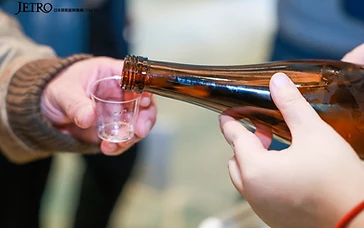
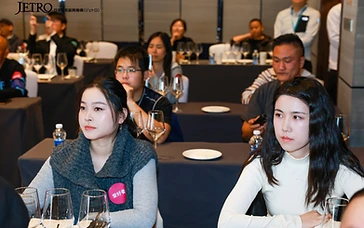
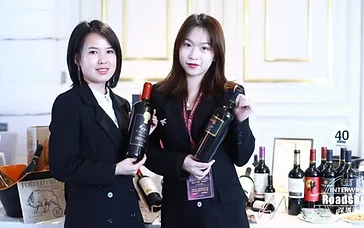
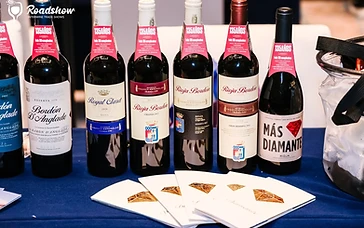
Meeting verified buyers face-to-face remains the most reliable mechanism for signing commercial contracts in China. Sponsoring a stand or participating in curated exhibition pavilions allows overseas brand owners to conduct structured tastings with regional buyers. Brands looking to secure national and regional distribution can Become an Exhibitor at Interwine China, connecting directly with pre-screened commercial alcohol importers, national retail buyers, and regional distributors.
2. Pre-Scheduled B2B Business Matching Programs
Cold outreach via generic email yields minimal return in the Chinese commercial beverage sector. Utilizing dedicated services like Interwine's Business Matching enables producers to review buyer credentials, portfolio gaps, and distribution channels ahead of time, ensuring face-to-face meetings only with vetted importers seeking your exact price band and style.
3. Customs Manifest & Trade Intelligence Databases
Exporters can utilize specialized customs platforms such as Tendata or Tridge to inspect real-time bills of lading, HS Code filings (specifically HS 2206.00 for fermented rice beverages and sake), and declared import values (Tendata, 2024; Tridge, 2026). Customs records reveal exactly which Chinese legal entities are currently clearing consignments from Kobe, Niigata, Yamagata, and Kyoto, their shipment volumes, and their active ports of entry.
4. Chinese Back-Label Market Audits
Under General Administration of Customs of China (GACC) regulations, every bottle of imported sake sold legally through Chinese commercial channels must carry a compliant Chinese back-label. This label specifies the legal name, address, and registration number of the domestic importer. Conducting field audits across high-end supermarket chains (such as Ole' or City'super), premium izakayas, and online marketplaces (such as Tmall and JD.com) provides a verified list of active commercial importers who already maintain active customs clearance protocols.
5. Bilateral Export Promotion Agencies
Leverage official Japanese export infrastructure. The Japan External Trade Organization (JETRO) and the Japan Sake and Shochu Makers Association (JSS) routinely organize business-to-business trade delegations, reverse buyer missions, and educational showcases targeting mainland buyers (Sakeportal, 2026). Aligning with these initiatives provides institutional legitimacy for emerging kura (breweries).
How to Vet and Qualify a Chinese Sake Partner
Signing with the wrong partner can tie up trademark rights and freeze market access. Rigorous due diligence must be applied to every prospective buyer:
+--------------------------------------------------------------------------+
|                       IMPORTER VETTING MATRIX                            |
+----------------------------+---------------------------------------------+
| Verification Dimension     | Critical Evaluation Metric                  |
+----------------------------+---------------------------------------------+
| Regulatory Compliance      | GACC Overseas Facility Registration & Food  |
|                            | Business Operating License (食品经营许可证)   |
+----------------------------+---------------------------------------------+
| Cold-Chain Infrastructure  | End-to-end refrigerated containers (reefers)|
|                            | and 5°C-10°C constant-temp warehousing      |
+----------------------------+---------------------------------------------+
| Channel Alignment          | Balance between on-premise HoReCa, offline   |
|                            | specialty retail, and managed e-commerce    |
+----------------------------+---------------------------------------------+
| Pricing Integrity          | Written territorial exclusivity boundaries  |
|                            | and minimum advertised pricing (MAP) terms  |
+----------------------------+---------------------------------------------+
Cold-Chain Verification
Unlike many conventional red wines, unpasteurized (namazake), low-intervention, or delicate Ginjo and Daiginjo sakes undergo rapid sensory degradation if exposed to elevated temperatures during transit across southern Chinese shipping ports. Demand photographic proof and audit certificates of the partner's reefer sea-freight arrangements and domestic temperature-controlled warehousing.
Portfolio Conflicts and Cannibalization
Scrutinize the importer’s current line sheet. If an importer already represents a major industrial brand or multiple competing kura from your same prefecture, your portfolio may be relegated to secondary placement or brought in merely to fill an occasional private-client request. Seek partners with an identifiable commercial gap in your specific flavor profile, polishing ratio, or price tier.
Contractual Territory Boundaries
Avoid granting blanket "Greater China" exclusive distribution rights to an unproven importer unless strict, quarterly performance milestones are contractually locked. Experienced exporters designate regional rights (e.g., East China encompassing Shanghai/Jiangsu/Zhejiang, or South China covering the Greater Bay Area), expanding distribution territories only as sales volume benchmarks are achieved.
Navigating GACC Regulations and Customs Compliance
Exporters must satisfy stringent Chinese regulatory requirements before commercial shipments can leave the dock:
- GACC Decree 248/249 Registration: All overseas manufacturing and processing facilities producing alcoholic beverages must complete registration through the China Import Food Enterprise Registration system prior to shipment.
- Chinese Back-Label Compliance: Labels must conform to national food safety standards (GB standards), detailing the commercial product name, ingredients (rice, koji, water, brewer's alcohol if applicable), alcoholic strength, production date, shelf-life/storage parameters, and complete importer contact credentials.
- Sanitary & Origin Certificates: Each export consignment requires official certificates of origin, laboratory health certificates, and radiocarbon/radiation clearance documentation depending on the origin prefecture.
To stay ahead of shifting regulatory enforcement standards and consumer trends, regularly consult industry analyses via Interwine's Market Insights.
Conclusion: Accelerate Your China Market Entry
Finding a trustworthy sake importer in China is a strategic process that blends rigorous corporate vetting with targeted commercial exposure. As consumer preferences mature across tier-one and tier-two metropolitan centers, importers are actively searching for distinctive, high-quality artisanal sake to diversify their portfolios.
To position your brewery in front of qualified, pre-screened Chinese distributors and national beverage buyers, take decisive action today. Connect directly with verified trade channels and Become an Exhibitor at the next Interwine trade fair.
Sources
- Japan Sake and Shochu Makers Association (JSS) — Annual Customs Export Statistics & Export Value Analysis (https://japansake.or.jp/sake/)
- Vino Joy News — China Remains Largest Sake Market by Value (https://vino-joy.com/2026/05/26/china-remains-largest-sake-market-by-value)
- Vino Joy News — China’s Wine Importer Exodus Accelerates, With Numbers Down More Than 30% (https://vino-joy.com/2026/08/28/chinas-wine-importer-exodus-accelerates-with-numbers-down-more-than-30/)
- Sakeportal — Global Japan Sake Export Market Overview for Sake Distributors and Sake Importers (https://sakeportal.com/2026-global-japan-sake-export-market-overview-for-sake-distributors-and-sake-importers/)
- General Administration of Customs of the People's Republic of China (GACC) — Decree 248/249 Provisions on the Administration of Overseas Manufacturers of Imported Food (http://customs.gov.cn/)
Key Takeaways
- —According to the Japan Sake and Shochu Makers Association (JSS), global sake exports reached ¥45.9 billion in 2025, with mainland China ranking as the largest market by export value.
- —China's sake importer base comprises nationwide fine wine merchants, specialized Japanese gastronomy (HoReCa) suppliers, and regional tier-2/tier-3 distributors.
- —Vetting requires strict audits of cold-chain logistics, GACC Decree 248 facility registrations, and existing portfolio conflicts.
- —Exporters should avoid broad nationwide exclusivity initially, structuring agreements around regional territories and volume-tied milestones.
- —In-person trade expos and structured B2B business matching remain the most reliable channels for meeting solvent, licensed commercial partners.
Frequently Asked Questions
Why is China such a critical market for Japanese sake exporters?
China is the single largest export destination for Japanese sake by commercial value, according to trade data published by the Japan Sake and Shochu Makers Association (JSS). Growing consumer interest in premium gastronomy, high average bottle sale values for Junmai Daiginjo, and an expanding network of specialized bistros and izakayas make it a highly profitable market for overseas producers.
What licenses and registrations are required to export sake to China?
Overseas sake breweries must register their manufacturing facilities with the General Administration of Customs of China (GACC) under Decree 248/249. In addition, shipments must be cleared by a Chinese domestic entity holding an active Food Business License (食品经营许可证), with every bottle labeled with a fully compliant Chinese back-label meeting national GB standards.
Why is temperature-controlled cold-chain logistics critical for sake in China?
Delicate styles like Ginjo, Daiginjo, and unpasteurized Namazake are sensitive to temperature fluctuations. Exposure to heat during transit or inland warehousing leads to off-flavors (hineka) and rapid oxidation. Vetting an importer's ability to maintain 5°C to 10°C refrigerated transport from port to warehouse is essential to preserving product quality.
Should a brewery grant nationwide exclusive distribution to a single Chinese importer?
Generally, no. China is an expansive market with highly fragmented regional commercial channels. Granting nationwide exclusivity to an unproven partner risks commercial paralysis if that partner only has strong reach in one region (such as East China). Brands typically start with regional exclusive agreements (e.g., East, South, or North China) tied to clear, performance-based minimum volume commitments.
How can sake producers connect directly with vetted Chinese beverage buyers?
The most effective method is participating in major domestic trade fairs such as Interwine China and using dedicated B2B Business Matching programs. These platforms bring international producers into pre-scheduled, face-to-face commercial discussions with licensed, financially stable regional distributors, hospitality groups, and national importers.