How Armenian Wineries Can Find Importers in China
Discover how Armenian wineries can systematically identify, qualify, and secure reliable wine importers in China by leveraging historical terroir, target trade fairs, and regional buyer networks.
For boutique and heritage producers across the Caucasus, knowing how armenian wineries can find importers in china requires shifting from transactional sales pitches to structured, high-touch commercial partnerships. China represents one of the world's most dynamic wine import landscapes, yet it penalizes generic exporters who lack clear positioning. Armenian wine boasts an unparalleled narrative—anchored by the Areni-1 cave complex dating back over 6,100 years, native varieties like Areni Noir and Voskehat, and distinctive volcanic soils. However, turning archaeological prestige into sustainable container shipments demands a disciplined roadmap across partner profiling, customs readiness, and in-person matchmaking.
The Chinese Wine Import Landscape: Current Market Realities
Navigating China's import sector requires understanding structural shifts in buyer behavior. Historical consolidations tracked by trade associations such as the China Alcoholic Drinks Association (CADA) have shown that the number of active bottled wine importers contracted significantly from over 6,400 operators down to several thousand focused, capitalized businesses. In tandem, data reported by trade monitoring bodies highlights that Guangdong province remains the single largest engine for bottled wine imports by value, representing nearly 30% of total national intake due to high per capita disposable income and distribution infrastructure centered around Shenzhen and Guangzhou.
For Armenian wineries, these figures indicate a critical strategic reality: commercial survival rarely comes from competing in bulk commodity channels against volume leaders in South America or Western Europe. Instead, Armenian estates must target specialized importers who curate discovery portfolios, natural and volcanic wines, boutique on-premise selections, and premium gifting collections. Chinese trade buyers evaluate prospective producers not merely on grape scores, but on their operational reliability, margin viability under local tax realities, and long-term brand equity commitment.
Defining the Ideal Buyer: National Giants vs. Regional Specialists
A common strategic misstep for wine exporters is pursuing multi-million-dollar national distributors immediately. Massive trading houses prioritize high-turnover lines with pre-existing mass brand recognition. When an emerging origin enters a large distributor’s portfolio without significant promotional funding, bottles frequently languish in bonded warehouses.
Armenian estates achieve significantly stronger commercial traction by segmenting potential buyers into distinct operational profiles:
- Regional Fine Wine Distributors: Operating across Southern China (Guangdong, Fujian) and Eastern hubs (Shanghai, Zhejiang, Jiangsu), these regional firms understand local dining palates, maintain active relationships with tier-1 and tier-2 restaurant groups, and actively seek distinct, high-margin narratives such as indigenous Caucasus varieties.
- Boutique & Specialty Importers: Focused on natural, organic, amphora-fermented (Karasi), or volcanic selections, these buyers cater to educated Gen-Z and millennial urbanites in first-tier cities seeking authentic alternative styles.
- Private Enterprise & Corporate Gifting Channels: Red wines remain culturally associated with celebration, prestige, and prosperity. Importers servicing private enterprise networks value distinctive packaging, historical storytelling, and premium presentation for corporate banquet gifting.
Evaluating importer portfolios is vital. Producers should examine whether an importer already carries regional competitor bottles from Georgia or Eastern Europe. If they do, they understand how to tell Caucasus stories; if they do not, ensure they have an educational team capable of marketing unfamiliar indigenous grapes to sommeliers and sub-distributors.
Structuring the Commercial Value Proposition and Landed Costs
Chinese importers operate within strict gross margin parameters dictated by complex logistics, tariffs, and distribution tiers. According to exporter advisory benchmarks documented by the EU SME Centre, a bottle's retail shelf price in China frequently ends up three to four times higher than its Free on Board (FOB) price once import tariffs, consumption tax, value-added tax (VAT), clearance costs, and intermediate distributor margins are accounted for.
To build a mutually lucrative partnership, Armenian wineries must approach initial trade negotiations prepared with calculated landed-cost models:
- FOB Transparency and Tiered Pricing: Offer transparent volume brackets (sample pallet, mixed container, Full Container Load / FCL) to de-risk the buyer’s initial trial shipment.
- Marketing Co-Investment Budgets: High-performing importers expect wineries to share promotional friction. Propose dedicating a contractual rebate (e.g., 3–5% of invoice value) toward localized masterclasses, restaurant staff incentives, or Chinese-language promotional collateral.
- Flexible MOQ (Minimum Order Quantity): Demanding an immediate full container of single-vineyard Areni from a new partner often stalls negotiations. Offering mixed-pallet configurations allows distributors to test both entry-tier blends and reserve bottlings in their local sub-networks.
Before executing commercial transactions, wineries must verify regulatory and customs compliance. Production facilities must be registered with the General Administration of Customs of China (GACC) through the official Single Window platform. Back-labels must strictly follow national food safety standards (GB standards) detailing alcohol percentage, importer details, and net volume in compliant Chinese script, accompanied by certified Certificates of Origin and phytosanitary documentation.
In-Person Channel Development and Business Matching
Digital outreach through directories and social platforms provides initial visibility, but commercial deals in China are fundamentally sealed face-to-face. Chinese corporate procurement relies on long-term commercial trust—often termed guanxi—and direct sensory evaluation of the product. To understand deeper macroeconomic demand curves, reviewing recent Market Insights helps producers align their varieties with regional consumption trends.
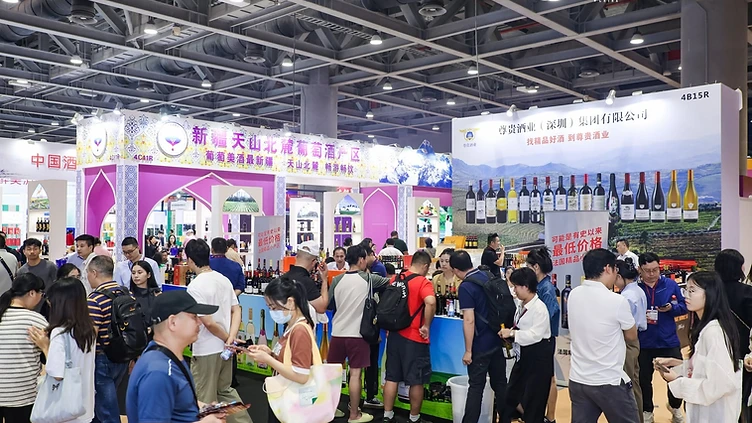
Participating directly in domestic wine expositions remains the primary method to interface with verified buyers at scale. Exhibiting at established mainland platforms, such as INTERWINE, connects international producers directly with verified regional distributors, provincial wine association delegates, and on-premise procurement managers. Rather than cold-calling hundreds of fragmented entities, international estates can utilize targeted Business Matching frameworks to conduct pre-arranged B2B tastings with trade directors actively searching for new import lines.
To maximize exposition ROI, Armenian wineries should execute a disciplined timeline:
- 4 Months Prior: Secure booth placement, submit GACC registration data, and prepare compliant product samples via bonded exhibition logistics channels.
- 2 Months Prior: Establish a localized company presence on WeChat. Professional communication in China happens almost exclusively on WeChat rather than email; ensure sales leads can instantly scan a brand QR code linking to Chinese digital product technical sheets.
- During the Trade Fair: Staff booths with bilingual commercial representatives who can explain vinification techniques in Russian, English, and Mandarin, ensuring precise discussions around FOB rates, freight timelines, and allocation volumes.
- Post-Event Follow-Up: Execute structured follow-ups within 72 hours via WeChat and direct buyer calls, providing digitized CIF pricing quotes, lab analyses, and sampling verification forms.
Translating Terroir: Localizing the Armenian Wine Story
Armenia’s core competitive asset is authenticity, but that message must be translated effectively for Chinese wine professionals and consumers. Importer partners need tools to explain unfamiliar names to local consumers. If a sommelier cannot pronounce or explain the variety, sales velocity slows.
- Phonetic and Cultural Adaptation: Develop standard, appealing Chinese translations for key indigenous grapes (such as Areni Noir, Voskehat, Sireni, and Tozot). Emphasize clear phonetic characters that project elegance and heritage.
- The World's Oldest Heritage: Promote the Areni-1 archaeological legacy. The historical narrative of 6,100 years of winemaking provides a strong hook for high-end dining venues and media outlets looking for cultural depth.
- Volcanic and Amphora Typicity: Educate buyers on traditional clay vessel maturation (karas). With orange, minimal-intervention, and low-sulfite styles gaining popularity across boutique bistros in Tier-1 cities, highlighting clay-pot vinification offers an alternative entry point into trendy beverage scenes.
Sustainable Market Growth: Monitoring Importer Performance
Securing the initial contract is simply the first milestone; sustaining distribution requires continuous partnership management. Commercial contracts should define clear milestones regarding sales velocity, territorial exclusivity, and marketing obligations. Exporters must avoid granting blanket national exclusive distribution rights to an untested partner. Confining exclusivity to specific provinces (e.g., Guangdong alone) or specific product lines preserves your commercial flexibility to appoint other regional specialists elsewhere.
By uniting rigorous GACC administrative preparation, realistic landed margin structures, tailored varietal branding, and dedicated in-market trade engagement, Armenian estates can build lasting, high-volume partnerships with trusted importers across China's premium beverage sector.
Sources
- EU SME Centre: China’s Wine Market(s) Exporter Guide (2023) — https://agora.mfa.gr/infofiles/2023-Report-Chinas-Wine-Markets-EU-SME-Centre%20cn.pdf
- China Alcoholic Drinks Association (CADA) Industry Monitoring Data via IWSC Market Insight Reports — https://iwsc.net/news/wine/iwsc-insight-the-chinese-wine-market
- BestWineImporters Global Trade Analysis: A Wine Exporter’s Guide to Finding Buyers in China — https://www.bestwineimporters.com/blog/resources/a-wine-exporters-guide-to-finding-buyers-in-china-and-working-with-chinese-wine-importers/
Key Takeaways
- —Prioritize regional and specialty wine importers in Tier-1 and Tier-2 hubs rather than seeking blanket national exclusive distribution.
- —Calculate landed costs rigorously; shelf prices in China typically reach 3 to 4 times FOB rates due to compound taxes and distribution margins.
- —Comply strictly with Chinese regulatory frameworks, including GACC enterprise registration and national GB labeling standards, before shipping samples.
- —Leverage Armenia's unique ancient heritage, Areni Noir grape profile, and clay karas vinification as distinct competitive differentiators.
- —Utilize professional B2B trade platforms and WeChat-based commercial communication to cultivate direct, trust-based partner relationships.
Frequently Asked Questions
What regulatory approvals do Armenian wineries need before exporting to China?
Armenian wineries must register their production facility with the General Administration of Customs of China (GACC) through the official Single Window platform. Additionally, bottle labels must comply fully with Chinese National Standards (GB standards) for food labeling, specifying grape varieties, alcohol content, vintage, and regional importer details in simplified Chinese characters.
Why should Armenian estates focus on regional distributors rather than national exclusivity in China?
China is a continent-sized market with stark regional consumption variations. National distributors often prioritize high-volume commercial brands, leaving emerging origins without adequate focus. Appointing specialized regional distributors in prosperous provinces like Guangdong or Shanghai ensures active promotion, local restaurant placement, and flexible portfolio management.
How are retail wine prices in China calculated from FOB Armenia prices?
Landed retail prices in China typically reach 3 to 4 times the producer's FOB export price. This markup accounts for customs tariffs, consumption tax, value-added tax (VAT), international shipping and clearance fees, alongside standard gross margins required by importers (20–35%), local sub-distributors, and retail or on-premise operators.
Which Armenian wine styles have the strongest commercial appeal in China?
Full-bodied dry red wines made from Areni Noir or Sireni appeal to China's dominant red wine market preferences and corporate banquet culture. Concurrently, natural, orange, and karas-fermented (amphora) skin-contact white wines made from Voskehat are seeing strong demand across niche wine bars and modern bistro channels in Tier-1 cities.
How can an Armenian winery prepare for B2B meetings with Chinese wine buyers?
Wineries should establish an active company WeChat account, prepare localized Chinese digital tech sheets with QR codes, define clear FOB and tiered MOQ terms, and provide professional bilingual tasting notes highlighting the 6,100-year Areni heritage and food-pairing versatility.