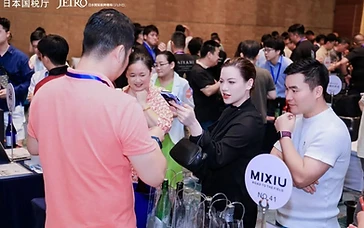
Interwine Guide to Post-show lead qualification
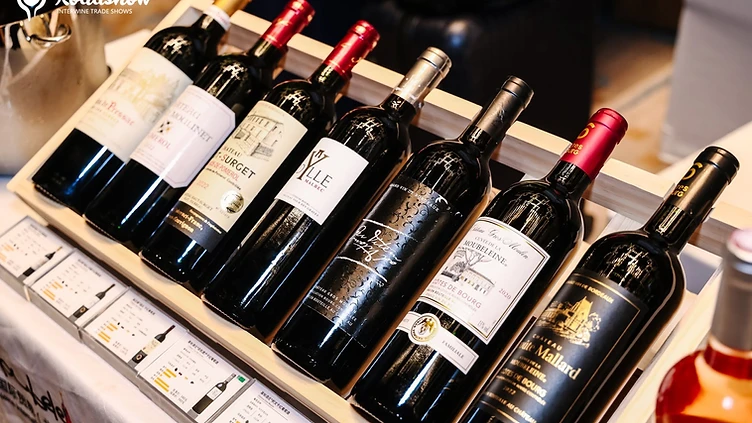
Master the Interwine guide to post-show lead qualification for wineries and spirits brands. Learn how to score importers, verify distribution licenses, prioritize follow-ups within 48 hours, and turn Asian wine exhibition leads into signed distribution contracts.
Exhibiting at major international wine exhibitions delivers a high-density environment of potential partners, but the real return on investment is determined after the expo floor closes. For wineries, distilleries, and brand owners participating in overseas trade events, a stack of business cards or hundreds of digital badge scans does not automatically translate into purchase orders. In fact, research highlighted by Integrate (2026) indicates that only 41% of organizations employ an objective scoring or ranking framework to separate high-priority opportunities from casual inquiries.
Without a structured methodology for post-show lead qualification, winery sales teams risk burning valuable time chasing low-margin retail consumers or unlicensed intermediaries while high-volume regional distributors slip through the cracks. This comprehensive guide outlines the end-to-end framework required to audit, score, verify, and convert wine trade show prospects into durable commercial relationships.
Why Post-Show Lead Qualification Dictates Trade Fair ROI
International wine exhibitions attract diverse profiles: national distributors, regional sub-distributors, boutique independent retailers, food and beverage directors from luxury hotel groups, private sommeliers, customs brokers, and casual tasting enthusiasts. Treating each booth visitor as an identical lead creates commercial friction and stalls follow-up momentum.
According to an event industry analysis by Cvent (2026), prompt and contextual communication is paramount: reaching out within 24 to 48 hours dramatically improves sales conversion, with roughly half of B2B event transactions closing in favor of the vendor who executes relevant initial outreach first. In the international wine trade, international freight schedules, exchange rate swings, and seasonal retail purchasing cycles mean delays immediately reduce buyer engagement. Developing an objective vetting standard ensures commercial teams deploy their sample budgets and executive time exclusively toward licensed, financially stable importers.
Before taking your portfolio to Asia's dynamic market, preparing an export strategy through the Interwine Exhibitor Directory and applying to Become an Exhibitor allows brand owners to align export volume with buyer expectations.
The 5-Point Lead Scoring Matrix for Wine Importers and Distributors
Adopting a standard five-point qualification matrix ensures commercial teams categorize trade leads based on hard commercial data rather than subjective impressions. As outlined in standard B2B event frameworks such as Lensmor (2026), leads should be systematically evaluated against Authority, Need, Portfolio Fit, Timeline, and Commercial Next Steps.
+---------------------------------------------------------------------------------------------------+
|                         5-POINT WINE TRADE QUALIFICATION MATRIX                                   |
+-----------------------+----------------------------------+----------------------------------------+
| Qualification Vector  | High Score Indicators (3-5 Pts)  | Low Score / Disqualifier (0-1 Pts)     |
+-----------------------+----------------------------------+----------------------------------------+
| 1. Purchasing         | Owner, Import Director,          | External sommelier, booth visitor      |
|    Authority          | Portfolio Category Manager       | without buying mandate                 |
+-----------------------+----------------------------------+----------------------------------------+
| 2. Import Licensing & | Active customs registration,     | Unlicensed third party seeking         |
|    Regulatory Status  | direct import/bonded warehouse   | parallel trade or gray-market paths    |
+-----------------------+----------------------------------+----------------------------------------+
| 3. Channel Alignment  | Clear distribution tier          | Mismatch in price-to-quality tier      |
|    & Price Point      | (On-Premise, Off-Premise, E-com) | or demand for unrealistic FOB discounts|
+-----------------------+----------------------------------+----------------------------------------+
| 4. Commercial Volume  | Container/pallet commitments,    | Indefinite trial orders, lack of       |
|    & Timeline         | immediate shelf replenishment    | immediate market deployment plan       |
+-----------------------+----------------------------------+----------------------------------------+
| 5. Post-Show Action   | Scheduled digital tasting,       | Vague request for free samples         |
|    Commitment         | commercial term review date      | without sharing account portfolio      |
+-----------------------+----------------------------------+----------------------------------------+
1. Purchasing Authority and Legal Mandate
Exhibitors must confirm whether the contact is an executive with legal signing authority, an authorized purchasing manager, or a hospitality consultant gathering competitive intelligence. Direct communication with import principals shortens transaction cycles and eliminates intermediary markups.
2. Import Licensing and Customs Compliance
For producers entering Mainland China and Greater Asia, regulatory standing is an absolute qualification hurdle. An engaged buyer must possess a valid import license, customs enterprise registration code, and established relationships with bonded warehousing hubs. Partnering with entities that rely on informal gray-channel freight exposes wineries to customs impoundment and product registration failures.
3. Channel Specialization and Margin Realism
Determine where your wine will actually sit. An ultra-premium estate wine priced at 45 EUR Ex-Cellar has little operational compatibility with an e-commerce mass-market discounter operating on low single-digit margins. Conversely, an entry-level high-volume brand will struggle to gain traction with an exclusive, boutique on-premise importer catering solely to Michelin-starred dining rooms.
4. Volume Capacity and Shipment Timeline
Evaluate the buyer's planned purchasing schedule: Are they securing inventory for immediate Chinese New Year or Mid-Autumn Festival programs, or are they speculative market entrants looking for occasional mixed-pallet consolidation? High-priority prospects have defined replenishment intervals and established ocean-freight logistics.
5. Documented Next Steps vs. Sample Gathering
Distinguish buyers with genuine interest from casual visitors seeking complimentary bottles. A qualified buyer agrees to an explicit next action: reviewing a formal CIF price list, conducting a structured video tasting with company executives, or organizing private tasting panels for their local sales team.
Operational Lead Triage: Tiering Event Leads for Maximum Conversion
Within 24 hours of dismantling the exhibition stand, lead records should be imported into your CRM and segmented into three functional operational tiers:
Tier 1: Commercial Priority (EQLs / Sales-Qualified Leads)
- Profile: Fully licensed national or regional distributors, major retail buyers, or established hotel procurement directors with explicit purchasing mandates.
- Immediate Action (Day 1–2): Deliver a bespoke follow-up communication referencing specific booth dialogues, tasting feedback, agreed pricing tiers, and direct digital invitations for executive contract or logistical scoping calls.
- Resource Allocation: Dispatch temperature-controlled commercial sample cases immediately upon verification of customs clearance channels.
Tier 2: Qualified Exploratory Leads (Marketing-Qualified Leads)
- Profile: Boutique distributors expanding their geographical coverage, established regional wine shops, or corporate clients whose volume needs or timelines require further development.
- Immediate Action (Day 3–5): Enroll in a focused educational nurture track. Provide market data, vintage reports, accolades, and regional background while outlining formal Minimum Order Quantities (MOQs) and freight terms.
- Resource Allocation: Digital spec sheets, high-resolution bottle photography, and invitations to join upcoming private buyer tastings or regional roadshows.
Tier 3: Passive Industry Observers and Non-Buyers
- Profile: General consumers, service vendors, non-licensed trading intermediaries, and individuals who visited the booth strictly for casual tastings.
- Immediate Action (Day 7+): Migrate contact details to a general consumer or trade-marketing newsletter pool, preserving internal sales bandwidth for active negotiations.
Exhibitors can streamline this initial identification during trade fairs by participating in pre-scheduled Business Matching sessions and reviewing verified buyer portfolios in the Interwine Market Insights database.
Overcoming Regulatory and Cultural Verification Challenges in Asian Markets
Qualifying international wine buyers requires navigating distinct commercial, regulatory, and linguistic landscapes. European and New World producers encountering Asian distribution partners for the first time must adjust their validation checks accordingly.
Cross-Checking Company Registration and Customs Standing
In China, verify the enterprise's unified social credit code via official commercial registries. Confirm that the importing entity is officially certified to clear imported beverages and has an established track record with General Administration of Customs of the People's Republic of China (GACC) documentation. Wineries must also maintain their own compliant exporter registration under GACC Decree 248/249, ensuring export paperwork aligns with importer filings.
Multi-Channel Communication: Integrating WeChat into B2B Workflows
While Western markets rely primarily on corporate email sequences, B2B commercial negotiations across Asia unfold rapidly over WeChat and direct mobile communication. A digital lead capture process that collects WeChat IDs alongside official corporate email addresses enables immediate, responsive follow-up. For international commercial reps, managing WeChat messaging within an enterprise customer record prevents valuable conversation history from becoming siloed.
Navigating Distribution Scope: National vs. Provincial Partners
China's market is commercially vast. Wineries frequently err by granting exclusive national distribution rights to regional distributors whose real logistics and sales network only covers a single province or metropolitan area (such as Guangdong, Zhejiang, or Sichuan). During post-show qualification, verify the physical presence of local sales teams, temperature-controlled warehousing infrastructure, and regional sub-distribution partners before finalizing market exclusivity clauses.
To discover upcoming industry exhibition dates, masterclasses, and regional trade missions, review the full calendar of Interwine Events.
Post-Show Multi-Touch Conversion Cadence for Commercial Wineries
Executing a structured multi-touch follow-up program prevents qualified prospects from disengaging once routine office responsibilities resume. A disciplined sequence balances automated alerts with personalized, relationship-building touchpoints:
+---------------------------------------------------------------------------------------------------+
|                         RECOMMENDED 30-DAY CONVERSION CADENCE                                     |
+-------------+----------------------+--------------------------------------------------------------+
| Timeframe   | Channel              | Strategic Objective                                          |
+-------------+----------------------+--------------------------------------------------------------+
| Days 1–2    | WeChat / Phone Call  | Immediate gratitude note, reconfirming booth dialogue and    |
|             | & Direct Email       | agreed follow-up materials (CIF/FOB price list, tech sheets) |
+-------------+----------------------+--------------------------------------------------------------+
| Days 4–6    | High-Priority Email  | Dispatch technical spec sheets, analytical laboratory certs, |
|             | & Messaging Note     | and freight/incoterm logistics models                        |
+-------------+----------------------+--------------------------------------------------------------+
| Day 10      | Video Call / Direct  | Conduct strategic portfolio review, resolve label/packaging  |
|             | Commercial Review    | compliance inquiries, and agree on sample delivery schedule  |
+-------------+----------------------+--------------------------------------------------------------+
| Day 18      | Sample Tracking &    | Confirm receipt of dispatched samples; provide guided        |
|             | Guided Tasting       | tasting notes and suggested retail positioning benchmarks    |
+-------------+----------------------+--------------------------------------------------------------+
| Day 30      | Executive Commercial | Finalize initial container/pallet allocations, formalize     |
|             | Negotiation          | payment terms, and sign distribution contracts               |
+-------------+----------------------+--------------------------------------------------------------+
Following this cadence prevents long communication gaps, preserves interest generated during the trade show, and systematically advances negotiations toward finalized distribution contracts.
Conclusion: Turning Trade Fair Presence into Commercial Distribution
A successful trade exhibition is never measured by badge count alone; it is measured by long-term container shipments and sustained brand equity in target import markets. By implementing an uncompromising qualification protocol, vetting regulatory compliance, and executing a disciplined multi-channel conversion cadence, wineries can consistently transform trade show investments into profitable distribution networks.
Are you ready to showcase your portfolio directly to pre-screened importers, regional distributors, and key commercial decision-makers across China and Greater Asia? Apply today to Become an Exhibitor with Interwine and accelerate your global wine and spirits export growth.
Sources
- Integrate – How to Recognise an Event Qualified Lead (2026): https://www.integrate.com/resources/blog/how-to-recognise-an-event-qualified-lead/
- Cvent – How to Effectively Collect Leads at Trade Shows in 2026 (2026): https://www.cvent.com/en/blog/events/how-effectively-collect-leads-trade-shows
- Lensmor – Trade Show Lead Qualification: 5-Point Scoring Template (2026): https://www.lensmor.com/blog/trade-show-lead-qualification-criteria
- General Administration of Customs of the People's Republic of China (GACC) – Enterprise & Food Importer Regulations (Decrees 248/249): http://english.customs.gov.cn/
Key Takeaways
- —Only 41% of event exhibitors use an objective lead scoring model, making post-show qualification the single highest-leverage step for improving trade show ROI.
- —Immediate outreach within 24 to 48 hours is critical, as B2B buyer response rates and conversion momentum drop significantly after the first week.
- —A standardized 5-point matrix evaluating purchasing authority, import licensing, channel fit, timeline, and concrete next steps eliminates sample-hunters and non-commercial leads.
- —Vetting Chinese importers requires validating commercial enterprise credit codes, customs GACC compliance, and bonded cold-chain logistics capabilities.
- —Multi-channel follow-up combining corporate email with WeChat and direct messaging matches local commercial negotiation practices across Asian markets.
Frequently Asked Questions
What is the optimal timeframe for post-show wine lead follow-up?
High-priority, sales-ready prospects (Tier 1) should receive tailored follow-up within 24 to 48 hours after booth interactions. Secondary leads should be engaged within 3 to 5 business days, and the entire lead list must be processed and segmented within 7 business days before communication momentum fades.
How do wineries verify if a Chinese distributor has a legitimate import license?
Exhibitors should request the company's official unified social credit code, verify its commercial registration on China's National Enterprise Credit Information Publicity System, and confirm active food and beverage import customs clearance standing with the General Administration of Customs of China (GACC).
Should wineries communicate with Asian wine buyers primarily via email or messaging apps?
An effective follow-up cadence uses both channels in tandem. Official documentation, contracts, price lists, and laboratory analysis certificates should be delivered via corporate email, while real-time relationship management, meeting logistics, and quick commercial check-ins are best handled via WeChat or regional instant messaging.
How can wineries avoid sending expensive sample bottles to non-qualified buyers?
Require prospective buyers to complete a basic distributor profile form or commercial questionnaire detailing current portfolio brands, geographic distribution coverage, preferred sales channels (e.g., on-premise vs. retail), and target annual volume before dispatching international temperature-controlled sample shipments.
What is an Event Qualified Lead (EQL) in the wine industry?
An Event Qualified Lead (EQL) is a booth visitor with direct purchasing authority, verified import and distribution licensing, an active requirement for your specific wine category and price tier, and an agreed-upon next commercial step established during the exhibition.