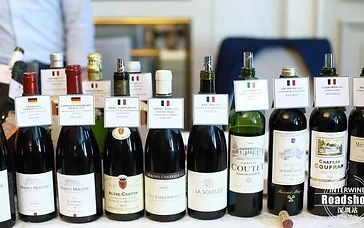
How Wine Trade Shows Help Brands Find Distributors

Discover how wine trade shows help brands find distributors, evaluate importer economics, and compress months of route-to-market prospecting into qualified B2B meetings.
Wine trade shows help brands find distributors by condensing multi-month international business development cycles into structured, face-to-face commercial evaluations. Rather than relying on cold outreach or unverified digital listings, international expos allow winery export directors to showcase sensory product quality, demonstrate commercial viability, negotiate price structures, and screen regional distribution networks within days.
According to the Observatory of Economic Complexity (OEC), global trade of wine (HS 2204) reached approximately $38.1 billion in 2024, operating within an increasingly competitive landscape where traditional market dynamics and consumption patterns are recalibrating. For wineries looking to scale beyond direct-to-consumer (DTC) channels and regional sales, selecting the right trade fair and executing a targeted B2B exhibition strategy remains the most cost-effective path to secure reliable import partners.
The Commercial Economics of Route-to-Market Expansion
Entering a new export territory requires navigating complex regulatory barriers, supply-chain logistics, and channel margins. In target markets such as Greater China, Southeast Asia, or North America, an overseas brand cannot legally sell at scale without an established licensed partner. Finding an importer or distributor who genuinely invests in your portfolio—rather than burying it under domestic brand giants—is the core export challenge.
Traditional prospecting methods frequently stumble across three hurdles:
- High CAC (Customer Acquisition Cost): Cold-calling and speculative market visits require substantial travel expenditure, sampling costs, and long sales conversion timelines.
- Information Asymmetry: Evaluating whether a distributor has real warehouse infrastructure, cold-chain integrity, off-trade supermarket listings, or high-end On-Premise access is difficult from a desk.
- Sensory Verification Gaps: Wine is an experiential commodity. A distributor rarely commits container allocations based strictly on spec sheets and awards without tasting the wine in person with the winery principal.
International expos solve these friction points by bringing hundreds of pre-qualified regional buyers, sub-distributors, and hospitality procurement leads into a single venue.
Why Physical Trade Shows Outperform Cold Outreach
Trade shows accelerate distributor acquisition through distinct commercial mechanisms that digital channels cannot replicate.
1. Instant Palate Calibration and Brand Storytelling
Professional wine buyers evaluate dozens of labels daily. At an exhibition booth, an export director controls the tasting narrative: flight sequencing, vintage variation, terroir origin, food-pairing versatility, and cellar potential. Live interaction enables brands to observe buyer reactions in real time, pivot to alternative price tiers within their portfolio, and identify regional flavor preferences immediately.
2. Pre-Screened Buyer Pools and Targeted Sourcing
Top-tier trade fairs enforce trade-only admission or run structured business matching initiatives. Instead of fielding inquiries from casual consumers, wineries meet verified procurement managers, national beverage distributors, and regional wholesalers. By reviewing an Exhibitor Directory and attendee schedules, brands can schedule high-value discovery sessions weeks before opening day.
3. Real-Time Competitive Benchmarking
Exhibiting offers brands direct insight into target market pricing, packaging designs, closure preferences, and varietal positioning. Observing which competing regions attract high footfall and analyzing their wholesale price tiers clarifies where your brand fits into the market matrix.
4. Efficient Pipeline Consolidation
As reported by industry analyses in SevenFifty Daily (2023), leading export operations use major international expos both to meet fresh prospects and to conduct quarterly business reviews with existing regional partners. Consolidating dozens of partner meetings across an exhibition calendar drastically reduces annual corporate travel budgets.
Understanding Distributor Economics and Margin Realities
To convert a trade show tasting into a signed commercial distribution agreement, export managers must present numbers that align with distributor margin requirements. An importer is not simply buying bottled fermented grape juice; they are taking on currency risk, inventory holding costs, shipping clearance, compliance labeling, and marketing outlays.
Typical Import Margin Architecture
- Ex-Cellar / FOB (Free on Board): The baseline price set by the winery.
- Landed Cost (CIF): Incorporates international ocean freight, reefer surcharges, marine insurance, and port handling.
- Taxes and Import Duties: Varies sharply by destination (customs tariffs, excise taxes, value-added taxes).
- Distributor Gross Margin: As documented in historical industry benchmarks from Wines & Vines, distributors typically require a markup between 30% and 33% (or higher, depending on retail vs. restaurant channel focus) to cover sales commission, local transport, warehousing, and trade promotions.
- Retailer / On-Premise Markup: Retail channels typically add 25%–35%, while restaurant wine lists apply markups ranging from 150% to 300%.
If your FOB price leaves inadequate margin for the intermediate tiers, distributors will walk away—regardless of vintage quality. Wineries that succeed at trade shows arrive with detailed, currency-adjusted wholesale pricing matrices and clearly designated brand marketing support funds (e.g., 5%–10% depletion allowance for tastings, staff incentives, and masterclasses).
A 5-Phase Playbook to Maximize Trade Show ROI
Trade show ROI is rarely built during the public hours on the expo floor; it is won in pre-show preparation and rigorous post-event deal closing.
Phase 1: 8 to 12 Weeks Out – Pre-Fair Targeting
- Review Attendee Data: Tap into organizer digital matchmaking portals and Business Matching services to identify registered importers handling your price category.
- Warm Outreach: Contact high-priority accounts with personalized email invitations, offering dedicated 20-minute tasting slots at your stand.
- Sample Logistics: Arrange international sample shipping through bonded freight forwarders well in advance to prevent customs retention delays.
Phase 2: Logistics and Stand Preparation
Ensure travel logistics, including an official Invitation Letter and Visa Support, are finalized early. Design booth signage that communicates your primary value proposition at a glance: region of origin, annual production volume, price bracket, and existing international ratings. Prepare printed, clean commercial spec sheets containing technical parameters, case packing configurations, pallet specifications, and FOB price indications.
Phase 3: Booth Execution and Lead Qualification
Avoid idle waiting. Actively qualify every visitor who approaches the counter before pouring high-value reserve bottles:
- "What channels does your distribution company primarily service (e-commerce, private clients, corporate, off-premise, on-premise)?"
- "Which regions or price points are missing in your current wine list?"
- "What volume do you typically import per shipment—pallet configurations or full container loads (FCL)?"
Take rigorous notes on lead capture cards or CRM scanners detailing specific wines favored, targeted shipment dates, and requested support materials.
Phase 4: Immediate Post-Event Follow-Through
Distributors meet dozens of wineries across an exhibition weekend. Speed is your competitive advantage:
- Tier 1 Leads (Immediate Opportunity): Follow up within 48 to 72 hours with detailed CIF/FOB pricing, digital sales brochures, and formal meeting recaps.
- Tier 2 Leads (Secondary Pipeline): Dispatch generic price lists, company credentials, and express appreciation by the end of the week.
- Sample Requests: Coordinate verified commercial samples immediately, verifying the buyer's excise tax status and commercial registration before dispatch.
Phase 5: Contract Structuring and Partnership Due Diligence
Before granting territorial exclusivity, examine the distributor's financial stability, licensing credentials, and sales team capacity. Start with clear, performance-based milestones: minimum annual case volume commitments, co-op marketing schedules, and defined payment terms (such as Letters of Credit or initial cash-against-documents) to protect cash flow.
Position Your Winery for Distribution Success
Trade shows represent the most direct and reliable bridge between ambitious wine brands and international distribution networks. When approached as a disciplined commercial operation—combining transparent pricing, targeted buyer outreach, and relentless follow-up—exhibiting unlocks sustainable export revenue.
If you are ready to expand your distribution pipeline across dynamic, high-growth international consumer markets, explore upcoming opportunities and Become an Exhibitor to secure strategic face-to-face engagements with vetted commercial buyers.
Sources
- Observatory of Economic Complexity (OEC), "Wine (HS: 2204) Product Trade, Exporters and Importers" (2024–2026 data): https://oec.world/en/profile/hs/wine
- SevenFifty Daily, "A Winery Guide to Trade Show Success" (2023): https://daily.sevenfifty.com/wine-trade-show-guide-wineries/
- Wines & Vines Analytics, "Finding a Distributor: What to Expect When You Expand Beyond Direct Sales": https://winebusinessanalytics.com/sections/printout_article.cfm?article=feature&content=47883
Key Takeaways
- —Trade shows condense months of export market research and cold outreach into efficient, face-to-face buyer discovery.
- —Global wine trade exceeded $38 billion in 2024 according to OEC data, demanding targeted route-to-market strategies amid shifting consumption patterns.
- —Distributors typically calculate markups of 30% to 33% above landed cost; wineries must design viable FOB tiers that preserve partner profitability.
- —Live tasting allows export directors to present terroir, vintage nuance, and packaging directly, eliminating buyer hesitation.
- —Pre-fair scheduling via business matching portals and 72-hour follow-up procedures dictate over 80% of trade show ROI.
Frequently Asked Questions
How do wine trade shows help brands find distributors more effectively than digital outreach?
Wine trade shows bring pre-vetted, licensed importers and distributors into one location, enabling real-time sensory evaluation of the wines alongside immediate commercial discussions regarding FOB pricing, channel strategy, and volume capacity.
What margins do international wine distributors typically expect?
Distributors generally operate on gross margins between 30% and 35% above their landed cost (CIF plus import tariffs and logistics), while on-premise venues and off-premise retailers layer additional margins of 30% to 300% depending on the channel.
How should a winery qualify prospective distributors during an expo?
Ask direct commercial questions regarding their primary sales channels (on-premise vs. retail vs. e-commerce), current portfolio gaps, cold-chain warehousing capabilities, geographical reach, and standard minimum order commitments.
What materials should an export manager bring to a wine trade fair?
Bring technical spec sheets, full export price lists (FOB and indicative CIF), case and pallet packaging dimensions, high-resolution bottle photography, and documented brand support plans.
When is the best time to follow up with leads acquired at a wine trade show?
High-priority commercial leads should be contacted within 48 to 72 hours of the trade show closing, providing requested pricing schedules and digital company profiles while impressions remain fresh.